
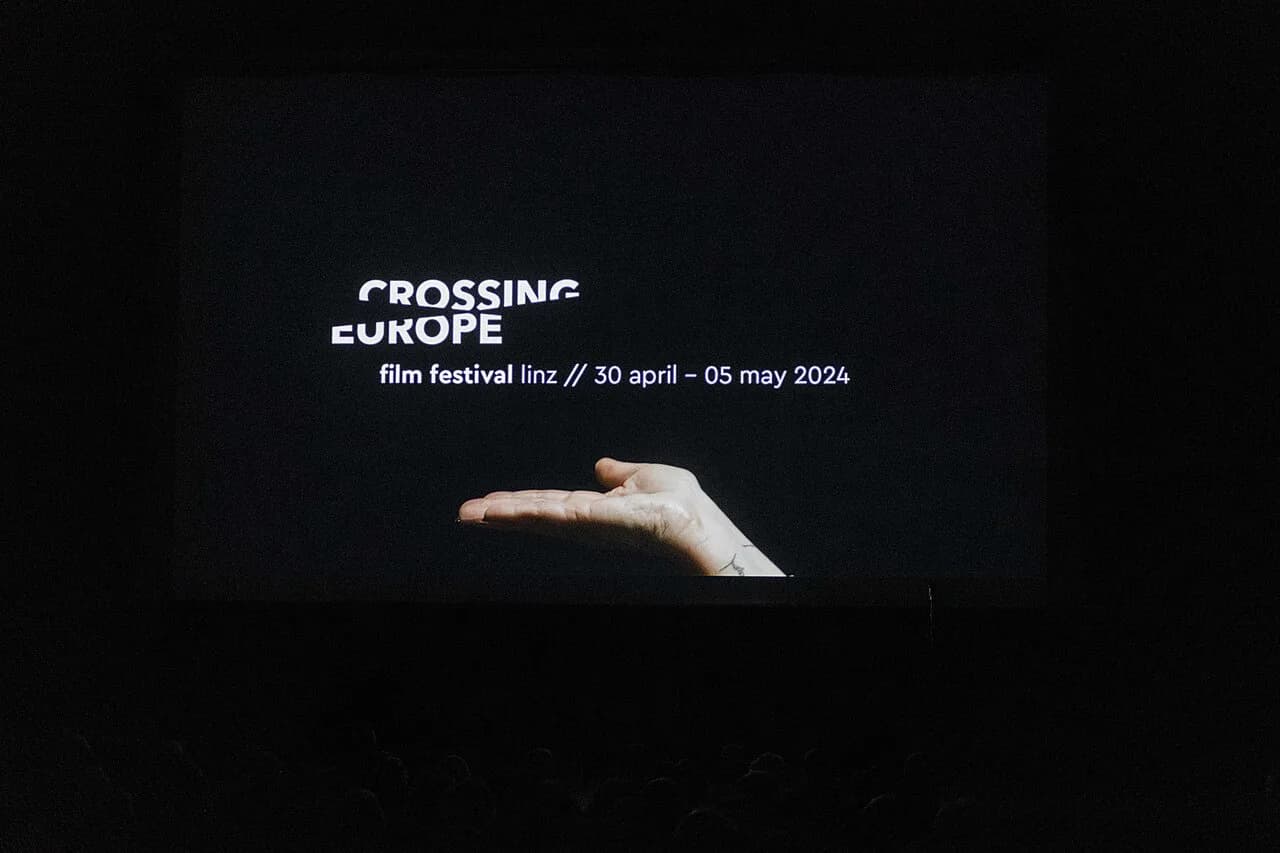
Crossing Europe for First-Timers: Your Guide to Navigating the Festival
Crossing Europe is an annual film festival in Linz, Austria, that celebrates contemporary European cinema. It brings together filmmakers, industry professionals, and audiences for a week of screenings, discussions, and events across the city. For first-timers, the festival offers a unique chance to discover emerging talent and diverse stories from across the continent.
Before you start planning your trip, it helps to understand the festival's structure, venues, and ticketing. If you haven't already, explore the Crossing Europe Film Festival Lineup & Guide for an overview of the program and key details.
How the Festival Works: Sections, Screenings, and Awards
Crossing Europe features a curated program of feature films, documentaries, and short films, organized into thematic sections. These sections often carry names like 'Competition' or 'European Panorama,' and awards are presented to outstanding works. The festival typically opens with a gala screening and closes with an awards ceremony.
Screenings take place at multiple venues across Linz, including cinemas, cultural centers, and sometimes unconventional spaces. Each film usually has a set schedule with one or two screenings, so it's wise to check the program and plan which screenings you don't want to miss.
Many screenings are followed by Q&A sessions with directors or cast members, providing an opportunity for deeper engagement. These sessions are often free and open to the public, but seats are limited, so arrive early.
First-Timer Mistakes: What to Avoid
One common mistake is trying to see too many films without allowing time for travel between venues or for meals. Linz's venues are spread out, and you may need to use public transport or walk. Also, forgetting to book tickets in advance for popular screenings can lead to disappointment, as many sell out quickly.
Another mistake is neglecting to research the city and its transport system. Linz has an efficient tram and bus network, but knowing the routes and stops will save you time. Also, don't overpack; you'll be walking a lot, and comfortable shoes are essential.
If you're new to Europe, you might worry about language barriers. In Linz, English is widely spoken, especially among younger people and in tourist areas. Learning a few German phrases like 'Danke' and 'Bitte' goes a long way.
Planning Your Festival Day: Tickets, Scheduling, and Venues
Start by reviewing the official program and the Crossing Europe Tickets 2026 page to understand ticket options. Some festivals offer day passes or individual tickets, and you may need to purchase in advance online.
Once you have tickets, plan your schedule with buffer time between screenings. Check venue locations on a map and note travel times. It's also a good idea to have a backup plan if a screening is sold out.
Many festivals offer a mobile app or a printed program guide with schedules and venue maps. Use these resources to navigate your day efficiently.
Where to Stay and Getting Around Linz
Accommodation options range from budget hostels to luxury hotels, with many choices near the city center or along tram lines. For convenience, consider staying within walking distance of the main festival venues. Our guide on where to stay for crossing europe offers specific recommendations.
Linz has an excellent public transport network, including trams, buses, and night lines. You can purchase single tickets or day passes from vending machines at stops or via mobile apps. Taxis and ride-sharing services are also available, but public transport is more economical and often faster.
If you're arriving from the airport or another city, check the details on getting to crossing europe to plan your arrival.
Beyond the Screen: Events, Music, and Networking
Crossing Europe is more than just film screenings. The festival often hosts parties, live music performances, and industry networking events. These are great opportunities to meet other attendees and filmmakers. Some events are free or included with your festival pass.
If you're interested in film culture, you might also explore Linz's other cultural highlights, such as the Ars Electronica Center, a museum dedicated to technology and media art. The city's vibrant art scene complements the festival experience.
Practical Tips for International Visitors
When traveling to Europe, remember that you may need a power adapter for your electronics, and consider packing an eSIM for easy data access. Also, be mindful of pickpocketing in crowded areas, though Linz is generally safe.
Europe is a safe place with very little violent crime, but petty theft can occur, so keep your belongings secure.
Expect a lot of walking, and don't be afraid to get off the tourist trail. Linz offers a more authentic Austrian experience compared to Vienna or Salzburg.
Final Tips
Your first Crossing Europe can be an unforgettable experience if you plan ahead. Start by reviewing the festival program, book your tickets early, and familiarize yourself with Linz's transport.
Don't forget to explore the city beyond the festival – try local cuisine, visit the Ars Electronica Center, and enjoy the Danube river. For more ideas, check our guide to Linz festivals.
Frequently Asked Questions
What is Crossing Europe Film Festival?
Crossing Europe is an annual film festival in Linz, Austria, focusing on contemporary European cinema. It showcases feature films, documentaries, and short films, along with Q&A sessions and industry events.
How do film screenings work at Crossing Europe?
Screenings are held at various venues across Linz, each with a scheduled time. Tickets are usually required, and some films may have multiple screenings. It's advisable to book tickets in advance for popular titles.
What should first-timers know before attending Crossing Europe?
Plan your schedule with enough time between screenings, book accommodation and tickets early, and familiarize yourself with Linz's public transport. Also, bring comfortable shoes and be prepared for walking.
How to plan a day at the festival in Linz?
Check the program to select screenings and events, purchase tickets, and map out venues. Allow time for travel and meals, and consider attending Q&A sessions for a deeper experience.