

The Complete Guide to Winter Festivals in Germany
Last updated July 2026. Winter festivals in Germany fall into two main blocks, fixed Christmas markets from late November through December 24 and a movable Carnival season that shifts into February or March with Easter. This guide keeps rule-based dates separate from events that are only announced closer to the time, so plans stay realistic.
Winter Festivals in Germany: Two Movable Seasons
German winter runs on two separate calendars. Christmas markets follow a fixed rule tied to the first Advent Sunday, so their opening and closing dates are set well in advance. Carnival works differently. Ash Wednesday moves every year with Easter, so Weiberfastnacht, Rosenmontag, and the rest of the carnival calendar drift across late winter. Between the two, from late December into January, most market stalls have closed and carnival season hasn't started, making it the quietest stretch of the year for festival travel.
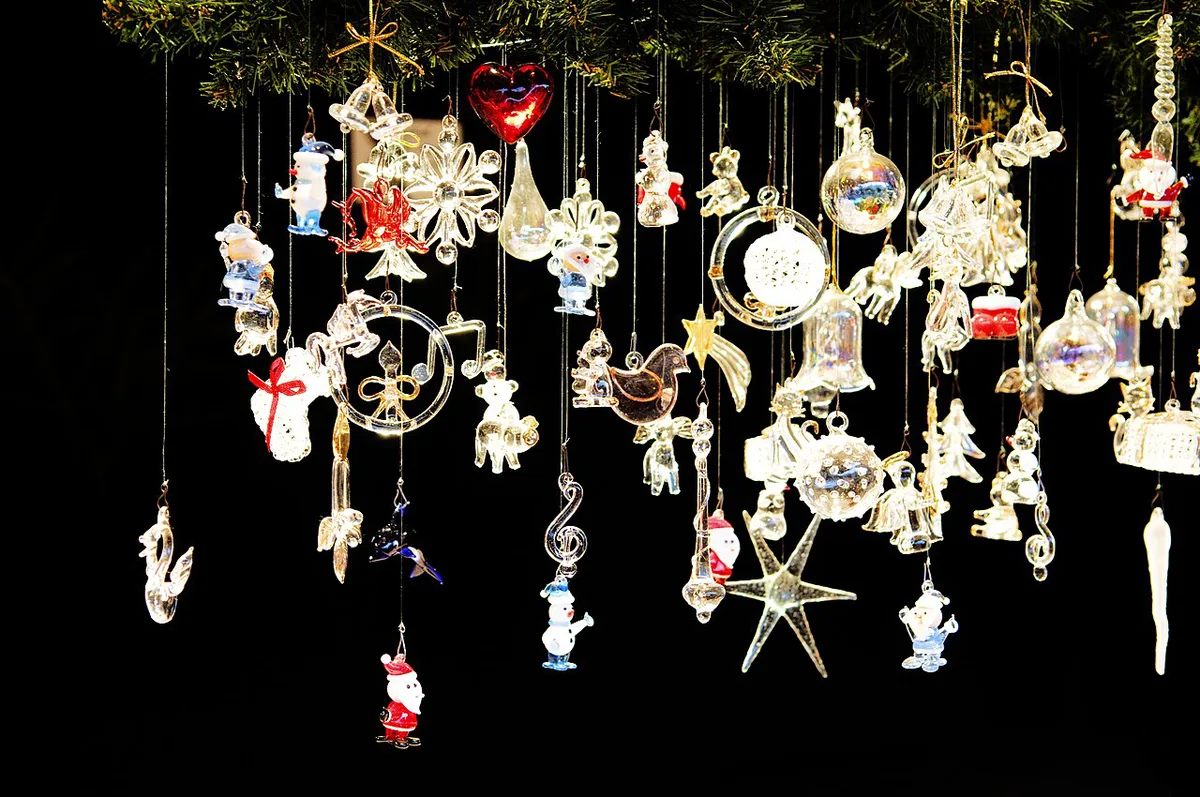
Christmas Markets: Nuremberg, Dresden, Cologne, and More
Six markets anchor most winter itineraries. Their dates all trace back to the first Advent Sunday, which falls on November 29 in 2026 under the standard counting rule. Picking between them comes down to what matters most: strict tradition, historic pedigree, or sheer variety. For a full city-by-city breakdown of stall counts and layouts, see the Germany Christmas markets guide.
When visiting Advent markets across November and December, expect daytime highs around 3°C (37°F) with lows dropping below -2°C (28°F) in eastern cities, so waterproof boots and layering are essential.
- Nuremberg Christkindlesmarkt: opens the Friday before the first Advent Sunday, rule-derived around November 27, 2026, runs to December 24. Pick it for the most traditional format, opened each year by the Christkind.
- Dresden Striezelmarkt: opens the Wednesday before the first Advent Sunday, rule-derived around November 25, 2026, runs to December 24. Pick it for stollen traditions and one of Germany's oldest markets.
- Cologne Christmas Markets: open from the Monday before the first Advent Sunday, rule-derived around November 23, 2026, run to December 23. Pick Cologne for variety, with several distinct markets across the old town.
- Munich Christkindlmarkt: opens in the week before the first Advent Sunday (around November 23-29, 2026) and runs to December 24 on Marienplatz.
- Rothenburg Reiterlesmarkt: opens in that same pre-Advent week and runs to December 23, inside the town's medieval walls.
- Stuttgart Christmas Market: opens the Wednesday before the first Advent Sunday, rule-derived around November 25, 2026, runs to December 23.

Beyond the Markets: Tollwood, Winterdom, and Berlin in February
Advent and Carnival are not the only reasons to visit in winter. Munich's Tollwood Winter Festival runs on a fixed rule from late November to December 31 on the Theresienwiese, built around organic food stalls and circus performances, a more alternative atmosphere than the traditional markets nearby. Hamburg's Hamburger DOM includes a Winterdom edition, one of three roughly 30-day fairground runs the DOM holds each year, with this one landing across November and December. Culture-focused travelers visiting in February have another option. The Berlin International Film Festival runs for 11 days each year. Exact dates are published by the festival only about a year ahead, so treat any specific date as unconfirmed until it is announced.
Carnival: Germany's Fifth Season
Carnival is often called Germany's fifth season, and it means different things depending on the region. In the Rhineland, Cologne Carnival runs from Weiberfastnacht, the Thursday before Ash Wednesday, through Karnevalsdienstag, with the Rosenmontag parade as the centerpiece. The carnival session itself officially opens every year on November 11, months before the street parties begin. Dusseldorf Karneval follows the same movable window, from Altweiber to Karnevalsdienstag, with its own Rosenmontagszug parade on Shrove Monday. Mainz keeps the same structure. Mainzer Fastnacht runs its street carnival from the Thursday before Ash Wednesday to Shrove Tuesday, again built around a Rosenmontagszug parade. Southwestern Germany does it differently. Rottweiler Fasnet, a Swabian-Alemannic tradition, opens its season every year on January 6, well before the Rhineland's parties start. Its central event, the Narrensprung procession, runs on Rosenmontag and Fasnetsdienstag mornings, with carved wooden masks in place of the Rhineland's costumed floats. Cologne's festival calendar does not end when the market stalls come down either. The Cologne Christmas markets guide covers the Advent season in full. The same streets fill again for Carnival roughly two months later.
New Year's Ski Jumping and the Quiet Week Between
Between Christmas and Carnival sits Zwischen den Jahren, the quiet stretch between Christmas and New Year's Eve, or Silvester. One fixed event breaks up the lull: the Four Hills Tournament. Its German legs are fixed every year, with ski jumping in Oberstdorf on December 29-30 and in Garmisch-Partenkirchen on January 1, before the tournament's Austrian legs follow in early January.
German Winter Food and Drink
Winter festival food centers on a short list of staples that repeat across almost every market, and prices for a mug of Glühwein stay broadly similar from one stall to the next. Most drink stalls charge a refundable deposit on the mug itself, on top of the drink price. Return the mug at the same stall for the deposit back, or keep it as a souvenir and skip the refund. Card payment is increasingly accepted at larger stalls, but smaller stands still expect cash, so carry some regardless of which markets are on the itinerary.
- Glühwein: mulled wine, sold hot in a branded mug. Ask for it mit Schuss for a shot of rum or amaretto stirred in.
- Feuerzangenbowle: a rum-soaked sugar cone set alight over mulled wine, usually made and shared in a group.
- Stollen: a dense, fruit-studded loaf dusted in powdered sugar, most associated with Dresden's market.
- Lebkuchen: spiced gingerbread, often sold as heart-shaped ornaments strung with ribbon.
- Handbrot: a filled bread pocket, a Dresden market specialty alongside stollen.
Trains, Weather, and What to Pack
Deutsche Bahn (DB) connects nearly every city in this guide, and winter is peak travel season on routes between market towns. Weekend trains between Advent hotspots like Nuremberg, Dresden, and Cologne sell out, so book Sparpreis fares as soon as travel dates are set rather than waiting for a lower price that may not come. Winter timetables run close to normal frequency on major intercity routes, but replacement buses are more common during snow or ice, so build in extra transfer time. Weather is rarely dramatic, but it is consistently damp. Expect rain and slush more often than snow in the north and west. Alpine areas see more reliable snowfall. Daytime highs during the Advent markets typically sit around 3°C (37°F), with overnight lows dropping below -2°C (28°F) in eastern cities like Dresden. January is colder still; Alpine towns hosting the Four Hills Tournament can see readings near -8°C (18°F). By the time Carnival arrives in the Rhineland, daytime highs have usually climbed back to around 6°C (43°F). Pack waterproof, insulated boots rather than relying on an umbrella. Layering matters more than a single heavy coat, since market crowds and heated train carriages swing the effective temperature throughout the day.
Season Comparison: When to Go
The table below lines up Germany's winter festival windows against weather and typical accommodation cost, so crowds and price can be weighed against what's actually open.
| Period | Weather (avg.) | Festival Focus | Typical Hotel Cost |
|---|---|---|---|
| Late Nov - Dec 24 (Advent) | Highs ~3°C (37°F), lows near -2°C (28°F) | Christmas markets citywide: Nuremberg, Dresden, Cologne, Munich, Rothenburg, Stuttgart | Peak rates, often €150+ a night in market-city centers |
| Dec 25 - Jan 6 (Zwischen den Jahren) | Cold, occasional snow | Most markets closed; Tollwood Winter Festival runs through Dec 31; Four Hills legs in Oberstdorf (Dec 29-30) and Garmisch-Partenkirchen (Jan 1) | Prices ease after Christmas, then spike again around Silvester |
| January - early Feb (quiet stretch) | Coldest weeks, Alpine lows near -8°C (18°F) | Quietest weeks of the calendar; no listed festival is active until Carnival begins | Lowest rates of winter, often ~€90 a night in the same cities |
| Feb - March (Carnival, movable) | Highs recover to ~6°C (43°F) | Cologne Carnival, Dusseldorf Karneval, Mainzer Fastnacht, Rottweiler Fasnet, Berlin International Film Festival | Rates spike again in carnival cities and in Berlin during the festival |
Budgeting for a German Winter Trip
Most Christmas markets and Carnival street events are free to enter; food, drink, and souvenirs are the main cost. The clearest seasonal swing shows up in accommodation. As a general planning benchmark, a hotel room that runs around ~€90 a night in the quiet January weeks can climb past €150 a night in the same city during peak Advent weekends or Cologne's Carnival peak. A souvenir ornament or a market meal is a minor cost next to that hotel swing, so accommodation and travel dates are the two levers that move a winter trip's total budget the most. Card payment is now common at larger stalls and restaurants, but many small market stands remain cash-only, so keep small euro notes on hand. Tollwood Winter Festival and similar ticketed events are the exception to the free-entry rule; check the organizer's own site for current admission, since ticketed events price separately from the open-air markets.
Mistakes to Avoid
A few planning mistakes account for most of the frustration travelers report during German winter.
January rates fall to ~€90 a night compared to €150+ during peak season, representing the clearest accommodation cost swing. Skipping these quiet weeks leaves that budget advantage untapped for winter travel planning.
- Arriving after December 24 and expecting markets to be open: nearly every market on this list closes by December 23 or 24 under its own rule.
- Booking Cologne accommodation late for Carnival: rooms near the parade routes sell out months before the movable dates are even confirmed.
- Visiting only on Saturday nights: every market and carnival event is more crowded on weekends, so weekday mornings are the quieter option.
- Skipping the quiet January weeks entirely: it is the trade-off window for lower rates and thinner crowds, even with no major festival on this list running.
For trip-planning details, see German National Tourist Board and Deutscher Wetterdienst (national weather service).
More Winter
Verified event facts first, followed by the travel decision layer.
Explore guides in other cities
For the wider planning view, compare dates and recurrence rules in Germany’s festival calendar.
Frequently Asked Questions
Which winter festivals in Germany work best for kids?
Christmas markets are generally the easiest starting point, especially Nuremberg Christkindlesmarkt and Munich Christkindlmarkt, both running through December 24 with food stalls and rides alongside the shopping. Carnival street events like Cologne Carnival's Rosenmontag parade can also work well for kids, though the crowds and confetti are heavier than at a Christmas market.
Is it worth visiting Germany in January?
January sits in the quiet stretch between Christmas markets and Carnival, so expect lower hotel rates and thinner crowds rather than an active festival calendar. The Four Hills Tournament's Garmisch-Partenkirchen leg on January 1 is the one fixed exception in this window.
What is the difference between Karneval, Fasching, and Fastnacht?
They describe the same pre-Lent season under different regional names. Rhineland cities use Karneval, as in Cologne Carnival and Dusseldorf Karneval, both built around a Rosenmontag parade. Mainz uses Fastnacht for the same movable window, seen in Mainzer Fastnacht's own street carnival. Southwestern Germany's Swabian-Alemannic tradition, represented here by Rottweiler Fasnet, uses Fasnet and centers on wooden masks and a January 6 season opening instead of a parade-first format.
When do German Christmas markets open?
Opening dates follow a fixed rule tied to the first Advent Sunday, which falls on November 29 in 2026. Under that rule, Nuremberg's market opens around November 27, Dresden's and Stuttgart's around November 25, and Cologne's around November 23, each running through December 23 or 24. Treat these as rule-derived dates rather than organizer-confirmed ones until each market publishes its own calendar.
How does the Pfand deposit work at Christmas market drink stalls?
Most mulled wine and punch stalls add a refundable deposit to the price of your mug. Return the mug to the same stall to get the deposit back, or keep the mug as a souvenir and forgo the refund.
What should you pack for winter festivals in Germany?
Waterproof, insulated boots matter more than a heavy coat, since slush and rain are more common than snow away from the Alps. Layering works better than one thick coat, given how much temperatures swing between heated venues, trains, and outdoor market crowds.