
Berlinale: A Practical Guide to the Berlin International Film Festival
Last updated July 2026, this guide to the Berlinale covers ticket windows, festival sections, and where to stay near Potsdamer Platz. About 400 films screen across nine programme sections every February, and unlike Cannes, most tickets go on public sale rather than staying reserved for industry badge-holders. Sections below cover booking windows, venues, and the political reputation that follows the festival each year.
What the Berlinale Actually Is
The Berlinale sits alongside the Cannes Film Festival and the Venice Film Festival as one of Europe's Big Three. Industry commentary also groups it among cinema's global Big Five. Tricia Tuttle currently serves as artistic director, steering the festival into its 2027 edition. Founded in 1951, the festival is now 75 years old. It moved from June to February in 1978, then shifted its main venue to Potsdamer Platz in 2000. A tribute published on berlinale.de to former director Moritz de Hadeln reflects how much that governance history still shapes programming today. For visitors, the practical headline is access: most Berlinale screenings sell public tickets, which sets the festival apart from the accreditation-heavy culture at Cannes.
How the Berlinale Programme Is Organized
Roughly 400 films screen across nine programme sections each February, and choosing which sections to follow matters more than trying to see everything. Around twenty of those films compete directly for the festival's top prizes: the Golden Bear for best film, plus Silver Bears for acting, directing, and other jury honors. Each section keeps its own ticket pool, so deciding which strand matters shapes the booking plan covered next.
- Competition: the highest-profile slate, built around the films competing for the Golden Bear and Silver Bears.
- Panorama and Forum: bolder, more experimental picks, including debut features and documentary work that skip the main red carpet.
- Berlinale Series: high-end television premieres screened alongside the film programme.
- Generation: films made for younger audiences, split into the Kplus and 14plus strands.
- Retrospective: restored classics and archival programming built around film history.
Berlinale Tickets: Booking Windows and Prices
Public tickets go on sale online three to four days before each screening, typically released at 10:00 in the morning local time. Missing that window by even a few hours can mean a sold-out screening, so plan around the release schedule rather than buying at the door. Exact release times shift slightly year to year, so confirm the live schedule on berlinale.de before the festival opens. Standard tickets for individual screenings cost less than a full industry accreditation package, which bundles market access, badge-only screenings, and EFM networking events. Berlinale's Publikumstag, a public day near the close of the festival, discounts a slate of closing screenings for general audiences; check the official ticket portal for that year's exact pricing, since rates are published fresh each edition. Berlinale Talents, held at Radialsystem, also runs public-facing talks that do not require a market accreditation, a lower-friction way to be part of the festival without chasing Competition tickets.
| Public Tickets | Industry Accreditation | |
|---|---|---|
| Who it's for | General public attending individual screenings | Press, industry professionals, and EFM market attendees |
| Cost | Priced per screening; current rates set on the official ticket portal | Priced separately by category on berlinale.de and efm-berlinale.de |
| Booking window | Opens online three to four days before each screening | Registered ahead of the festival on a separate industry schedule |
| Access | Public screenings and outside-the-barrier red carpet viewing | Market screenings, EFM at Gropius Bau, and industry networking |
Potsdamer Platz and the Berlinale's Other Venues
Berlin is larger than its festival reputation suggests, and the main venue clusters are not walkable to each other. Use the U-Bahn and S-Bahn network to move between them, and check the official BVG and VBB transit maps for current lines and fares. Berlin's February weather is cold and often wet, and queues for popular Competition screenings form outdoors, so dress for standing in line, not just for photos on the red carpet.
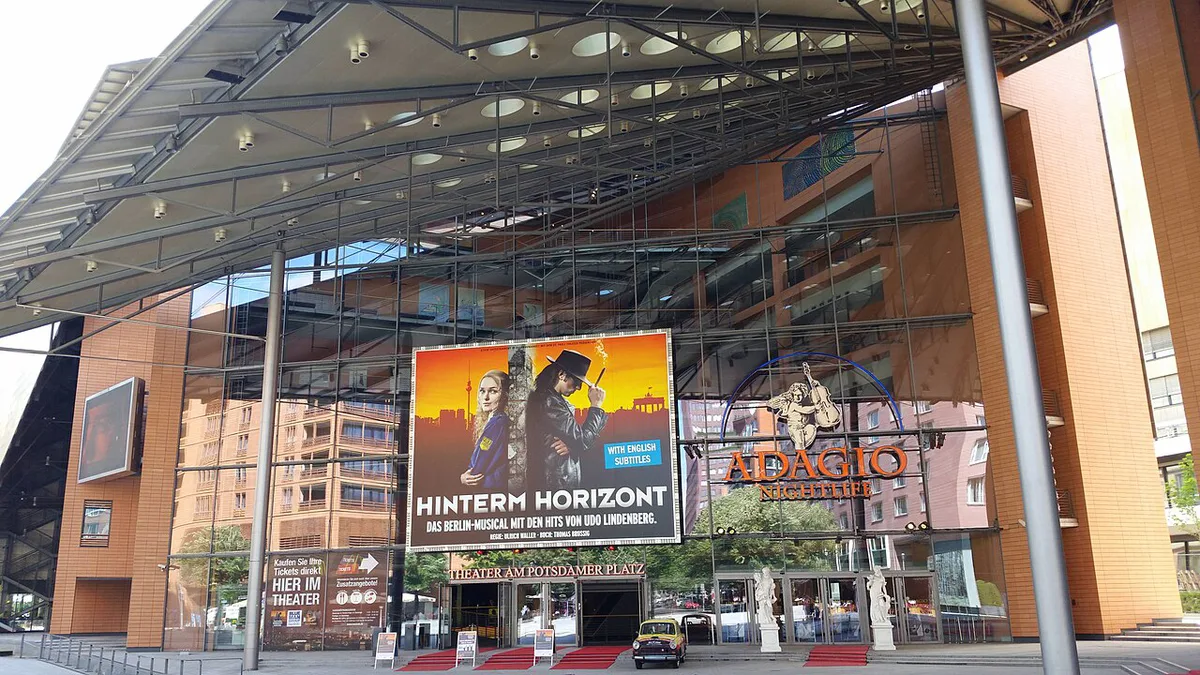
- Berlinale Palast, Potsdamer Platz: the festival's main hub since 2000, home to Competition premieres and the red carpet.
- Zoo Palast, Charlottenburg: the festival's original main venue before 2000, still tied to its history.
- Neighborhood cinemas and the Berlinale Goes School strand: screenings that extend beyond the Potsdamer Platz core; check the official venue map each year, since neighborhood partners can change.
European Film Market, Berlinale Talents, and the World Cinema Fund
EFM, the European Film Market, runs alongside the festival at Gropius Bau, serving distributors, financiers, and co-production agents rather than the general public. Participation in the market grew five percent in 2026, according to the festival's own report, reinforcing its role as a global deal-making hub each February. For 2027, EFM will celebrate South Africa as its Country in Focus, spotlighting the country's production industry across market events.
- Berlinale Talents is the festival's programme for emerging filmmakers, held at Radialsystem alongside the main festival. FestJourney has not independently verified its next edition dates or capacity — confirm both on berlinale.de before planning around them.
- Applications open in an early-bird round with a later final deadline, both falling roughly half a year before the festival; we have not verified the current cut-offs, so check the official Talents pages.
- World Cinema Fund's most recent jury session recommended funding for nine projects, from Bangladesh, Burkina Faso, Cambodia, Ecuador, Lebanon, Malaysia, the Philippines, Senegal, and Turkey, plus three German releases.
The Berlinale's Political Reputation
Coverage from Deutsche Welle describes the Berlinale as the most political of Europe's major film festivals, and the 2026 edition tested that reputation directly. An open letter signed by figures including Tilda Swinton and Javier Bardem criticized the festival's handling of Gaza. That criticism followed comments from jury chief Wim Wenders that the festival should stay out of politics. Tricia Tuttle's position as artistic director became part of the same story. An emergency meeting addressed backlash over Gaza-related remarks before she was confirmed to remain in the role. That year's Competition slate also included films from women directors in Iran and Afghanistan, work DW described as confronting injustice through contrasting genres. Yellow Letters, a political drama directed by Ilker Çatak, won the 2026 Golden Bear.
Watching From Home and Spotting Stars
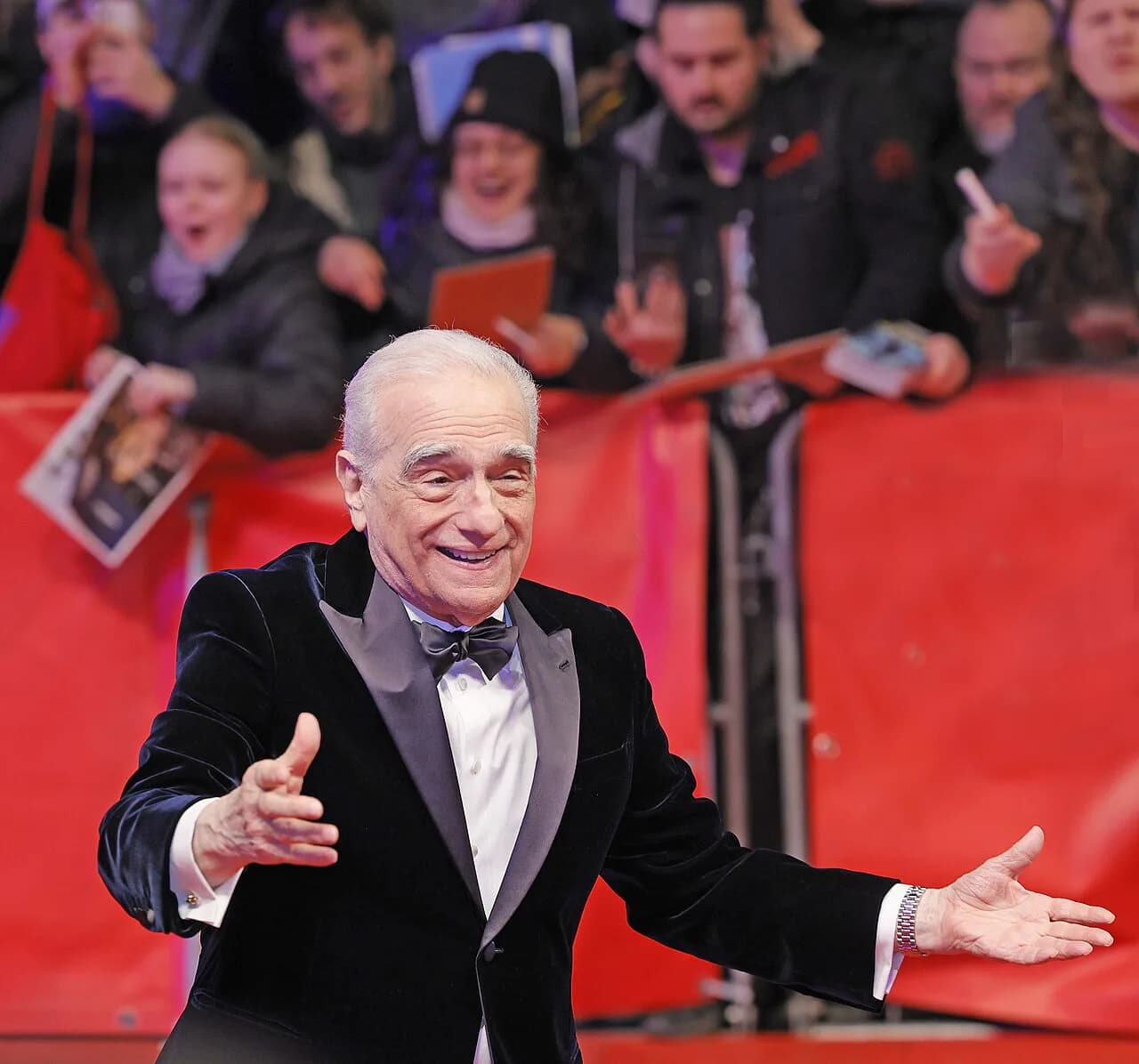
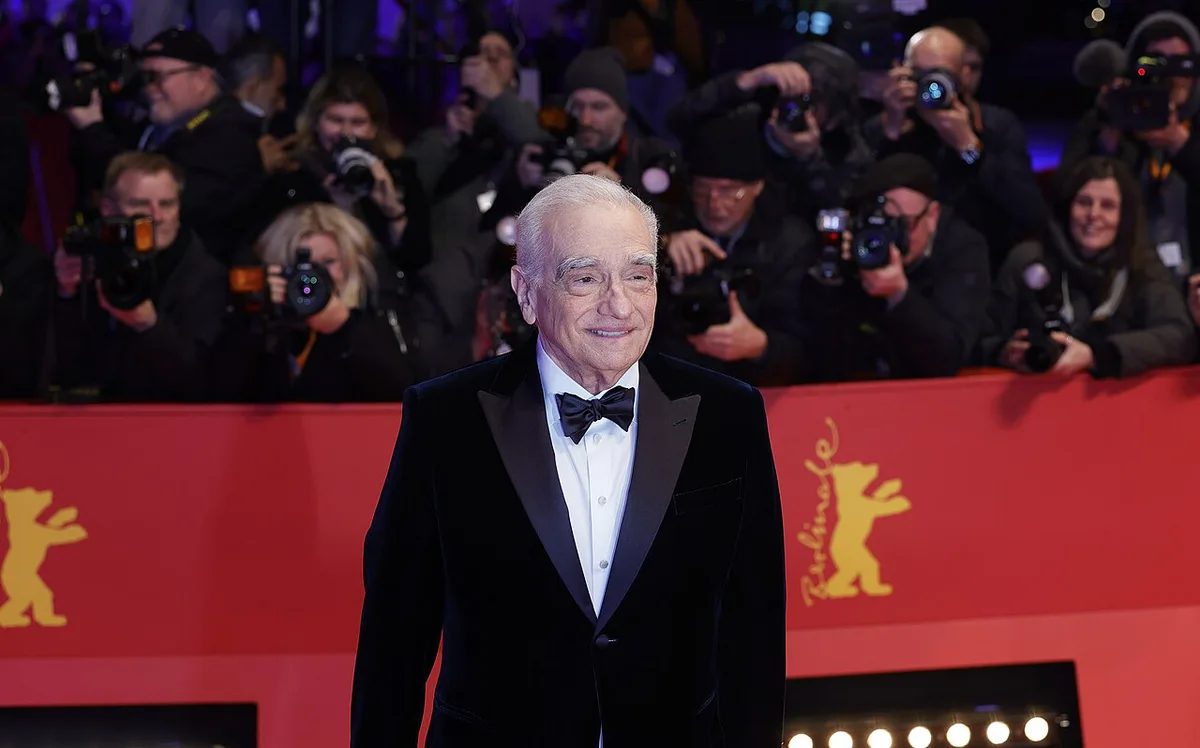
Berlinale On Demand streams recordings of galas, red-carpet arrivals, and press conferences after each edition, a practical option for anyone who cannot travel to Berlin in February. During the festival, large-format Star Portraits line the walls of the Berlinale Palast, signed by cast and directors before their gala premieres, a lower-effort way to see festival visuals up close than chasing red-carpet arrivals. Realistic star-spotting also happens away from the barriers; hotel bars near Potsdamer Platz, including the Hyatt, draw industry chatter during the festival, though nothing there is guaranteed.
Mistakes First-Time Berlinale Visitors Make
A few recurring mistakes shape how first-time visitors experience the festival.
- Waiting until the day of a screening to buy tickets: the online window opens three to four days ahead, and popular Competition slots sell out fast.
- Booking accommodation far from the U2 or S-Bahn lines: Berlin's venues spread across several districts, and slow transit connections eat into time between screenings.
- Skipping smaller sections like Forum or the shorts programme: Competition draws the attention, but Forum and Panorama carry the festival's more experimental work.
Where to Stay for the Berlinale
Where to base a Berlinale trip depends on how much walking versus transit time feels tolerable across an 11-day festival.
- Mitte: closest to Potsdamer Platz and the Berlinale Palast, best for minimizing transit time between back-to-back screenings.
- Charlottenburg: home to the historic Zoo Palast, a fit for anyone interested in the festival's pre-2000 venue history.
- Kreuzberg: further from the festival hub but well connected by U-Bahn, with more nightlife options for evenings between screenings.
How the Berlinale Fits Into Germany's Festival Calendar
The Berlinale is one entry in a much larger German festival calendar that spans all twelve months. Its February slot lands in roughly the same season as Cologne's carnival period. Cologne’s carnival moves with Easter each year, so the two events rarely share exact dates, but both fall inside Germany's winter travel season. Visitors extending a winter trip often add stops at Germany's Christmas markets, which close before the Berlinale opens each February. Nuremberg's Christkindlesmarkt runs into late December most years. Dresden's Striezelmarkt follows a similar late-December close. Later in the year, the calendar shifts toward outdoor and beer-tent events instead of indoor cinema screenings. Munich's Oktoberfest runs in autumn on the opposite end of the festival calendar. Wacken’s metal festival brings a similarly outdoor, high-volume crowd in summer, a contrast to the Berlinale's queue-and-badge system spread across indoor venues. Large-scale crowd management looks different at Germany's outdoor festivals too. The Nürburgring festival handles festival-scale logistics across an open-air site each year. Kiel’s sailing week manages comparable crowd volumes along Kiel's waterfront. Stuttgart's Cannstatter Volksfest concentrates similar scale into a single fairground, another useful comparison for how differently German festivals manage large crowds.
For trip-planning details, see Berlin International Film Festival (official) and Official regional tourism.
Explore guides in other cities
A 48-Hour Berlinale Itinerary
Use the first evening for one headline premiere at Berlinale Palast, then remain around Potsdamer Platz for nearby festival activity. Avoid adding a Charlottenburg screening that night, because cross-city travel can make tight schedules unreliable.
Start the next morning with a Panorama, Forum, or Generation screening. These sections offer major discoveries without concentrating entirely on Competition tickets. Leave at least 60 minutes between venues in different districts. Travel from Potsdamer Platz to Zoo Palast by S-Bahn rather than planning to walk.
- Friday evening: Berlinale Palast premiere or a public screening near Potsdamer Platz.
- Saturday morning: Panorama, Forum, or Generation film, followed by lunch near the next venue.
- Saturday afternoon: Berlinale Talents public talk at Radialsystem, when available.
- Saturday evening: Zoo Palast screening in Charlottenburg or a neighborhood cinema programme.
- Sunday morning: Retrospective or Berlinale Shorts, then a final Potsdamer Platz screening before departure.
Book each screening when its rolling ticket window opens. Keep one alternative in the same district, since popular sessions may sell out before a weekend itinerary is complete.
Frequently Asked Questions
When is the Berlinale in 2027?
The organizers have confirmed the 77th Berlinale for February 10 to 21, 2027, with the Berlinale Talents strand running February 12 to 17, 2027, at Radialsystem. Expect that pattern to hold most years: the festival runs eleven days in February, with exact dates confirmed by the organizers roughly a year ahead. Check berlinale.de for updates before booking travel.
How do you get Berlinale tickets?
Public tickets go on sale online three to four days before each screening, typically released at 10:00 in the morning local time. Missing that window by even a few hours can mean a sold-out screening, so plan around the release schedule published on berlinale.de rather than buying at the door.
Is the Berlinale open to the public, or only industry professionals?
Unlike Cannes, most Berlinale screenings sell public tickets alongside industry accreditation. EFM and its market screenings stay restricted to accredited professionals, though Competition, Panorama, Forum, and the other main sections welcome ticket-holding visitors.
What is the Golden Bear?
The Golden Bear is the Berlinale's top prize, awarded by an international jury alongside several Silver Bears for acting, directing, and other jury prizes. Yellow Letters, directed by Ilker Çatak, won the Golden Bear at the 2026 festival.
How does the Berlinale compare to Oktoberfest or other major German festivals?
The Berlinale is an indoor, ticketed film festival built around booking windows and screening schedules, while Munich's Oktoberfest is an outdoor beer-tent festival with open access. Checking the wider German festival calendar helps place the Berlinale's February slot against the rest of the year's major events.