
Wacken Open Air: The Complete Guide to the World's Biggest Metal Festival
Last updated July 2026. Wacken Open Air turns the small Schleswig-Holstein village of Wacken into a temporary home for tens of thousands of metal fans from more than 80 countries. This guide covers the logistics of getting there, choosing where to camp, and handling the extreme weather swings that have defined recent editions, so first-time attendees can plan with confidence.
What Is Wacken Open Air? Inside the Holy Ground
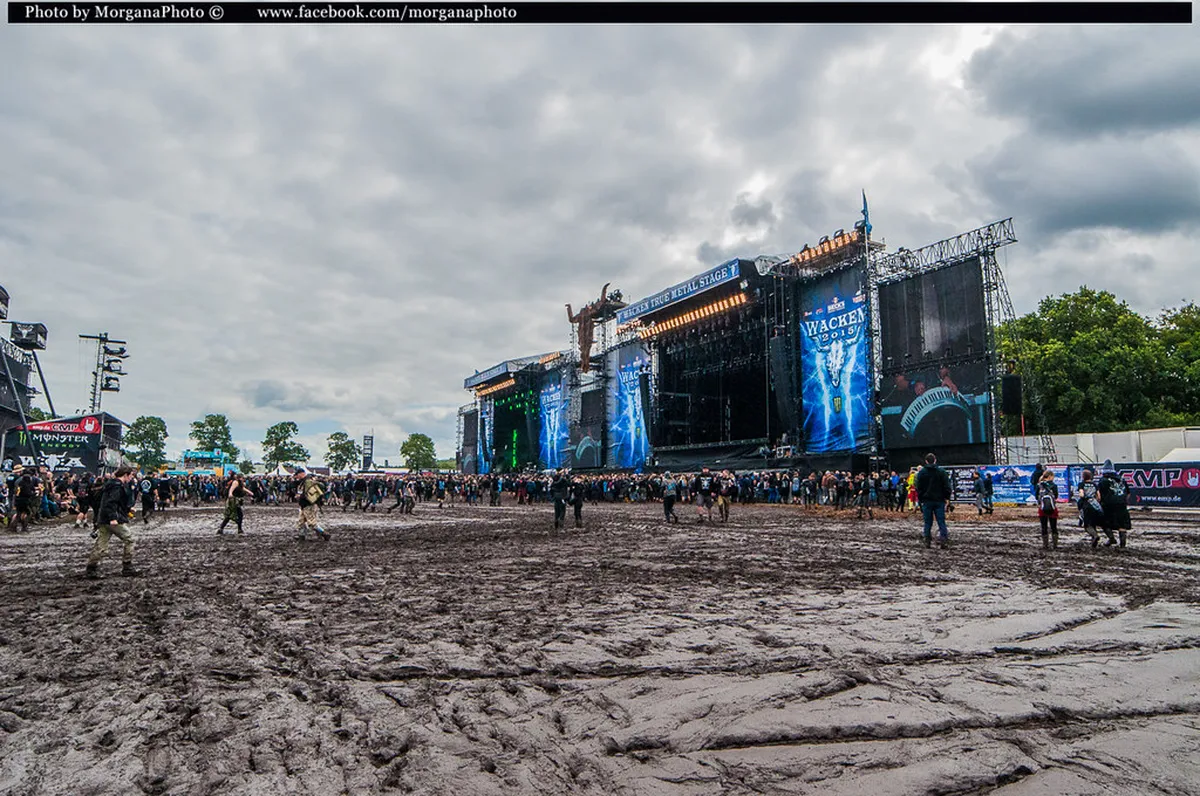
This heavy metal festival happens every year in the small village of Wacken, in Schleswig-Holstein. Multiple sources, including Wikipedia, describe it as the world's biggest and most renowned metal festival. Fans call the festival grounds Holy Ground, reflecting the near-pilgrimage feel of returning to the same fields every year. Roughly 1,800 residents live in Wacken the rest of the year, so the ratio between locals and visitors during the festival is extreme. Genres lean toward power, speed, thrash, death, and black metal, alongside doom, industrial, symphonic, and folk metal acts across the lineup. Roughly 200 bands play across the main and smaller stages each edition, spanning newer acts alongside established headliners. In recent years, the lineup has leaned somewhat more mainstream and alt-metal alongside the traditional extreme-metal core, a shift some longtime attendees have noted.
- Faster Stage, Louder Stage, and Harder Stage: the festival's main performance stages
- Wackinger Village: a medieval and folk-themed area with its own market stalls and performers
- Wasteland: a post-apocalyptic-themed zone with its own bars and stage
- Metal Church: a chapel-style village tradition that publishes its own program each year on the official site
- Bullhead City: the nickname for one of the main campground zones, referencing the festival's flaming skull logo
A Brief History of Wacken Open Air
Wacken Open Air began in 1990, when Thomas Jensen and Holger Hübner organized a two-day concert in a gravel pit outside the village. The first edition drew fewer than 1,000 fans, with acts made up entirely of regional German bands. Attendance climbed quickly. About 1,300 fans came in 1991, and by 1994 the festival sold 4,500 tickets, breaking even for the first time after several money-losing years. International acts joined the bill starting in 1992, when bands from Sweden, the United States, Ireland, and Belgium played alongside the German lineup for the first time. That international mix has stayed central to the festival's identity ever since, with today's edition widely cited at around 85,000 fans from more than 80 countries.
Getting to Wacken Open Air: Hamburg, Itzehoe, and the Shuttle System
Wacken sits northwest of Hamburg, in Schleswig-Holstein. Most international travelers fly into Hamburg and continue toward the festival from there. Itzehoe is the closest larger town to the grounds, and it becomes a transit hub during the event. A dedicated shuttle bus system links Hamburg and Itzehoe with the festival site, easing pressure on the narrow country roads nearby. Driving in independently is possible, but parking fills fast, and organizers have paused arrivals in past years when weather turned bad. In 2023, days of heavy rain turned access roads and campgrounds to mud, and organizers called a temporary arrival stop. Thousands of ticket holders waited outside the gates while tractors towed stranded cars and camper vans out of the worst sections. Tickets, shuttle seats, and nearby rooms all move fast once sales open. Treat Wacken planning as a lead-time problem. Settle transport and any off-site stay before you worry about which stage to prioritize.
Camping and Accommodation Options Near Wacken
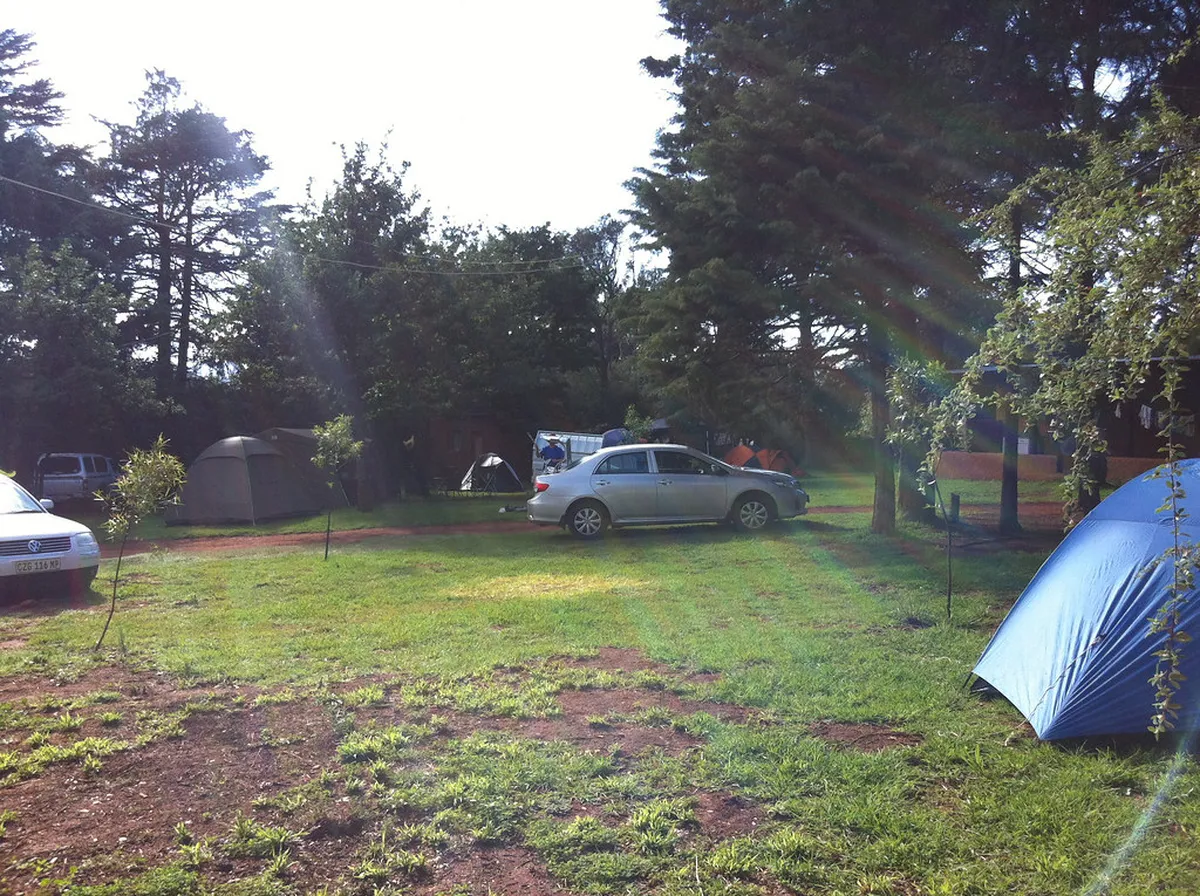
Nearly everyone at Wacken camps, and the style you choose shapes the whole experience. Standard camping comes included with the festival ticket and puts you in the middle of the round-the-clock atmosphere. Glamping-style options, such as Residenz Wacken, add pre-built comfort at a higher cost. Staying off-site in Itzehoe or another nearby town trades atmosphere for quiet, and it depends entirely on the shuttle schedule. Book an off-site room as early as possible, since nearby towns absorb festival overflow every year.
| Feature | Standard Camping | Glamping (Residenz) | Off-site (Itzehoe/Hotel) |
|---|---|---|---|
| Cost | Included in the festival ticket | High premium | Moderate, plus transit costs |
| Atmosphere | Round-the-clock and social | Quieter, more comfort | Detached from the grounds |
| Logistics | Carry your own gear in | Pre-built on arrival | Shuttle-dependent |
| Best for | Purists who want to be in the middle of it | Bigger budgets wanting comfort | Families and quieter stays |
Tickets and the Sold-Out Reality
Tickets sell out fast. In several recent years the full allocation has gone within about 24 hours of going on sale. The organiser's own site confirmed the 2026 edition sold out as of July 2026, continuing a pattern seen across multiple recent editions. The only resale channel FestJourney recommends is the official Wacken Ticket Center, which the organiser runs once original sales close. Third-party resale sites carry real fraud risk for a festival this in-demand, so route any late purchase through the official channel and verify the listing before paying. On-site spending runs through the Wacken Card, a cashless system loaded with credit before or during the festival, rather than cash at the bars and stalls.
The Metal Battle: How Wacken Discovers New Bands
Alongside the headline lineup, Wacken runs the Metal Battle, an international battle-of-the-bands contest for unsigned acts. Bands compete through qualifying rounds in their home countries before national and international finalists earn a slot at the festival itself. It is one of the more established paths for an unsigned metal band to play a set on Wacken's main site. Checking the Metal Battle schedule alongside the headline lineup is worth doing before you build a day-by-day plan, since some of these acts go on to bigger stages within a few years.
Surviving the Weather: Mud, Dust, and the Full Metal Bag
Weather at Wacken swings between two extremes: thick mud after rain, or fine dust when the ground dries out. The 2023 edition became the clearest example of the mud scenario, when days of rain turned campgrounds and access roads into standing water and thick clay. Conditions that year forced a temporary halt to arrivals, and some fans waited outside the gates for hours while crews worked to stabilize the roads. In drier years, the same fields kick up dust across the paths between stages and campgrounds. Packing for both extremes, not just one, is the safest approach for any given year.
- Waterproof, ankle-supporting boots rather than festival wellies alone
- A rain poncho and a separate dry base layer for cold, wet nights
- A dust mask or buff for dry years, when ground traffic kicks up fine dust
- Extra tent stakes rated for soft or waterlogged ground
- A portable phone charger, since power queues can run long
- Earplugs rated for concert-level volume across multiple stages
The Wacken Community: Farmland, the Beer Pipeline, and Local Ties
Farmland ties shape Wacken's identity more than at most large festivals. Farmers in the surrounding area lease sections of their land to the festival under long-running agreements known locally as the Zeltplatz system. That arrangement keeps much of the festival's footprint tied to families who have lived in the area for generations. Local businesses in the village also build much of their yearly planning around festival-season demand. Infrastructure built for the event reflects a similar scale. A dedicated underground pipeline, roughly 7 kilometers long, pumps beer from a depot directly to taps on the grounds. DW has reported that the festival is thought to feature one of the higher shares of women performers among major metal festivals. The Wacken Foundation also runs on-site safety initiatives, including a Safe Space program and Metal Angels volunteers, for anyone who needs help or feels unsafe during the event.
Wacken Open Air Mistakes First-Timers Should Avoid
Underestimating walking distances is the most common complaint from first-time attendees. Grounds cover roughly 240 hectares including campgrounds, so a pitch far from the main stages can mean a long walk each way while carrying gear. Skipping the Metal Battle heats, covered above, is another common regret for people who only track the main-stage schedule. Arriving without checking the official site maps, published ahead of each edition, also costs people time once they're on the grounds. Waiting until arrival to sort out the Wacken Card also costs time, since first-day queues for cashless top-ups run long. Ignoring the packing advice above for both mud and dust years leaves people unprepared no matter which way the weather goes.
How Wacken Open Air Compares to Other German Festivals
Genre focus sets Wacken apart from Germany's other large festivals. Its late-summer slot sits inside a busy stretch of the year for live events, so weighing it against neighboring festivals helps with planning. See the German festival calendar for how Wacken's Thursday-to-Saturday window lines up against other summer dates. The Nürburgring festival pulls a broader rock and alternative crowd rather than Wacken's genre-specific lineup. Kiel Week is another major Schleswig-Holstein event, but it draws a general audience rather than a metal-specific one. Choosing between them comes down to how narrow or broad you want the lineup to be.
Why Wacken Wednesday Changes Your Arrival Plan
Wacken’s main program no longer fits neatly into a Thursday-to-Saturday plan. Substantial performances and activities can begin on Wednesday, making it an important festival day rather than only an arrival window.
Check the official running order before booking transport or choosing a shuttle. A Thursday arrival can mean missing Wednesday sets, themed areas, and the first full evening on the Holy Ground. Travelers staying in Itzehoe should also confirm that their accommodation and return transport cover the earlier start.
Campers benefit from arriving with enough daylight to pitch securely and learn their route to the main arena. Campground distances are significant, while wet fields can make setup and walking slower. Keep Wednesday essentials accessible instead of burying them inside a packed vehicle.
- Download the current timetable and site map before leaving Hamburg or Itzehoe.
- Allow extra time for vehicle queues, campsite allocation, and weather-related arrival controls.
- Carry water, rain protection, and a charged phone during setup.
Exact Wednesday programming changes by edition, so use the official schedule rather than assuming it is a quiet opening day.
More Wacken Open Air
Verified event facts first, followed by the travel decision layer.
For trip-planning details, see Wacken Open Air (official) and Official regional tourism.
Frequently Asked Questions
When is Wacken Open Air in 2026?
Wacken Open Air is an organiser-announced festival, so there's no fixed calendar rule to compute a date from. Recent editions have run Thursday through Saturday around the turn of July into August, but dates are confirmed by the organiser each year rather than published on a set formula. Check the official Wacken site directly once the next edition's dates go live, and treat any third-party listing of an exact day as unconfirmed until it does.
Can you still buy Wacken Open Air tickets?
Often not for long. Tickets have sold out within about 24 hours of going on sale in several recent years. The organiser's own site confirmed the 2026 edition sold out as of July 2026. If you missed the original sale, the Wacken Ticket Center is the only resale channel FestJourney recommends, since third-party resale sites carry real fraud risk for a festival this in-demand.
How do you get to Wacken from Hamburg?
Most international visitors fly into Hamburg and continue toward Wacken from there, with Itzehoe serving as the closer transit hub. A dedicated shuttle bus system links both Hamburg and Itzehoe with the festival grounds during the event. Driving independently works too, but parking fills fast, and organizers have paused arrivals in past years when weather turned roads to mud.
What is the Holy Ground at Wacken Open Air?
Holy Ground is the nickname fans use for the festival site itself, reflecting the near-pilgrimage feel of returning to the same fields each year. Inside it, distinct zones carry their own themes, including the medieval and folk-focused Wackinger Village, the post-apocalyptic Wasteland, and the Metal Church, a chapel-style village tradition that publishes its own program every edition.
What should you pack for Wacken's weather?
Pack for both mud and dust, since either is possible depending on the year. Waterproof boots, a rain poncho, extra tent stakes rated for soft ground, and a dust mask or buff cover most scenarios. The 2023 edition is the clearest example of how bad the mud scenario can get, when days of rain forced a temporary halt to arrivals.
What is the Wacken Metal Battle?
The Metal Battle is Wacken's international battle-of-the-bands contest for unsigned acts. Bands qualify through rounds in their home countries, and finalists earn a slot at the festival itself, making it one of the more established paths for an unsigned band to play the main site.