
What to Wear to Narzissenfest: Traditional Dress, Weather Layers, and Practical Footwear
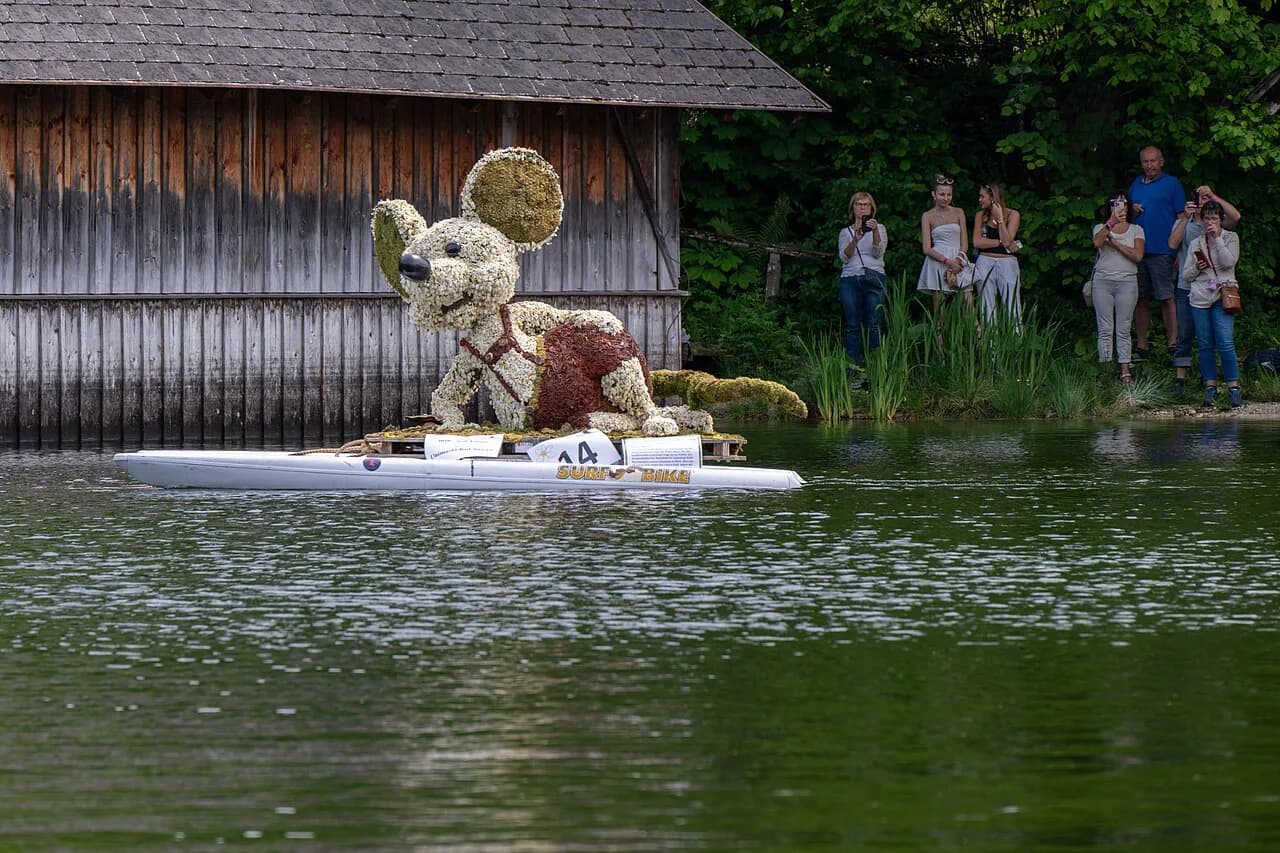
Narzissenfest is a village-wide celebration of the daffodil, held every year in late May or early June in Bad Aussee and surrounding lake towns. With thousands of visitors flooding the streets to admire towering flower figures, the festival is as much a display of local culture as it is a horticultural event.
What you wear matters more than you might expect. Locals turn out in traditional Tracht—Dirndl for women and Lederhosen for men—while visitors can choose between renting an outfit or dressing in smart, weather-appropriate layers. The key is to prepare for a long, outdoor day in an alpine setting, where sunshine and rain showers can alternate within hours.
Decoding the Dress Code: Tracht vs. Everyday Tourist Wear
At Narzissenfest, you will see a clear split: many locals and some visitors wear Tracht, while others stick to comfortable, casual clothing. Tracht is a symbol of regional pride and adds to the festive atmosphere, but it is not a requirement. For tourists, the unwritten rule is respect—if you choose to wear traditional clothing, do it properly; if not, dress neatly and comfortably.
Everyday tourist wear—think jeans, sweaters, and comfortable shoes—is perfectly acceptable, especially if you are attending the parade or exploring the figure exhibition. However, dressing in Tracht can help you feel more integrated into the celebration and is a great conversation starter. The choice is yours, but understanding the local dress norms will help you blend in or stand out as you prefer.
Traditional Outfits: Dirndl and Lederhosen Styling
For women, the classic Tracht is the Dirndl, a dress with a fitted bodice, full skirt, and an apron. The way you tie the apron's bow carries meaning: tying it on the left signals that you are single, while tying it on the right indicates that you are married or taken. This subtle code is fun to know, but outsiders are rarely judged for getting it wrong—so wear your bow wherever feels comfortable.
Men traditionally wear Lederhosen, leather shorts that come in varying lengths, paired with a checked shirt and often suspenders or a traditional jacket. If you are renting or buying, you can find affordable options in Bad Aussee's local boutiques. The key to looking authentic is to avoid mixing Tracht with modern sportswear—save your sneakers for the parade route and opt for proper Tracht shoes or at least dark, sturdy leather footwear.
The Narzissenfest Majesties: A Glimpse of Royal Dress
One of the festival's highlights is the Narzissenfest Queen and her two princesses, who are chosen each year and dressed in full Ausseer traditional attire. Their outfits are custom-made and worth approximately €2,500, a cost sponsored by local businesses. The ensemble includes a tailor-made Dirndl, hand-printed silk scarf and apron, a traditional jacket, leather handbag, and jewelry—all sourced from Bad Aussee's finest shops.
If you want to emulate the royals, focus on quality rather than exact replication. A well-fitted Dirndl, hand-printed silk accessories, and quality leather shoes will elevate your look. You do not need to spend thousands—local shops offer ready-to-wear options that still capture the Ausseer style's clean lines and refined details.
Weather Planning: Layers for Alpine Lake Conditions
The Ausseerland-Salzkammergut region is known for its lake-side beauty, but that comes with changeable weather. Mornings can be chilly, afternoons pleasantly warm, and sudden rain showers are not uncommon. Packing layers is essential—start with a light base layer, add a mid-layer like a sweater or cardigan, and carry a waterproof shell or umbrella in your day bag.
If you are wearing a Dirndl, choose a fabric that breathes, such as cotton or linen, and bring a shawl or light jacket for cooler moments. For those in Lederhosen, consider a thicker shirt or a traditional jacket like the Steireranzug. Remember that even in late spring, evenings near the lakes can turn cool, so always have an extra layer to pull on.
Footwear: Sturdy Shoes for Parades and Paths
The festival involves a great deal of walking—from the parade route to the figure exhibition at the lake. Streets can be uneven, and grassy areas near the water may be muddy, especially after rain. For this reason, comfortable, sturdy shoes are non-negotiable. If you want to wear traditional Tracht shoes, break them in beforehand and consider adding cushioned insoles for long hours on your feet.
Heels, especially stilettos or thin heels, are a bad idea—they will sink into grass or get stuck between cobblestones. Instead, opt for low-block heels or elegant flats if you are dressing up. For non-Tracht wearers, supportive sneakers or hiking sandals are ideal, as long as you keep them clean enough to look presentable in photos.
Dressing for Different Festival Events
The festival spans several days, and each event has its own vibe. Friday evening might feature a coronation ceremony or a narcissus night, which tends to be more formal and festive. A dressy Dirndl or a smart cocktail dress is suitable, while men might wear a dark suit or a nice Lederhosen with a blazer.
Saturday's parade is the main event, where you will be standing and walking for hours. Prioritize comfort and weather protection, but still keep some traditional flair if you like. Sunday morning is dedicated to the figure exhibition, a more relaxed affair where you can wander among the giant narcissus sculptures. Finally, Monday wraps up with events like a fashion show, so you can dress to impress once more.
Where to Buy or Rent Tracht in Bad Aussee
If you decide to go all-in on Tracht, local shops in Bad Aussee offer both purchase and rental options. Notable names include Ausseer Dirndl for made-to-measure dresses and Ausseer G'wand - Trachten Veigl for a wider selection. For accessories, Ausseer Handdrucke sells hand-printed silk scarves and aprons, while Rastl Gwand provides traditional jackets.
When shopping, ask for items that are specifically labeled as 'Ausseer' to ensure authenticity, as the local style differs from other Austrian regions. Many shops also carry Lederhosen for men and boys. If you are on a budget, renting is a practical alternative—ask your hotel for recommendations or check if the festival office collaborates with rental services.
Non-Tracht Alternatives: Smart Casual Layers
Not everyone wants to wear full Tracht, and that is absolutely fine. A smart casual look—dress pants or dark jeans with a blouse and a blazer—fits well with the festive atmosphere. Choose colors that echo the alpine landscape: greens, blues, and earthy tones blend nicely, while floral patterns nod to the flower theme without being literal.
For men, a pair of clean jeans with a button-down shirt and a nice jacket strikes a good balance. The goal is to look polished but not overdressed. Avoid gym clothes or beachwear, as the event is a cultural celebration, not a casual picnic.
Packing Checklist for Your Festival Day Bag
Your day bag should be practical but stylish. Start with a small backpack or crossbody bag that keeps your hands free. Inside, pack a compact rain jacket or poncho, sunscreen, a refillable water bottle, and a portable phone charger. Sunscreen is crucial even on cloudy days, as you will spend hours outdoors.
Also include hand wipes or a small towel for sitting on damp benches, and a foldable shopping bag for any souvenirs like locally made schnapps or flower-themed trinkets. If you wear Tracht, consider bringing a small sewing kit for emergency repairs—button popping is a real risk after a hearty meal or dance.
Common Outfit Mistakes to Avoid
One common mistake is wearing a Dirndl with the apron tied incorrectly—though locals may forgive visitors, it is still a faux pas. Another is pairing Tracht with modern sneakers or athletic socks; choose appropriate shoes or go untraditional but consistent. Also, avoid wearing Lederhosen that are too short or tight, as they can look costume-like rather than authentic.
Beyond Tracht, avoid overly casual clothing like ripped jeans or athletic wear, which clash with the festival's refined rural charm. Finally, do not forget to check the weather forecast and dress accordingly—shivering through the parade because you prioritized style over warmth is no fun.
Final Tips for Dressing Respectfully and Comfortably
The golden rule of Narzissenfest dressing is to respect the local culture while keeping your comfort. Whether you opt for a full Dirndl or a simple layered outfit, your attitude matters more than your attire—be open, smile, and join the festivities.
Before you go, check the official festival program for any dress-specific events, and confirm the weather forecast to adjust your layers. For more details on the festival's schedule, tickets, and logistics, head over to the festival's website or our comprehensive guide. Don't forget to book your accommodation early, as the town fills up quickly.
Frequently Asked Questions
What is the dress code at Narzissenfest?
There is no strict dress code, but many locals wear traditional Tracht, such as Dirndl for women and Lederhosen for men. Tourists can wear smart casual clothing. The key is to be comfortable and respectful of the festive atmosphere.
Can I rent traditional clothing in Bad Aussee?
Yes, some local shops offer rental options for Dirndl and Lederhosen. You can ask at your hotel or check with the festival office for recommendations. Rentals are a practical alternative if you don't want to buy an outfit.
What should I wear to the parade?
For the parade, prioritize comfortable, sturdy shoes and weather-appropriate layers. If you wear Tracht, make sure it's fitted properly. Otherwise, smart casual clothing works well. Bring a rain jacket just in case.
What footwear should I avoid at the festival?
Avoid high heels, especially thin stilettos, as they can sink into grass or cobblestones. Also avoid brand-new shoes that haven't been broken in, as you'll be walking a lot. Choose supportive flats or low-block heels instead.
Is it okay to wear a regular dress instead of a Dirndl?
Absolutely. Wearing a normal dress is fine, but you can elevate it with traditional accessories like a hand-printed silk scarf to nod to local culture. The most important thing is to feel confident and comfortable.