
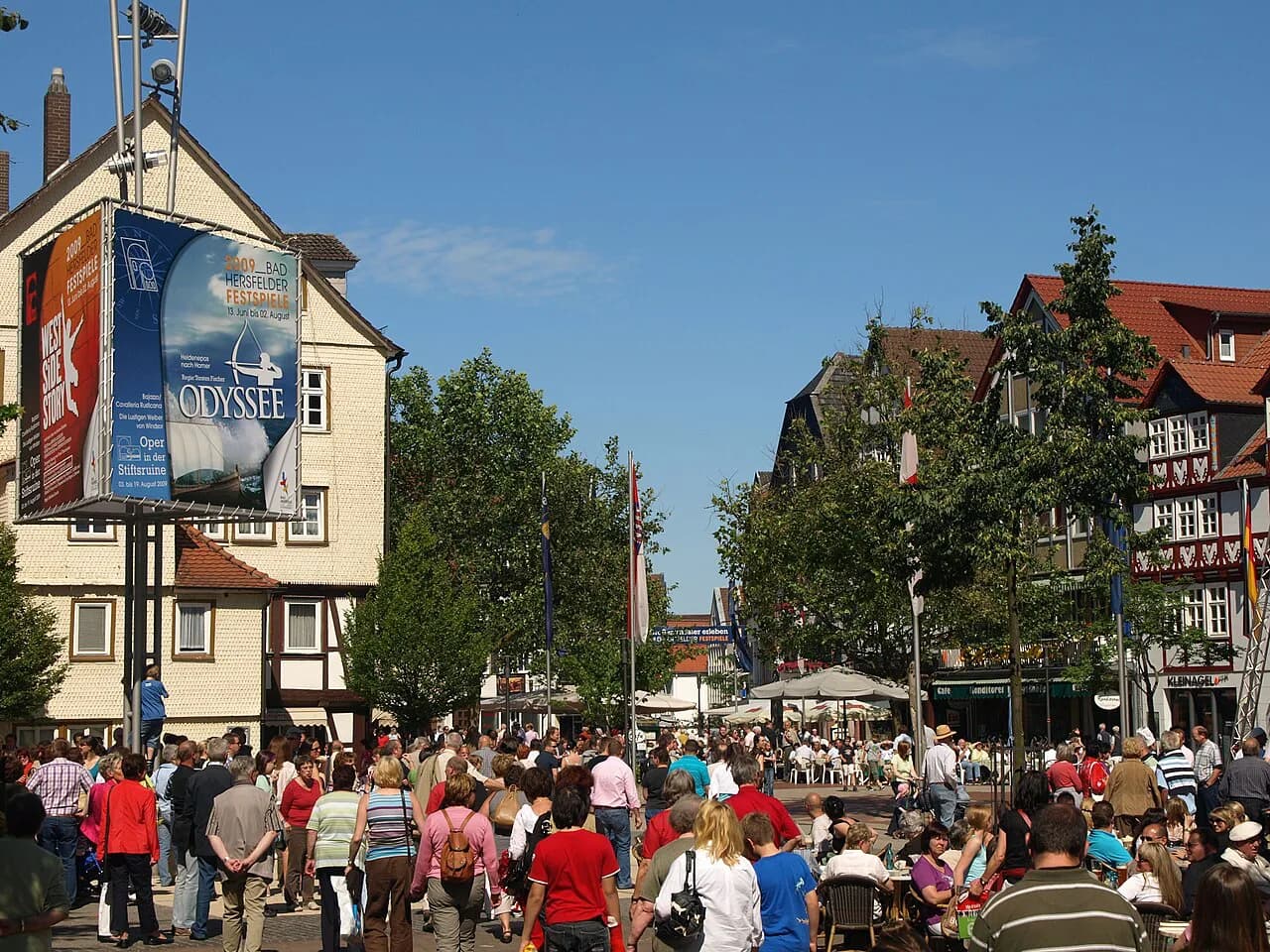
Bad Hersfelder Festspiele for First-Timers: Your Complete Guide
The Bad Hersfelder Festspiele is Germany's oldest open-air theatre festival, held every summer since 1951 in the Stiftsruine, the ruins of a medieval abbey in Bad Hersfeld, Hesse. The festival is a highlight of German cultural life, drawing thousands of visitors each season with its mix of classical plays, musicals, and contemporary drama, performed by acclaimed actors on a monumental open-air stage.
For a first-timer, the event can be as overwhelming as it is enchanting. The unique setting—among towering Romanesque stone walls—creates unforgettable atmospherics, but it also comes with practical challenges: weather shifts, seating logistics, and the sheer scale of the site. This guide distills what you need to know before you go, based on common first-timer experiences.
How the festival works: schedule, venues, and ticket basics
The festival runs for several weeks each summer, typically from late June to early August. The main stage is the Stiftsruine, but there are also smaller venues and side events throughout Bad Hersfeld. The program mixes theatre, musicals, concerts, and readings—so you can choose a performance that suits your taste.
Tickets go on sale well in advance, and popular shows often sell out early. Seat categories vary within the Stiftsruine, with some sections offering covered seating and others fully exposed to the sky. Because dates and prices change every year, check the official festival website or reliable ticket portals for current information.
Understanding the Stiftsruine: a historic abbey as your stage
The Stiftsruine is the largest Romanesque church ruin in Europe, a fact that lends the festival its awe-inspiring backdrop. The open-air stage is set within the remaining arches and columns, using the ruined walls as a natural scenery. This creates a unique acoustic environment, but sound can sometimes bounce unpredictably, so premium seats close to the stage are worth considering if you care about perfect audio.
The sightlines are also distinct: tilted seating tiers face a wide stage, and some spots may have partial views of the side wings. For first-timers, it's wise to be early to your seat to get familiar with the layout and the view. The ruins themselves are a tourist attraction, so you can also visit them during the day when no performances are taking place.
What to bring and what to leave behind: weather and comfort
Because the venue is outdoors, weather is the biggest variable. Even warm days can cool down quickly after sunset, so layers are essential. A rain jacket is a must—the festival continues in light rain, and umbrellas are usually discouraged as they obstruct views. Comfortable, sturdy shoes are also key, as you'll be walking on uneven historic ground.
Seats are typically basic grandstand benches, so bringing a cushion can make a long evening much more comfortable. Leave your tripod, large bags, and any recording gear, as security—common at German venues—prohibits such items. Check the festival's 'What to know' page for the full list of permitted items before you pack.
Performance etiquette and the festival atmosphere
The festival crowd is a mix of seasoned theatre-goers and tourists, which makes the atmosphere lively yet respectful. During performances, silence and attention are expected—though applause and laughter are heartfelt. Though most performances are in German, you can still follow the emotions and enjoy the visuals; some shows offer surtitles or program notes in English.
Intermission is a chance to stretch and grab a drink from the festival's own kiosks. You'll notice the social aspect: locals often dress up a bit for opening nights, while casual wear is fine for regular performances. The social scene extends to after-show discussions, which can offer fascinating insights into the production.
A typical day at the festival: from arrival to curtain call
To make the most of your visit, arrive in the late afternoon to explore the town and find your venue without rush. Parking is limited, so it's advisable to use public transport or the festival's shuttle services that run from the train station. Plan to have an early dinner in the old town—there are several restaurants—before heading to the festival grounds about 45 minutes before showtime.
Once inside, you can buy a program, find your seat, and soak in the pre-show atmosphere. After the show, which often ends late, you can either catch a shuttle back or walk to your accommodation. It's a full evening, but the magic of theatre under the open sky is well worth the effort.
Day trips and extras: combine theater with spa and old town
Bad Hersfeld is not just about the festival; it's a historic spa town. You can arrive during the day to visit the thermal baths and wellness facilities, which are open to visitors seeking relaxation. The old town, with its timber-framed houses, is particularly charming on the German Timber-Frame Road, a scenic route that passes through the town.
The town also hosts other cultural events, including concerts and fringe performances during the festival period. To make your trip a mini-holiday, consider staying overnight in or near Bad Hersfeld. The nearby regional attractions, such as the Vogelsberg mountains or the city of Fulda, are easy to reach for a weekend expedition.
Common mistakes first-timers make (and how to avoid them)
First-timers often underestimate the weather: a sunny afternoon can turn into a chilly, drizzly evening. Always bring warm clothing and waterproofs, and never assume sheltered seating will protect you from the rain. Another frequent error is arriving late—roads can be congested, and latecomers are often only allowed during intermissions, missing part of the show.
Booking the wrong seats is another trap: seats at the edge may have a restricted view of the stage's far end. To avoid disappointment, research the seating plan and, if possible, pick center seats a bit closer to the stage. Don't forget to check the festival's bag policy and prohibited items before you go, so you don't have to leave your belongings at the entrance.
Practical information: getting there, accessibility, and more
Bad Hersfeld is located in Hesse, about 50 km south of Kassel, and is well-connected by rail and road. The town is compact, and the Stiftsruine is within walking distance from the train station. For exhaustive information on getting there, including parking options and shuttle services, refer to our dedicated guide.
The festival is committed to accessibility, offering special seating for wheelchair users and hearing-impaired patrons. Food and drink are available on-site, though prices are typical for events. For up-to-date practical information, the official festival website lists contact details and frequently asked questions.
Making the most of your first festival experience
To fully enjoy your visit, absorb the festival's unique atmosphere before and after the show. Take time to walk around the ruins, read about its history, and talk to locals who are often passionate about the festival. Attending multiple performances can give you a broader sense of the program, but even one night at the Stiftsruine will leave a lasting impression.
Consider booking a combined package that includes accommodation and tickets, or visit during the festival's opening weekend for extra events. Since the festival is a major event in Hesse's cultural calendar, it draws national attention, with German celebrities often in attendance. Whether you're a theatre lover or simply curious about German culture, the festival offers a rarity: high art under the stars.
Plan Your Visit
Your first Bad Hersfelder Festspiele will be a highlight of your summer if you come prepared. Remember: dress for variable weather, book your tickets early, choose a central seat, and plan to spend time in town. The beauty of the Stiftsruine and the power of live performance create a magical combination that you won't forget.
Now that you have a solid understanding of what to expect, start planning your trip. Check the festival website for dates and program details, and consider pairing your visit with a stay in the spa town. For inspiration on making the most of your festival experience, browse our guides to the festival and its tickets.
Frequently Asked Questions
What is Bad Hersfelder Festspiele?
The Bad Hersfelder Festspiele is an annual open-air theatre festival in Bad Hersfeld, Germany, held since 1951. It features classical and contemporary plays, musicals, and concerts, performed in the ruins of the Stiftsruine, the largest Romanesque church ruins in Europe. It is one of Germany's most famous theatre festivals, attracting international visitors each summer.
What is the Stiftsruine or abbey ruins?
The Stiftsruine is the ruined abbey church of the former Benedictine monastery in Bad Hersfeld. These are the largest Romanesque church ruins in Europe, and they serve as the breathtaking backdrop and stage for the Bad Hersfelder Festspiele. The site itself dates back to the 9th century and offers a unique historical atmosphere for theatrical performances.
What should I wear to the festival?
Because the venue is outdoor, dress in layers and bring a rain jacket, as weather can change quickly. Comfortable shoes are essential, and a cushion can make the grandstand seats more comfortable. Most attendees wear casual to smart-casual attire; opening nights often see more formal dress. Always check the weather forecast before you go.