
Cottbus Festival of East European Cinema: Everything You Need to Know
The Cottbus Festival of East European Cinema, known locally as FilmFestival Cottbus, is one of the leading international festivals dedicated to Eastern European film. Founded in 1991, just after the end of the GDR, it has grown into a vital crossroads between East and West European cinema industries. Each year, the festival attracts guests from over 30 countries and showcases numerous premieres, making it a key event for distributors, cinema operators, and buyers.
Planning to visit or participate? This guide covers everything you need to know, from its history and competitions to awards, key dates, and practical tips for attending or submitting a film. For first-time visitors, we recommend reviewing the cottbus festival of east european cinema for first timers guide for a smooth experience.
What Makes Cottbus Unique: A Bridge Between East and West
FilmFestival Cottbus was founded in East Germany after the end of the GDR, building on the region's cinematic heritage. Over three decades, it has developed into one of the most important meeting points between the Eastern and Western European film industries in Europe, and is regarded in Germany as the best place to connect with representatives of Eastern European film.
The festival's definition of 'East European' is broad: a film qualifies if its producer, co-producer, or director resides in one of Europe's post-socialist countries, including all successor states of the Soviet Union. This inclusive approach makes Cottbus a unique window into contemporary cinema from a vast and diverse region, often featuring works that rarely screen in Western Europe.
Festival Sections and Competitions
The festival features several competitive sections: a Feature Film Competition for East European features (at least 50 minutes), a Short Feature Competition for films up to 30 minutes, and the U18 German-Polish-Czech Youth Film Competition, which also accepts medium-length works between 30 and 50 minutes. Documentary and experimental works are eligible when they are of feature length.
Submissions are free for all sections. Films must meet the premiere requirement: a German premiere for feature and short competitions, and a national premiere for the youth competition. The festival generally prefers works that are the director's first to fifth feature-length film, so emerging talents often find a welcoming platform here.
Awards and Prizes at FilmFestival Cottbus
Prizes are a major draw. The Main Prize for Best Film is €25,000, divided equally between the director and producer, as detailed on Festagent. Other awards include a Special Prize for Best Director (€7,500), awards for outstanding actress and actor (€5,000 each), and prizes in the short and youth competitions. Additional awards, such as the 'Cottbus ins Kino' promotional prize (€10,000) and the GWFF Promotional Award (€4,500), support film distribution and emerging talent.
Please note that award amounts are sourced from third-party listings and may change; always check the official festival website for the latest details.
Key Dates and Deadlines: Understanding the Annual Cycle
FilmFestival Cottbus typically takes place in early November. For the 36th edition, the confirmed dates are November 3–8, 2026, and the submission deadline for all competitions is July 15, 2026, according to Festagent and FilmFreeway. There are no entry fees.
Since dates and deadlines vary annually, always verify them on the official festival website or the FilmFreeway page before planning your trip or submission.
How to Attend the Festival: Tickets and Travel Tips
Attending Cottbus is straightforward. The festival takes place in the city of Cottbus, about 100 km southeast of Berlin. For detailed travel information, see our guide on how to get to cottbus festival of east european cinema.
Tickets and festival passes go on sale closer to the event; check the official site for scheduling and pricing. For accommodation tips, including where to stay near the main venues, refer to our lodging guide.
How to Submit a Film to FilmFestival Cottbus
Submissions are handled through FilmFreeway, with no entry fee. You'll need to provide a completed registration form, a screener (DVD or online link), a complete dialogue list in German or English, still photographs, and a trailer. Check the official regulations for details.
Ensure your film meets the eligibility criteria: it must be an East European production (as defined above) and have its German premiere at the festival. The deadline is typically mid-July, but confirm the exact date each year.
Beyond the Screen: Connecting Cottbus and Industry Programs
Beyond screenings, FilmFestival Cottbus hosts 'Connecting Cottbus', an industry forum encouraging contact and co-development of projects between East and West. The festival also offers workshops, roundtable talks, exhibitions, and concerts, making it a vibrant cultural hub.
These events are ideal for networking and discovering emerging talent. The festival's Honorary President is the acclaimed Hungarian director István Szabó, adding further prestige.
What to See and Do in Cottbus During the Festival
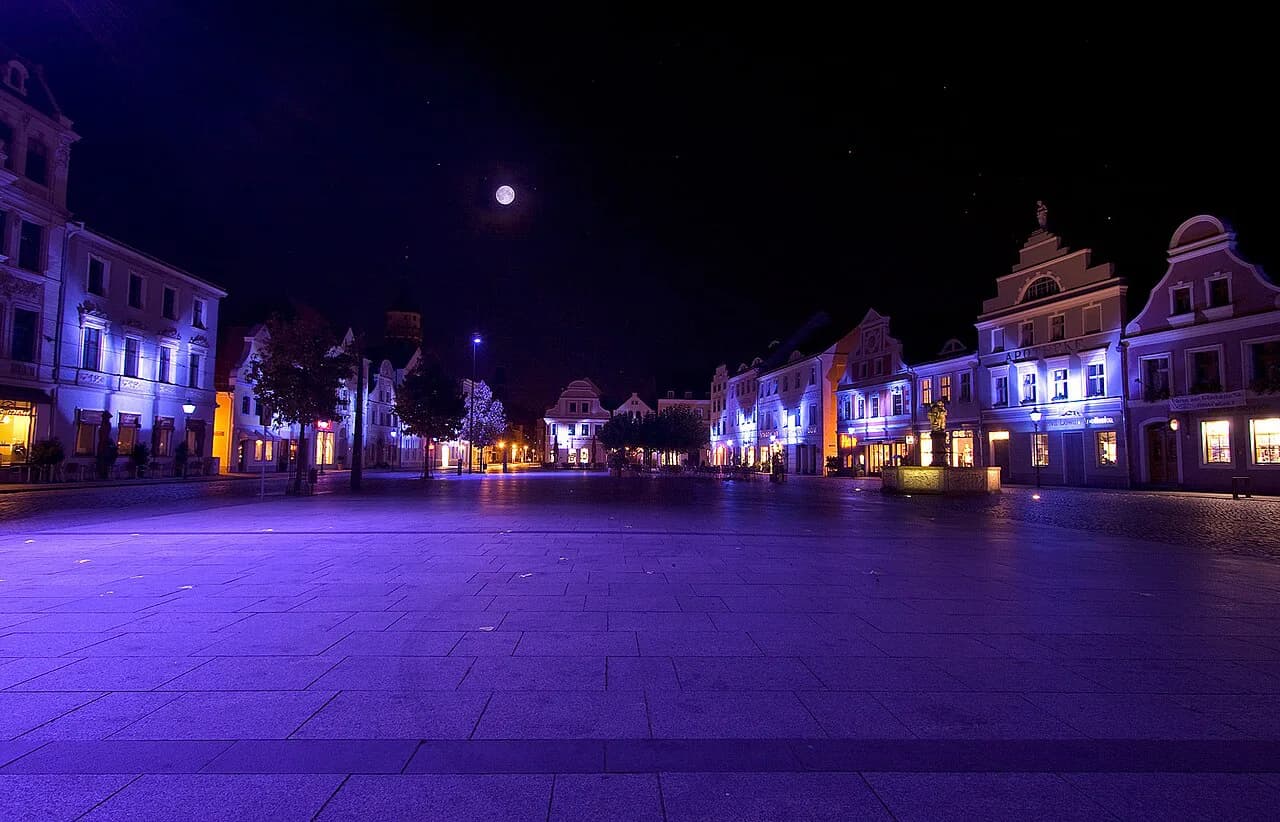
Cottbus offers a charming old town and the famous Branitz Park with its earth pyramids. While the festival is the main draw, visitors can explore the city's museums, theaters, and the Spreewald biosphere nearby.
For a full cultural experience, allow extra days before or after the festival to soak in the region's unique atmosphere. See the cottbus festival of east european cinema for first timers guide for more tips on making the most of your visit.
Frequently Asked Questions
What is the Cottbus Film Festival? It is an annual international festival dedicated to East European cinema, held in Cottbus, Germany, since 1991.
When does the Cottbus Film Festival take place? Typically in early November; the 36th edition runs from November 3–8, 2026.
Which are the biggest film festivals in Europe? Major ones include Cannes, Venice, and Berlin, but Cottbus is a key niche event for East European cinema.
Which film festivals are happening in Germany in 2026? Besides Cottbus, notable events include the Berlinale in February and the Oldenburg International Film Festival in September.
Plan Your Visit
The Cottbus Festival of East European Cinema offers an unmissable opportunity to discover bold and thought-provoking films from a vast region. Whether you're a film professional, a cinephile, or a curious traveler, Cottbus promises a memorable experience.
Keep an eye on the official website for precise dates, deadlines, and program details, and start planning your journey to this unique cinematic crossroads.
Explore more Cottbus guides
Frequently Asked Questions
What is the Cottbus Film Festival?
The Cottbus Film Festival, officially FilmFestival Cottbus, is an annual international film festival dedicated to Eastern European cinema. Founded in 1991, it showcases feature films, short films, and youth films, and serves as a key meeting point between Eastern and Western European film industries. It takes place in Cottbus, Germany.
When does the Cottbus Film Festival take place?
The festival typically runs for several days in early November. For the 36th edition in 2026, the confirmed dates are November 3–8, 2026. However, exact dates vary each year, so always check the official festival website for the latest schedule.
What are the biggest film festivals in Europe?
The three most prominent film festivals in Europe are the Cannes Film Festival in France, the Venice Film Festival in Italy, and the Berlin International Film Festival (Berlinale) in Germany. These are often referred to as the 'Big Three'. Additionally, festivals like Locarno, Karlovy Vary, and Cottbus hold significant importance in their respective niches.
Which film festivals are happening in Germany in 2026?
In 2026, Germany hosts several film festivals, including the Berlin International Film Festival (Berlinale) in February, the Cottbus Festival of East European Cinema in November, and the Oldenburg International Film Festival in September. Other regional festivals occur throughout the year in cities like Munich, Hamburg, and Frankfurt.