
Django Reinhardt Festival for First Timers: What to Expect, How to Plan
Every summer, thousands of gypsy jazz fans converge on a small corner of France for the Django Reinhardt Festival. If you're a first-timer, the event can be confusing: there's an official festival, a fringe scene, and legendary campsite jams, all with different logistics. This guide breaks down what you need to know to plan your trip, avoid rookie mistakes, and experience the music the way locals do.
The Main Festival vs. the Samois Fringe: What’s the Difference?
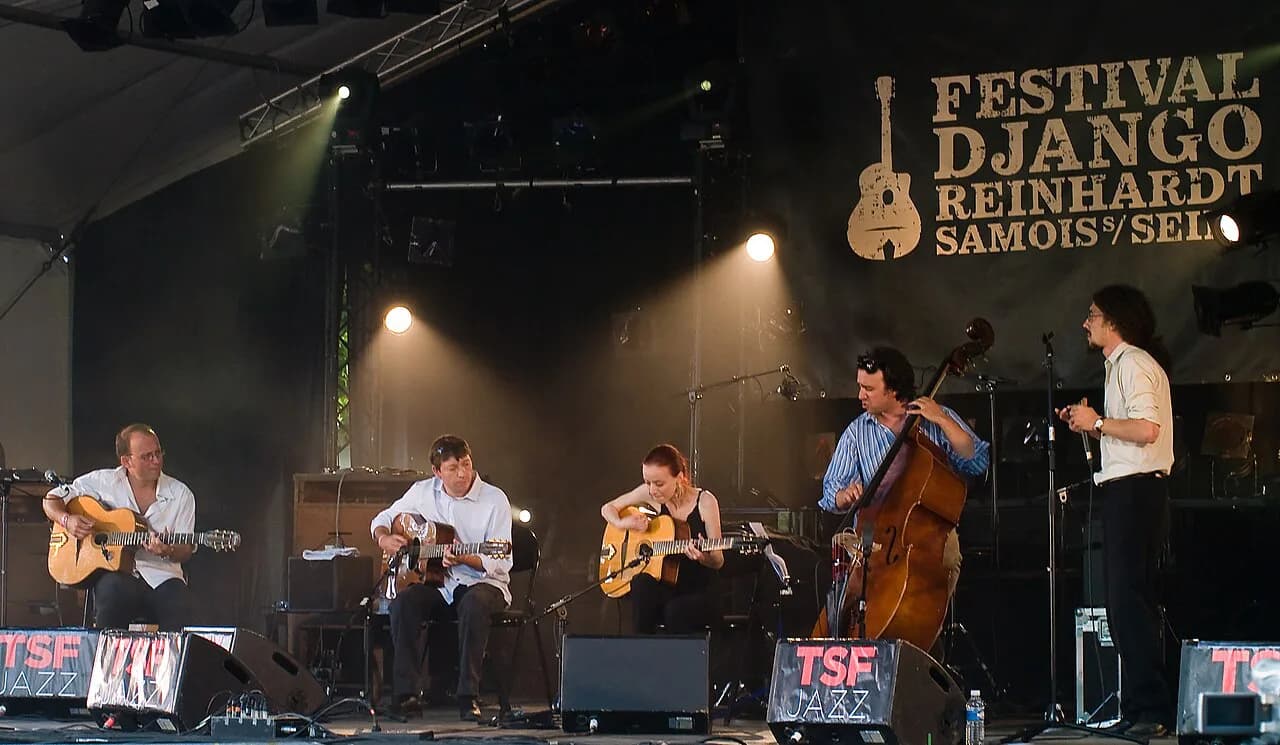
The Django Reinhardt Festival is officially held in Fontainebleau, about 50 kilometers south of Paris. Historically, it took place on a small island near Samois-sur-Seine, but after flooding, the event moved to Fontainebleau. The nickname “Samois Festival” stuck, even though the official event is no longer there. Each summer, a free pre-festival in Samois offers more traditional Django music, while the main festival in Fontainebleau features a mix of gypsy jazz and other acts, plus luthier tents and food stalls.
For first-timers, it’s essential to understand the difference. The official festival is organized, with scheduled concerts and workshops. Around it, a semi-organized fringe runs through Samois, and much of the action happens spontaneously. Many experienced attendees say the real heart of the festival is not the paid stages but the campsite jams. Check our comprehensive guide for an overview of both official and fringe events, and note that the festival does not tend to be a sellout, so you can often buy tickets at the door.
How the Festival Works: Stages, Music, and Atmosphere
The main festival in Fontainebleau runs for four days, with multiple stages hosting concerts, workshops, and exhibitions. Only a fraction of the lineup is strictly gypsy jazz; you’ll also find jazz manouche, swing, and other genres. The atmosphere is relaxed, with people picnicking on the grass and wandering between stages. This is a far cry from the intensity of the campsite jams, but it’s a great place to catch big names and discover new artists.
Don't expect the polish of a major commercial festival. The charm lies in its intimacy and community feel. You might see famous guitarists like Adrien Moignard or Paulus Schafer mingling among the crowds. Use the official program to plan which sets you want to see, but leave room for spontaneity. Since the festival rarely sells out, buying tickets in advance is convenient but not essential.
The Real Action After Dark: Jam Sessions at Samoreau Campsite
Ask any veteran where the true spirit of the festival lives, and they’ll point to the municipal campsite at Samoreau, about 3 miles from Fontainebleau. This small site transforms into a tent city where musicians and fans camp side-by-side. After the official concerts end, the jamming begins, often continuing until sunrise. You might stumble upon a 3 a.m. session with renowned players, or hear unknown gypsy guitarists who are nothing short of spectacular.
The campsite is basic and exposed, so expect extremes of weather, limited shade, and little sleep, especially on weekends. But the experience is unmatched. Many attendees skip the paid festival entirely and just camp here, soaking in the community. You don’t need a festival ticket to stay at the campsite. As one forum user put it, “This is the place to be.” For more details on the campsite and other options, see our accommodation guide.
Where to Stay: Campsites, Hotels, and What First-Timers Get Wrong
First-timers often look at hotels in Fontainebleau, but that might mean missing the campsite camaraderie. The most authentic experience is staying at Samoreau, where you can walk back to the jams after the festival ends. However, the campsite cannot be booked easily online; you typically email the municipality in French, and they’ll do their best to fit you in. If you prefer more comfort, book a hotel or guesthouse in Fontainebleau or nearby Samois, but you’ll need to travel to the jams.
Another option is the Petit Barbeau campsite on the other side of Samois, which some find more peaceful. Many experienced attendees recommend renting a bike to get around, as distances are manageable and parking can be tricky. When booking, don't confuse the official partner hostels that appear on ticketing sites—many are miles away and not where the action is. For a detailed breakdown of all options, including pros and cons of the campsites versus hotels, see our comprehensive guide.
Buying Tickets: Do You Need One and How to Secure Them
You need a ticket only for the official festival in Fontainebleau. The free events in Samois and the campsite jams are open to all, with no admission fee. Tickets can be purchased online through the official festival website or via platforms like Festicket, which also offer accommodation packages. It’s possible to buy at the door, as the event tends not to sell out, but buying in advance avoids queues and guarantees entry, especially if you plan to attend on popular days.
When searching for tickets, beware of third-party resellers that may inflate prices. Always use the official channels listed on the festival's website. If you're on a budget, consider coming for the free fringe events and camping only, as many do—yet you’ll miss the headline concerts. Some workshops require a separate ticket or badge, so check the schedule in advance. Prices vary, but as a rule, camping is far cheaper than hotel accommodation. For the latest ticket options and prices, consult our dedicated article.
Getting There: Transport, Parking, and Shuttle Logistics
The nearest major transport hub is Paris, from which you can take a train to Fontainebleau-Avon station, then a bus or taxi to the festival grounds. Many visitors drive, as parking is available, but be prepared for traffic congestion and limited spaces. The campsite at Samoreau is a few miles away, and some attendees cycle or take a shuttle service that operates during the festival. Shuttles run between Fontainebleau, Samois, and Samoreau, but schedules are not always reliable, so it's wise to confirm details locally.
Renting a bike is a popular choice, as it gives you flexibility to move between the main festival, the campsite, and Samois. If you stay in Fontainebleau, you can walk to the festival grounds. For specific transport options, including train times and shuttle routes, refer to our detailed guide on getting to the festival.
What to Pack: Essential Gear for a Django Festival Trip
Packing for the Django Reinhardt Festival means preparing for both sunny days and cool nights. Essentials include a refillable water bottle, sunscreen, a hat, and comfortable shoes for walking between venues. If you're camping, bring a quality tent, a warm sleeping bag, and earplugs—the jams can get loud and sleep is often elusive. A flashlight is useful for nocturnal bathroom trips at the campsite.
Don't forget your instrument if you play, as open jams are common and friendly. A small chair is handy for impromptu listening sessions. Basic cooking gear may add comfort, but just a few metres away you'll find a bakery and a pizza van, so you won't go hungry. For a complete packing list, see our specialized article.
Mistakes First-Timers Make: Sleep Deprivation and More
The most common mistake is underestimating the intensity of the campsite jams. Many first-timers expect a quiet night after a festival day, only to find music playing until dawn. If you truly need rest, consider staying in a hotel in Fontainebleau, away from the all-night sessions. Another error is assuming the official festival is the only event, causing you to miss the spontaneous street performances and small concerts in Samois.
First-timers may also get caught out by the weather. The festival can experience heatwaves or sudden rains, and the campsite is exposed, offering little shelter. Packing an all-weather wardrobe is essential. A more practical tip: don't over-plan every minute. The best experiences often happen when you follow the music, like wandering into a small café and finding a world-class guitarist jamming. Leave room for serendipity.
Making the Most of the Music: Workshops, Luthiers, and Gypsy Jazz Gems
Beyond the main concerts, the festival offers a rich program of workshops and masterclasses. These sessions are ideal for musicians wanting to learn from masters like Denis Chang or Gabriel Pelli, who have led workshops at various Django festivals. Attendees praise these as some of the most valuable experiences for improving their playing. Even if you don't play, watching a luthier at work reveals the craft behind the signature gypsy jazz sound.
Dedicated guitar enthusiasts should explore the luthier tents at the main festival, where top builders showcase their instruments. Many are happy to talk about the nuances of Selmer–Maccaferri replicas and the rare strings used in the genre. It's also a great place to pick up picks and practice gadgets. For a deeper dive into the educational offerings, check the official festival program when planning your days.
Budgeting Your Trip: Costs and Money-Saving Tips
A trip to the Django Reinhardt Festival can be budget-friendly if you camp and cook your own meals. The municipal campsite is inexpensive, and grocery stores are accessible. Eating out is not too pricey—there's a bakery and a pizza van nearby. The main costs are travel, accommodation, and tickets. Flying from the US or Asia can be the biggest expense, so book early. Camping at Samoreau is a fraction of the cost of a hotel, but you trade comfort for atmosphere.
Many attendees say the best value is the friendship and musical exchange you gain from camping, not the money you save. If you’re flexible with your dates, you might find cheaper flights mid-week. Also, consider sharing costs with fellow travelers: ride-sharing, splitting groceries, and pitching tents together can cut costs. For a detailed cost breakdown, check our guide, which outlines typical expenses without quoting exact prices.
Plan Your Visit
Attending the Django Reinhardt Festival is more than just a concert trip—it’s an immersion into a vibrant community. By understanding the landscape—the official festival, the free fringe, and the legendary campsite—you can tailor the experience to your style. Whether you come for the music, the camaraderie, or to hone your skills, you’ll leave with memories of late-night jams under the stars.
Start planning early, book your accommodation and travel ahead, and embrace spontaneity. The festival’s magic often lies in the unexpected moments, so keep your ears open and your schedule flexible. For comprehensive tips on tickets, lodging, transport, and packing, explore our guides on the Django Reinhardt Festival. We’ll see you at the campsite.
Frequently Asked Questions
Is Festival Django Reinhardt the same as the Samois festival?
Yes and no. The official festival used to be held near Samois-sur-Seine, but moved to Fontainebleau after flooding. The nickname 'Samois' stuck, but the official event is now in Fontainebleau. A separate free pre-festival is still held in Samois itself.
What is the official website to buy tickets?
The official ticket portal is the festival's own website, linked from our guide. You can also buy via partners like Festicket, or at the gate. To avoid overpaying, always use verified channels.
Where is the main camping area?
The most popular camping spot is the municipal campsite at Samoreau, about 3 miles from Fontainebleau. Many musicians and hardcore fans stay there. It cannot be booked online; you typically email the municipality in advance.
Do you need a festival ticket to camp?
No. The campsite at Samoreau is public, and you camp regardless of whether you attend the paid festival. The free events in Samois and the campsite jams are open to everyone, but the official concerts require a ticket.
What is the atmosphere like at the campsite jams?
Energetic, communal, and intense. Musicians and fans from all over the world gather, jamming through the night until sunrise. It's not unusual to see famous players like Adrien Moignard joining informal sessions. Expect little sleep, especially on weekends.
How do I get from Paris to the festival?
Take a train from Paris to Fontainebleau-Avon station, then a bus or taxi to the festival grounds. Driving is possible, but parking is limited. Free shuttles often run between Fontainebleau, Samois, and Samoreau during the festival.