
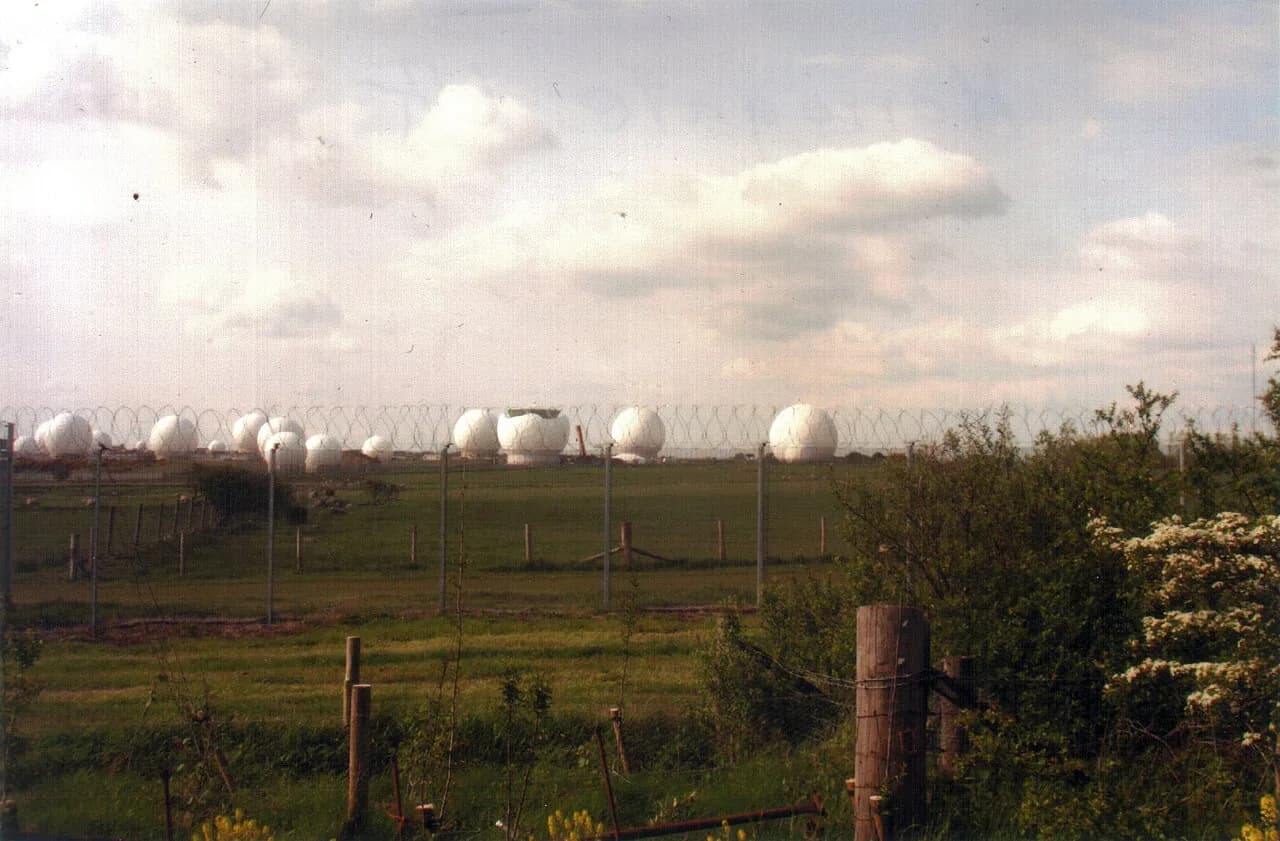
Echelon for First Timers: A Complete Guide to Planning Your Visit
First time at Echelon? You're not alone. Many attendees arrive with excitement but also plenty of questions: What exactly is Echelon? How does it work? What should I expect? Whether you're drawn by the music, the community, or the unique atmosphere, getting a handle on the basics before you go will make your first experience far smoother. Understanding the event's structure and what's expected of you as a participant is the first step to truly enjoying it.
Before we dive in, it's worth noting that the name 'Echelon' can be confusing. It's used for a range of things, from military formations to fitness programs and even firearms. This article focuses on the festival in Bad Aibling, Germany, which is what most people mean when they search for 'Echelon for first timers'. For a broader look at the term and its many meanings, check out our comprehensive guide, Echelon: Unpacking the Many Meanings of a Powerful Word.
How Echelon Works: A Simple Overview
Echelon is a multi-day music and arts festival held at Bad Aibling Station, a former US military base turned creative hub. The event features multiple stages, immersive art installations, and a focus on electronic music and community. For first-timers, the key is to understand that it's not just a concert — it's an experience that unfolds over days. You'll find a schedule of performances, workshops, and other activities, all designed to create a shared journey.
The event typically operates with a village-like setup: you'll have areas for camping, food vendors, and communal spaces. The festival's structure often includes themed days or 'takes' on the Echelon concept, so it's worth checking the official program once it's released. Since dates and line-ups change each year, always verify the current edition's details on the official ticketing page, where you can also find information on pricing and packages.
What to Expect at Your First Echelon
Expect a sensory overload in the best way. The festival grounds, with their industrial history, provide a raw and expansive backdrop. You'll see art installations that come alive at night, hear music from a variety of genres beyond just headliners, and meet a crowd that's generally open and welcoming. But it's also intense: the scale can be overwhelming, and the constant stimulation means you need to pace yourself.
Practical considerations are just as important. Bad Aibling Station is not in a major city, so you'll need to plan your travel carefully. Whether you're driving, taking a train, or organizing a carpool, make sure you know your route in advance. If you're coming from abroad, factor in potential jet lag and give yourself time to adjust. For specific transport guidance, our guide on how to get to echelon will walk you through the options.
Common Mistakes First-Timers Make
One of the biggest mistakes is underestimating the importance of comfortable footwear. You'll be on your feet for hours, walking between stages and across uneven terrain. Flip-flops and brand-new shoes are a recipe for blisters. Another common error is overpacking your days with scheduled sets, leaving no room for spontaneous discovery — which is often the heart of the festival experience.
Many newcomers also forget that Echelon can be physically demanding, from the elements to the late nights. Sunburn and dehydration are common, as is exhaustion from not sleeping enough. Finally, don't neglect to research the festival's rules on what you can bring in — from alcohol to cameras — because a surprise at the gate can put a damper on your day. Always check official communications for the most current regulations.
How to Plan Your Echelon Day
Start by reviewing the schedule that's released closer to the event. Prioritize the acts and activities you absolutely don't want to miss, but build in buffer time for meals, rest, and wandering. The festival day often starts late and runs into the early hours, so don't feel pressured to be up at dawn. Instead, plan for a late-morning start to conserve energy for the night.
Decide where you're staying early. Options might range from on-site camping to accommodations in nearby towns. Each has trade-offs: on-site means you're always in the action but you trade off some comfort; off-site might offer better sleep but requires transit. To weigh these options, check our thorough rundown on where to stay for echelon, which breaks down the pros and cons of different bases.
What to Bring / How to Prepare
Your packing list should be a balance of comfort and practicality. Bring layers, as evenings can get cool even in summer. A reusable water bottle is essential, as is sun protection during the day. A power bank for your phone is a must, since charging stations are often crowded. And don't forget earplugs — not just for sleep, but to protect your hearing at loud sets.
Beyond the basics, pack items that make you feel at home in a crowd: a bandana for dust, a lightweight backpack, and a small stash of snacks. If you're camping, bring earplugs and a sleeping mask. It's also wise to make a photocopy of your ID and keep it separate from your wallet. For a more detailed list that covers every scenario, refer to our echelon packing list, which is broken down by category.
Tips for Getting the Most Out of Echelon
Approach your first Echelon with an open mind. The festival's magic often lies in the unexpected: a random DJ set, a conversation with a stranger, or an art piece that resonates. Don't glue yourself to the main stage; explore the smaller, hidden areas. Also, take care of your body — stay hydrated, eat regularly, and grab power naps if you need them. You'll enjoy much more if you're not running on empty.
Finally, remember that Echelon is what you make of it. Engage with the art, participate in workshops, and talk to people. The community aspect is central to the experience, so don't shy away from it. And if you're already thinking about coming back, keep an eye on the official channels for announcements about future editions.
Plan Your Visit
Your first Echelon is a chance to step into a world that's as creative as it is chaotic. By understanding how the event works, knowing what to bring, and avoiding the typical pitfalls, you're setting yourself up for an unforgettable experience. The key is to balance preparation with flexibility — plan the essentials, then let the festival surprise you.
Remember, the only wrong way to do Echelon is to not go. All the details, from tickets to tips, are in the resources linked above, so take the time to review them. Then get ready to join the community that makes this event special. See you on the grounds!
Frequently Asked Questions
What is the best first handgun for a beginner?
This question often pops up in searches for 'Echelon', but it actually relates to the Springfield Echelon pistol. For a beginner, the best first handgun is typically a full-size 9mm like the Springfield Echelon, as it offers manageable recoil, reliable performance, and easy operation. However, 'best' depends on hand size, strength, and intended use. Many experts recommend renting a few models at a range to see what feels comfortable before buying. Always take a firearms safety course first.
Which gun is best for first time buyers?
For first-time buyers, a 9mm polymer-framed striker-fired pistol is often recommended because it balances capacity, recoil, and simplicity. The Springfield Echelon is a strong contender, but other popular options include Glock 19 and SIG Sauer P320. The key is to handle different models, consider ergonomics, and start with a model that fits your budget for both the gun and accessories like holsters and extra magazines.
Is the Echelon good for concealed carry?
The Springfield Echelon is a full-size pistol, which can be challenging for concealed carry due to its size and weight. However, with the right holster and clothing, it's possible for some people. It's more commonly recommended for open carry or home defense. For concealed carry, smaller options like the Springfield Hellcat are often preferred. Always check local laws and practice with your specific setup.
What five guns should everyone own?
That's subjective, but a common list would include a full-size 9mm handgun for home defense (like the Springfield Echelon), a compact pistol for concealed carry, a.22 LR for inexpensive training, a 12-gauge shotgun for versatility, and an AR-15 rifle for its reliability and flexibility. Each serves a distinct purpose, but the priority depends on your needs and preferences. New shooters should start with one reliable firearm and learn it thoroughly.