
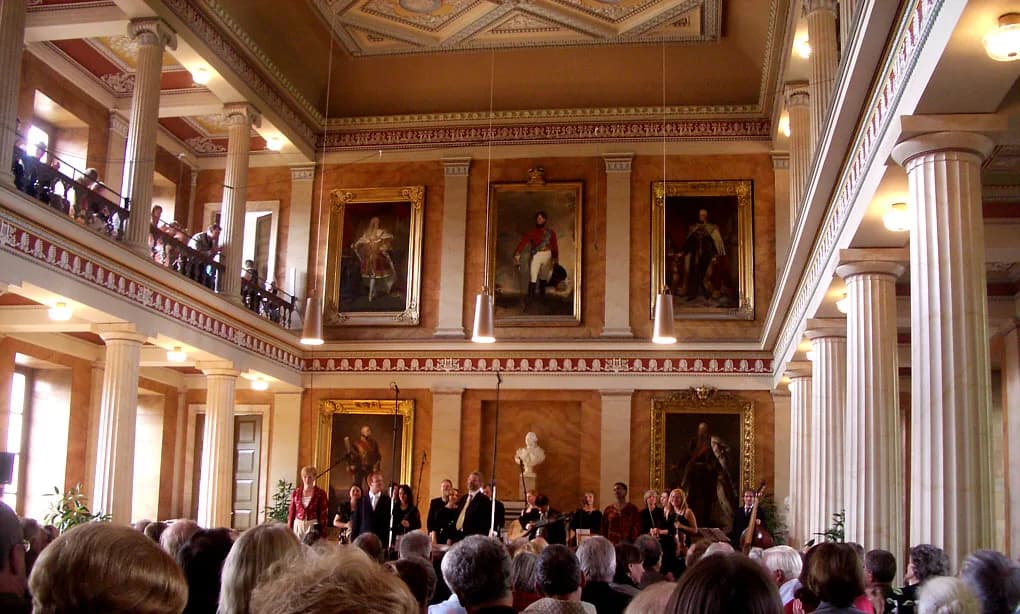
Göttingen International Handel Festival for First-Timers: What to Know Before You Go
The Göttingen International Handel Festival, known locally as the Internationale Händel-Festspiele Göttingen, is the world's oldest festival dedicated to early music. Since 1920, it has transformed the German university town each spring with performances of George Frideric Handel's operas, oratorios, and chamber works, drawing thousands of visitors from around the globe.
For first-timers, the festival's scale can be surprising: in a single edition, it presents around 96 events spread across multiple venues in Göttingen and nearby towns. This guide walks you through how the festival works, how to pick events, and the common pitfalls newcomers face, so you can focus on enjoying the music rather than figuring out logistics.
A Historic Festival with a Modern Spirit
The festival was established in 1919 by art historian Oskar Hagen, who staged Handel's opera Rodelinda in 1920. That production is widely credited with sparking the 20th-century revival of Handel's operas. Today, the festival remains a showcase for historically informed performances, often featuring world premieres of critical editions, such as the 2015 staging of Agrippina based on the Halle Handel Edition.
Festival Dates and Scale: What to Expect
The 2026 edition runs from May 14 to 25, during Ascension and Pentecost, under the motto "ENTICEMENT." This period aligns with German public holidays, making it a natural time for locals and international visitors alike. The festival's 96 events bring together around 550 artists, with more than 16,500 guests attending the previous edition—a record that reflects the city-wide celebration.
How the Festival Works: Venues, Events, and Formats
The festival spans multiple venues across Göttingen and surrounding towns. Performances range from grand opera productions at the Deutsches Theater to intimate chamber concerts in historic churches. Many events are ticketed, but the program also includes free or low-cost offerings such as open-air cinema, family events under Händel4Kids, and the göttingen händel competition, where young musicians vie for prizes.
Operas and oratorios are the centerpiece, but you will also find recitals, lectures, and workshops. If you are new to baroque music, a small chamber concert can be more approachable than a full-length opera. The festival's website publishes a detailed calendar with event descriptions, which helps you navigate the choices.
Understanding Tickets and Pricing
Tickets go on sale well before the festival, and popular events like the opening gala and festival opera often sell out quickly. Prices vary by venue and event type, but the festival offers reduced rates for students and young people. Since specific prices are not publicly listed in advance, check the official website or our dedicated ticket guide for current details.
When booking, note that some events may be in German, especially those with spoken text. For operas, supertitles in German and sometimes English are provided—verify this when purchasing, as it can affect your enjoyment if you do not speak German.
Planning Your Festival Schedule
Start by identifying the events you absolutely cannot miss—perhaps the festival opera Deidamia or the Messiah performance. Then fill in smaller concerts that start earlier or end later in the day. Avoid booking back-to-back events at different venues without checking travel times between them; the city center is walkable, but some venues are in outer districts.
Remember that many locals attend multiple events over several days, so do not try to see everything in one trip. Focus on two or three highlights each day and leave time for spontaneous discoveries, like a free lunchtime concert or an open rehearsal.
A Day at the Festival: What to Expect
On a typical festival day, you might start with a morning lecture, attend an afternoon chamber concert, and end with an evening opera. Venues are spread across Göttingen, so allow at least 15-30 minutes between events to walk or catch a bus. Many events are held in churches without heating, so bring warm layers even in May.
During intervals, you can grab a drink or snack at the venue's foyer, but options may be limited. Plan to eat before or after the performance at one of the city's many restaurants. The festival atmosphere extends into the streets, with outdoor events and concerts in public squares on weekends.
Common First-Timer Mistakes to Avoid
One of the biggest mistakes is overbooking your schedule. With so many events, it is tempting to fill every slot, but this leads to fatigue and missing the intimate moments that make the festival special. Instead, leave gaps for meals and walks through the historic old town.
Another common pitfall is ignoring smaller events, which often offer the most personal encounters with musicians. Also, check venue distances before buying tickets—towns like Einbeck or Hann. Münden feature in the program, and travel times can eat into your day. Arrive at least 20 minutes early to find your seat and soak in the atmosphere.
Practical Information: Getting There, Where to Stay, and Eating
Göttingen is well-connected by train, with direct ICE services from Frankfurt and Hanover. The festival venues are mostly in the city center or a short bus ride away. For accommodation, it is wise to book early—hotels fill up during the festival. Our guide to where to stay offers neighborhood recommendations and tips for finding rooms.
When it comes to dining, Göttingen has a vibrant food scene, from traditional German taverns to international cuisine. Many restaurants are near the main venues, but reservations are recommended for dinner before the opera. If you are on a budget, look for student-friendly eateries around the university.
Beyond the Music: Festival Experiences
The festival is not just about concerts. Händel4Kids offers family-friendly productions and hands-on workshops, while the göttingen händel competition features emerging ensembles and soloists vying for awards. You can also attend talks, symposia, and meet artists at informal gatherings. These events provide a deeper insight into baroque music and are often more relaxed.
A perennial favorite is the open-air cinema, which screened the opera Deidamia in 2026—a perfect way to experience a production in a relaxed setting. For those who want to explore the region, satellite events in nearby towns like Einbeck add a scenic dimension to the festival itinerary.
Plan Your Visit
Your first visit to the Göttingen International Handel Festival promises to be a memorable deep dive into baroque music in a charming university town. The key is to plan ahead without overloading your schedule, leaving room for spontaneous musical discoveries.
Start with the official festival website for the most current program and booking details, then use our guides to refine your accommodation and travel plans. With a little preparation, you will join the thousands of guests who make this historic festival part of their spring tradition.
Frequently Asked Questions
When does the Göttingen International Handel Festival take place?
The 2026 festival runs from May 14 to 25, during the public holidays of Ascension and Pentecost. The festival typically takes place over about 12 days in mid-to-late May. For specific dates of future editions, check the official festival website.
Where can I buy tickets?
Tickets are available through the official Göttingen International Handel Festival website and at the festival's box office. You can also purchase tickets through authorized ticket agencies. For detailed information, check our guide to tickets for the festival.
How many events are there?
The festival presents around 96 events per edition, including operas, concerts, oratorios, workshops, and family programs. This gives visitors a wide range of choices, from full-scale productions to intimate chamber recitals.
Are there concerts suitable for beginners?
Yes, the festival offers many accessible events. Chamber concerts and lunchtime concerts are often more approachable for newcomers to baroque music. The festival also has a Händel4Kids program for families. You can also choose shorter events to ease into the experience.
Is the festival in English?
Most performances are sung in the original languages, primarily Italian or English for Handel's works. Spoken introductions or lectures may be in German, and some operas have German or English supertitles. It is best to check with the festival for each event's language details.