
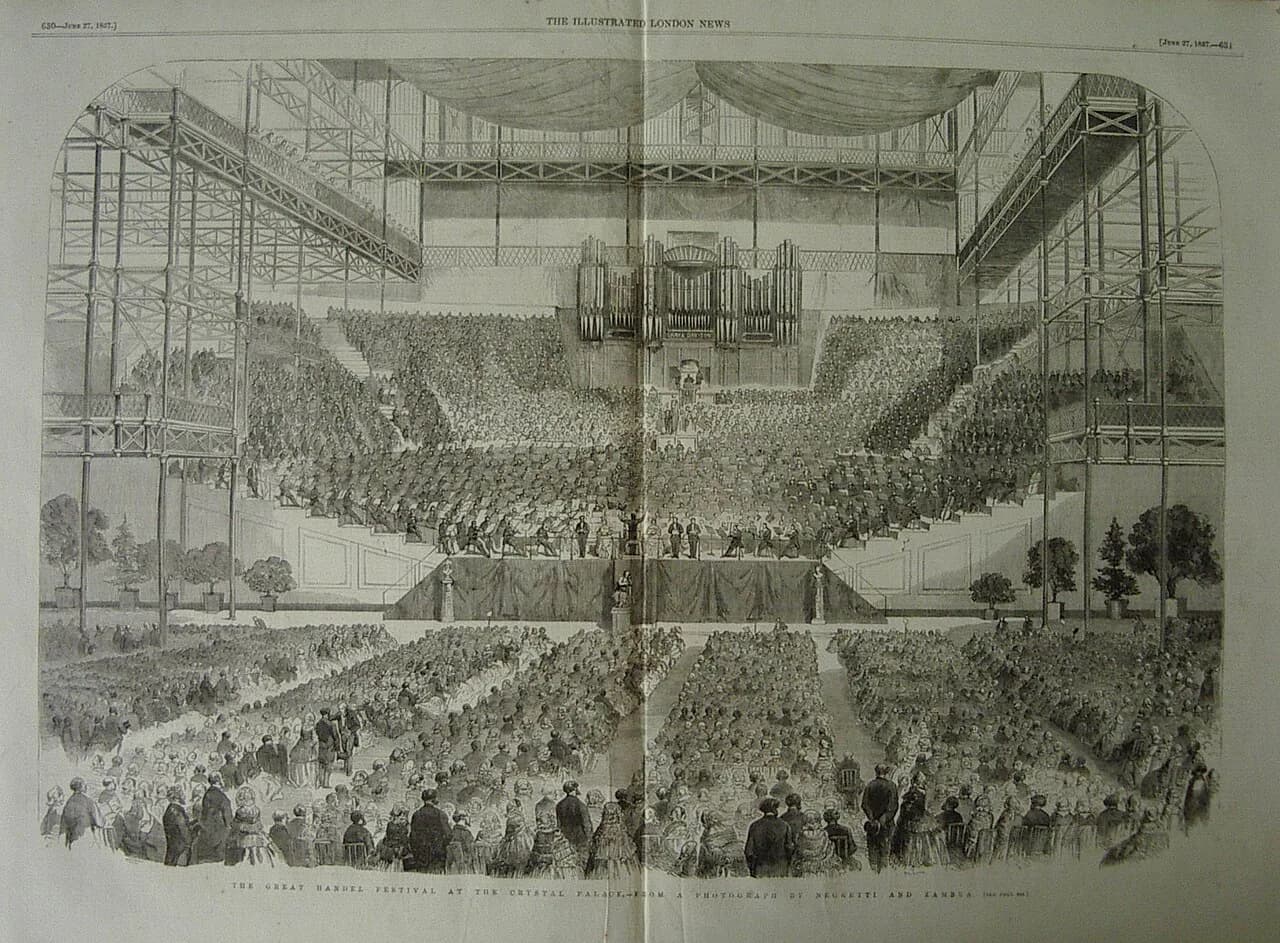
Handel Festival for First-Timers: Planning Your Visit
Attending a Handel festival for the first time can feel overwhelming: multiple venues, a packed program, and a devoted audience that seems to know every aria by heart. But with a little preparation, you can turn that overwhelm into a smooth, memorable experience. Start by orienting yourself with the festival's structure—most editions feature a central theme, performances across various churches and concert halls, and a mix of opera, oratorio, and chamber music.
In this guide, we focus primarily on the Händel-Festspiele Halle in Germany, the world's largest festival dedicated to Handel's music, held annually in his birthplace. We'll also draw on insights from other major festivals like the London Handel Festival to give you a well-rounded perspective. Whether you're a classical music novice or a seasoned concertgoer, these tips will help you navigate your first Handel festival with confidence.
Understanding the Handel Festival
The Handel Festival in Halle (Saale) is an annual celebration of George Frideric Handel, who was born there in 1685. Typically held in June, the festival transforms the city into a stage for Baroque music, with operas, oratorios, and concerts performed in historic venues like the Marktkirche and the Handel House. The festival often adopts a specific theme—such as "Handel and Europe"—that shapes programming and talks.
Other festivals, like the London Handel Festival, operate similarly. Founded in 1978, it is based at St George's, Hanover Square, where Handel himself worshipped. Themed years, such as "Handel's London," offer deeper exploration of his life and times. As music director Laurence Cummings notes, each festival aims to present not just well-known works like Messiah but also rare gems that benefit from a dedicated audience.
Planning Your Visit: Tickets and Timing
Plan well ahead: festival programs are typically published months in advance, and popular performances sell out quickly. For Halle, check the official website for announcement dates and book tickets early, especially for opening and closing concerts. Consider midweek performances, which tend to be less crowded than weekend showcases.
If you're flexible, attending a mid-week performance can also make it easier to find accommodations. For a central place to stay within walking distance of main venues, browse our guide on where to stay for the handel festival. Many visitors choose to stay in the old town to maximize convenience.
What to Wear and What to Bring
Dress smart-casual: most festival attendees wear business casual or cocktail attire for evening concerts, but daytime events are more relaxed. Comfortable shoes are essential, as you'll likely be walking between venues—churches and concert halls often require a short walk. Carry a small bag with essentials like a water bottle (sealed), earplugs for loud passages, and a light wrap for air-conditioned halls.
Check the weather forecast in advance: Halle's June weather can be warm, but occasional rain is possible. An umbrella or light raincoat is handy. For a comprehensive checklist, consider our handel festival packing list. Remember, some venues have dress codes—check your ticket or the festival website for specifics.
Making the Most of the Festival
Don't just attend concerts: festivals offer talks, masterclasses, and behind-the-scenes opportunities that enrich your understanding. At Handel Week in Oak Park, Illinois, for example, each performance is surrounded by lectures and program notes. Look for similar add-ons at the festival you're attending.
Take advantage of pre-concert talks or introductory lectures: they provide context that makes the music more accessible. Many festivals also offer discounted tickets for under-30s or students—ask at the box office. And remember to pace yourself: it's tempting to pack every slot, but scheduling free time to explore the city enhances the overall experience.
Mistakes to Avoid
First-timers often underestimate the physical and mental stamina required: you'll be walking, standing, and listening attentively for hours. Avoid over-scheduling; plan at most two performances per day with breaks in between. Also, don't assume every venue is the same—historic churches can be cold or have poor sightlines, so research seating before booking.
Another common pitfall is arriving late: many performances start promptly and latecomers are often seated only at intermissions. Allow extra time for navigation, since venues like St George's, Hanover Square, have limited facilities and changing areas. As Laurence Cummings pointed out, restricted view seats are common in the church, so choose your seats carefully—check each venue's seating plan when booking.
Inside Knowledge: Perspectives from Musicians and Organizers
Music directors like Laurence Cummings emphasize that festivals are about discovery, not just favorites. Cummings, who also directs the Göttingen International Handel Festival, notes that it's difficult to pick highlights when everything is great—but that's a luxury for the audience. He encourages attendees to step outside their comfort zone and try lesser-known works, as festivals often revive rarely performed pieces that deserve an audience.
Festival organizers also stress that the atmosphere is welcoming to newcomers. Dennis Northway, Artistic Director of Handel Week, welcomes audiences with "warmest welcomes" and emphasizes the family-like community. Don't hesitate to ask fellow attendees for recommendations—they're usually passionate and happy to share insights.
Exploring Other Handel Festivals
If you're bitten by the Handel bug, consider visiting other festivals. The London Handel Festival, for instance, offers a rich program from March to April each year, often with four operas and rare oratorios. Similarly, the Göttingen International Handel Festival in Germany is a major summer event. For a smaller, community-based experience, Handel Week in Oak Park, Illinois, runs for a week and features concerts with lectures.
Each festival has its unique character: London's merges the composer's history with the city's grandeur, while Oak Park's emphasizes intimacy and educational outreach. Decide what matters to you—whether it's rare performances, modern venues, or a cozy atmosphere—and plan accordingly.
Our Recommendations for New Attendees
For your very first Handel festival, start with a well-established one like the Händel-Festspiele Halle. Its rich program and historical setting provide a perfect introduction. Prioritize a few must-see performances, but leave room for spontaneity: stroll by the Handel House museum and soak in the festival atmosphere. Book your accommodation early, ideally near the old town to be close to venues.
Plan Your Visit
With a bit of planning, your first Handel festival can be a rewarding, immersive experience. Focus on a few highlights, prepare for long days, and keep an open mind to unfamiliar works. The festivals are welcoming to newcomers—trust that the music will speak for itself.
Before you set off, verify dates and programs on the official festival websites, as schedules are subject to change. For travel logistics, our getting to the handel festival guide will help you navigate Halle. Above all, enjoy the music—Handel's timeless works are worth the journey.
Frequently Asked Questions
What are some tips for first-time festival goers?
Tips include: book tickets early, plan only two performances per day, dressing in layers for varying temperatures, and arriving early to ensure good seating. Also, attend pre-concert talks to get context, and don't hesitate to try lesser-known works.
What should I bring to my first music festival?
Bring comfortable shoes for walking, a small bag with a sealed water bottle, earplugs, a light jacket or wrap (for air-conditioned or cold churches), and perhaps an umbrella or raincoat. Check the weather forecast and any dress codes for the venues.
How to get into music festivals for free?
Some festivals offer free events like daytime concerts or talks. Volunteer positions may also grant free entry. Check the festival's website for free events or discounts; for example, many festivals offer reduced prices for under-30s or students.
What is the best way to plan a day at a classical music festival?
The best way is to prioritize one or two performances per day, allow time for walks between venues, and schedule breaks for relaxation. Check the festival program in advance, book seats with good sightlines, and consider attending pre-concert talks to enrich your understanding.