
How to Get to the Swabian-Alemannic Carnival: Rail, Transit & Travel Tips
The Swabian-Alemannic Carnival, known locally as Fasnet, is a centuries-old tradition celebrated across the Black Forest region of Baden-Württemberg, with high days in February between Epiphany and Ash Wednesday. Unlike the larger Rhine carnival, it features witches, devils, and wooden masks, with parades in towns like Rottweil, Villingen, and Elzach. Understanding how to get to the swabian-alemannic carnival is key, as these celebrations draw large crowds and local transport operates on special schedules.
Planning your arrival requires focus on rail and local transit, as the festival's village locations can be remote and parking limited. The swabian-alemannic carnival takes place in small towns where car traffic near parade routes is often restricted. This guide explains the best ways to reach the action by train, bus, and car, and how to get back safely after evening events.
Carnival Regions and Key Towns to Reach
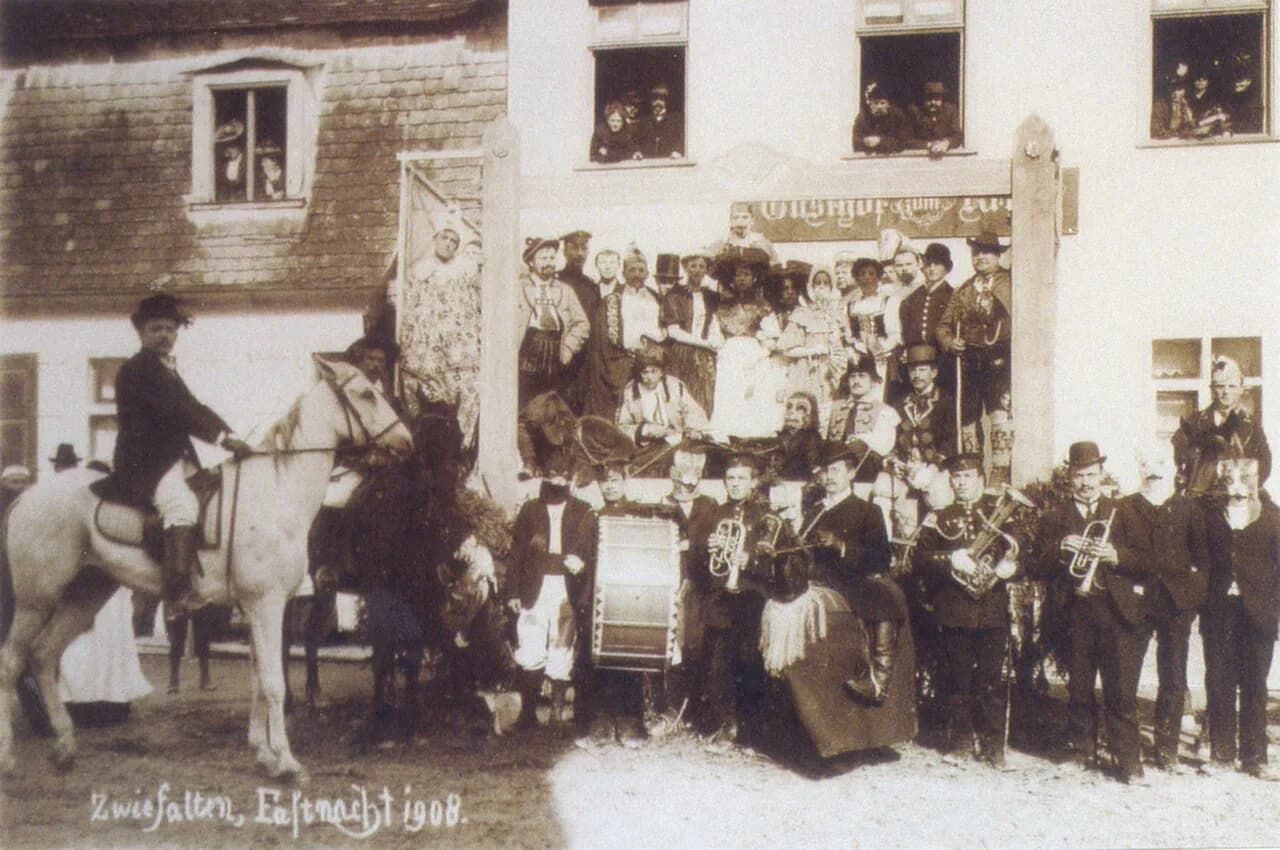
The Swabian-Alemannic Fastnacht, also called Fasnacht, is rooted in Alemannic folklore in southwest Germany and extends into Switzerland and Vorarlberg, Austria. In the Black Forest, traditional towns include Rottweil, Villingen-Schwenningen, Elzach, Oberndorf am Neckar, and others that host 'Narrensprung' parades. Each town has its own parade character and route, and they are all accessible by regional rail from major cities.
Rottweil and Oberndorf lie on the Stuttgart–Rottweil rail corridor, while Villingen and Elzach are served by branches from Freiburg or the Rhine Valley. The regional train network is your lifeline, and local bus routes fill the gaps between smaller villages.
Getting There by Train: Rail Hubs and Connections
For most visitors, the main international gateways are Stuttgart, Freiburg im Breisgau, and Basel (in Switzerland), each offering direct or regional connections to carnival towns. From Stuttgart, regional express trains head to Rottweil and Villingen; from Freiburg, trains run east into the Black Forest and to Elzach. If you are coming from elsewhere, these hubs are the easiest points to switch to the regional networks, so use a journey planner like the Deutsche Bahn app to check live links.
Note that Fasnet parades and events often start as early as 4am in some regions, so verify the first train times if you plan an early start. Similarly, last trains may leave before the final parade ends, so check return options in advance, especially on weekends when service is less frequent.
Using Local Transit and Carnival Shuttles
On parade days, local transit is the smartest way to get around, as road closures and parking chaos bring traffic to a standstill. Many towns, such as Villingen and Rottweil, operate special shuttle buses from park-and-ride lots on the edges of town. Local bus networks adjust with temporary stops and detours, so pick up a schedule at the tourist office or the bus operator's website.
In Rottweil, for example, parking lots outside the old town are linked by shuttle service during the Narrensprung, and similar arrangements exist in other municipalities. Be sure to check whether shuttles run after the parade ends, or you may face a long walk back to your car.
Driving and Parking Realistically
If you decide to drive, expect that roads through town centres will be blocked for hours during parades, and parking near the action is extremely scarce. Many locals recommend arriving before dawn to grab one of the limited spots, but even parking garages fill quickly. Use the park-and-ride facilities that many towns set up for carnival, and be prepared to walk or wait for a shuttle.
Also watch for temporary no-parking zones on parade routes, which are often cleared early in the morning. If you are staying at a hotel within the town, ask about reserved parking, as many provide permits for guests.
Late-Night Returns After Evening Events
Evening events, such as costume balls and larger parades that run late, can end after regular train service stops, a common challenge for attendees. Train schedules vary by route and day, so check the last departure time for your specific line before heading out.
A good strategy is to stay overnight in the carnival town and travel back the next morning, a suggestion that links naturally to where to stay for swabian-alemannic carnival planning. If you must return the same day, confirm the last connection before you go and keep the numbers of local taxi services.
Cross-Border Options: Switzerland and Austria
The Swabian-Alemannic carnival is also celebrated in neighbouring regions, including Basel in Switzerland, where the highlight is the Morgestraich at 4am, and in Vorarlberg, Austria, where it is called Fasnat. You can reach Basel by rail from Freiburg in about 45 minutes, and from Basel SBB regional trains head to German towns like Weil am Rhein and on to Waldshut. For Vorarlberg, the Austrian federal railway (ÖBB) connects cities like Bregenz and Dornbirn with local towns including Bludenz, and bus routes extend to smaller villages.
When crossing the border, carry your passport or ID, and note that train tickets from Germany may not be valid in Switzerland, so purchase separate tickets or use a rail pass that covers both countries.
Practical Tips for a Smooth Trip
To stay flexible, download real-time travel apps like DB Navigator or the local transport provider's app, and save offline maps. Booking train tickets in advance often secures lower prices on high-speed services, though regional tickets are valid all day. For first-timers, read the guide to swabian-alemannic carnival for first timers to understand parade etiquette and key traditions, which will help you arrive at the best spots.
Check official town websites for detailed event schedules and transport reroutes, as these change annually. The Black Forest tourist board also publishes a carnival events calendar in German, which is your most reliable source of dates.
Final Checklist for Your Fasnet Journey
A smooth carnival trip comes down to a few key preparations: check train times the day before, bring comfortable walking shoes, and carry cash for bus tickets and souvenirs. Confirm the parade route and the nearest station in advance, and save the local transport hotline.
With these transport strategies, you can focus on the witches, fools, and brass bands that define the Swabian-Alemannic carnival, as described by the Black Forest tourism board. Verify current schedules on official transport websites before you go, since special holiday service is common during the carnival season.
Plan Your Visit
Getting to the Swabian-Alemannic carnival requires careful transport planning, but the rail network of Baden-Württemberg, Switzerland, and Austria makes it accessible. Focus on trains and local buses to avoid parade-day traffic, and always check return times.
Whether you're aiming for Rottweil's Narrensprung or the Basel Morgestraich, the key is to research connections, arrive early, and stay flexible. Combine your transport plan with where to stay for swabian-alemannic carnival, and you'll have all you need for an authentic Fasnet experience.
Frequently Asked Questions
What does Fasnacht mean in German?
Fasnacht, also spelled Fastnacht, is the German term for carnival in certain regions, particularly in the south-west. It derives from 'fasten' (to fast) and 'nacht' (night), referring to the eve before the Lenten fast. In the Alemannic tradition, it is also called Fasnet or Fasnat.
How do I get around the Black Forest during Fasnet?
The best way to get around is by train using regional connections between towns such as Freiburg, Villingen, and Rottweil, and by local buses within each town. Many towns organize shuttle buses from park-and-ride lots to parade routes. Walking is often easiest, as town centers close to traffic. Check local schedules, as special carnival services may be added.
What are the transport options for returning late after Fasnet parades?
After evening events, your options include last trains, which typically run until around midnight, night buses in some larger towns, and taxis or ride-shares. As train service ends, you may need to plan for a taxi or consider staying overnight. Always check the last departure time and book taxi numbers in advance.
Where is the biggest Carnival celebration in Germany?
The biggest Carnival in Germany is traditionally in Cologne, part of the Rhine carnival. In contrast, the Swabian-Alemannic carnival is not a single big city event but spreads across numerous towns in the Black Forest, with individual celebrations such as in Rottweil being significant historically but not largest by attendance. Each region has its own character.