
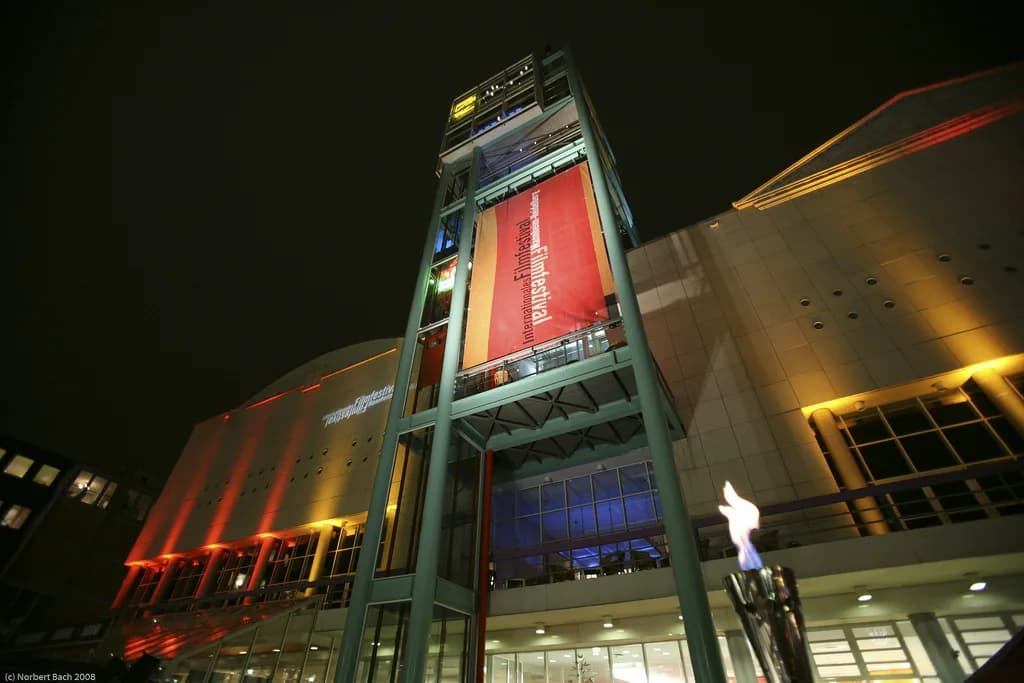
International Filmfestival Mannheim-Heidelberg (IFFMH): What to Expect & How to Plan Your Visit
The International Filmfestival Mannheim-Heidelberg, commonly abbreviated as IFFMH, is a prominent annual film event that takes place in two neighboring German cities. Each November, it presents a curated selection of films that emphasize innovative storytelling and directorial vision, setting it apart from larger, more commercial festivals. For first-time attendees, the dual-city format and the festival's specific artistic focus can be both intriguing and slightly complex to navigate, so planning ahead is essential.
IFFMH's program is built around the concept of the "New Film Experience," prioritizing works that push boundaries and reflect a strong authorial voice. If you are looking for a festival that values artistic experimentation over red-carpet glamour, this is a compelling destination. Because the exact dates and program details change every year, this guide explains the festival's typical structure and helps you find the most reliable and current information.
When does IFFMH take place?
IFFMH is an annual event that consistently takes place in November. For instance, the 75th edition was scheduled for 5–15 November, and past editions have run in mid-to-late November, showing that the festival typically spans about two weeks. However, exact dates vary from year to year, and the official website posts the confirmed dates for the upcoming edition well in advance. For the most reliable planning, confirm the dates on the official site before making any travel arrangements.
Be aware that the festival's anniversary retrospective for 2026 focuses on "Utopias vs. Dystopias," adding a thematic layer to the program. To avoid planning around outdated information, always check the official website's news section for updates. If the exact dates are crucial for your travel, confirm them directly before booking flights or accommodation.
Where does the festival happen?
As the name suggests, IFFMH unfolds across both Mannheim and Heidelberg, with screenings and events spread throughout each city's cinemas and cultural venues. In addition to cinema halls, the festival has hosted special open-air screenings in unusual settings, such as a summer showing of "Top Gun: Maverick" in an aircraft hangar at City Airport Mannheim. Summer open-air events use venues like the Kinokult Open Air Cinema in Mannheim.
Navigating between the two cities is straightforward thanks to frequent train connections, but it still requires a bit of planning. If you are new to the area, learning about transport options can save you time on the day. A dedicated guide on how to get to international filmfestival mannheim-heidelberg covers the practical details of moving between venues.
What makes IFFMH unique?
IFFMH distinguishes itself through its dedication to "New Film Experience," a curatorial philosophy that champions cinema driven by a distinct director's vision. This focus often means screenings of international discoveries, many of which have not yet found wide distribution, offering audiences a chance to see emerging talent before it gains mainstream recognition. The festival's long-standing reputation for discovering auteurs is a draw for cinephiles seeking something off the beaten path.
The festival's history dates back to 1952, giving it a long legacy as an established festival. Unlike larger events, IFFMH maintains an intimate, artist-focused atmosphere, allowing for deeper engagement with the films. It is also separate from the Mannheim Arts and Film Festival, a different event that focuses on broader arts and culture rather than cinema.
Film sections and special events
The film program is organized into several sections, each with a specific thematic or editorial angle, such as retrospectives and contemporary cinema. A recurring highlight is the silent film concert, where classics like the 1922 "Nosferatu" are accompanied by the NTM Orchestra, creating a unique cinematic experience. The 75th edition featured this alongside an open-air summer cinema series, demonstrating the festival's range.
Anniversary editions often include a retrospective, and the 2026 program contemplates "Back to the Futures - Utopias vs. Dystopias," exploring how film has imagined the future. Beyond the core screenings, audiences can attend Q&As with filmmakers and panel discussions that delve into the themes of the featured works. Check the official programme page for the most current list of special events and sections for your chosen year.
Juries and awards at IFFMH
IFFMH awards several prizes to films across its sections, with juries composed of international critics and industry professionals. A distinctive feature is the Student Jury, which is open to university students in Baden-Württemberg, allowing them to award a prize. For example, the festival issued a call for applications for the Student Jury 2026, with a deadline in September, and interested students should watch the official site for application details.
Other awards recognize excellence in categories like directing, acting, and cinematography, with details varying by edition. To understand the criteria and previous winners, consulting the festival's "Juries + Awards" page will provide clarity. Since jury compositions and award names may change, verify the specifics on the current edition's official materials.
Tickets and passes: how to attend
Tickets for individual screenings and festival passes go on sale starting approximately one month before the festival opens. For example, for the 75th edition, tickets became available starting 20 October. Ticket prices are not fixed in advance and vary depending on the type of screening and whether you purchase a day pass or a full festival pass; the official website posts the exact pricing when sales open. For detailed guidance on choosing passes, see our article on international filmfestival mannheim-heidelberg tickets.
In recent editions, IFFMH has offered an online streaming component that allows a broader audience to watch selected films remotely. This is a convenient option for those unable to travel to Germany. For any clarification on purchasing, the best source is the official website, and you can also consult our guide for tips on securing the right pass.
How to submit your film or apply for festival staff roles
Filmmakers can submit their work through the festival's official submission platform, typically managed via FilmFreeway or a similar service. Detailed rules, deadlines, and eligibility criteria are available on the festival's "Submissions" page or by referencing the current call for entries. It is crucial to review the guidelines for each edition, as submission windows and fees change annually.
For those interested in working behind the scenes, the festival often announces a crew call for festival staff, seeking helpers in various areas. Applications are usually simple and can be completed in minutes via an online form. To explore opportunities, monitor the official newsletter or the "Jobs" section of the website for the latest openings, as recruitment typically occurs a season ahead.
Festival history and reputation
Founded in 1952, the International Filmfestival Mannheim-Heidelberg has a long-standing history as a platform for innovative cinema, particularly for films that have ventured into new territories of storytelling. Its reputation is built on championing debut and lesser-known works, giving it a distinct identity among German film festivals. This legacy positions it as a festival of discovery rather than spectacle.
For cinephiles, attending IFFMH offers an opportunity to see films that won't necessarily screen at mainstream festivals, often ahead of their broader releases. The festival's partnership with the region enables it to use venues across both cities, blending cinema with the historic ambiance of Heidelberg and the modern vibe of Mannheim. Over the decades, it has launched the careers of many directors who later achieved international fame.
Practical travel tips for festival-goers
When attending IFFMH, decide whether you want to stay in Mannheim or Heidelberg, as that will influence your daily commute. Booking accommodation early is wise because November is a busy cultural season, and festival attendees fill up rooms quickly. You can find recommendations on the best areas to stay based on your budget and preferred base city in our where to stay guide.
Travel between the two cities is efficient via regional trains, with a journey of roughly 20 minutes. For festival-goers who plan to hop between venues, purchasing a day pass for regional transport can be cost-effective. Don't forget to factor in travel time when scheduling screenings across different cities, and always aim to arrive early to avoid missing the start of a film.
Related film festivals in Germany
If you're interested in festivals with a similar artistic profile, you can explore such as INDEPENDENT DAYS in Würzburg or the Braunschweig International Film Festival, both of which hold annual events. Additionally, the Rabat International Author Film Festival and Sea International Film Festival might appeal, although their locations vary. For a broader list of German film festivals, consider researching events throughout the year to build a viewing circuit.
Staying updated: official website and social media
To receive the most accurate information, subscribe to the festival's newsletter and follow its social media channels, including Facebook and Instagram. These platforms regularly announce program updates, ticket sales, and special guests, ensuring you stay informed. The official website serves as the ultimate authority for all announcements.
Plan Your Visit
Attending the International Filmfestival Mannheim-Heidelberg is an enriching experience for anyone passionate about the art of cinema. With its focus on new film experiences, its dual-city setup, and a range of special events, it offers a unique alternative to mainstream film festivals. Begin your planning by confirming the dates and program for the current edition on the official website, and you'll be well on your way to enjoying this cultural gem.
Explore more Mannheim guides
Frequently Asked Questions
When does the International Filmfestival Mannheim-Heidelberg take place?
The festival is held annually in November, typically spanning about two weeks. For example, the 75th edition was scheduled for 5–15 November. However, exact dates vary each year, and the official website announces the specific dates well in advance.
Where is the International Filmfestival Mannheim-Heidelberg held?
The festival takes place in both Mannheim and Heidelberg, Germany, with screenings at various cinemas and cultural venues across the two cities. Additionally, special events like open-air screenings may occur at unconventional locations such as an aircraft hangar.
How can I buy tickets for the festival?
Tickets are available for individual screenings and festival passes through the official festival website. Sales typically begin in October, around a month before the festival starts. The exact ticket prices are announced on the site when sales open, so it's best to check there for up-to-date information.
What is the IFFMH's focus?
IFFMH focuses on 'New Film Experience' and author-driven cinema, prioritizing innovative and director-led works that often haven't yet found wide distribution. It offers an alternative to commercial festivals, showcasing discoveries and emerging talent.
How old is the International Filmfestival Mannheim-Heidelberg?
The festival was founded in 1952, making it one of Germany's longest-running film festivals. Its long history has built a reputation for discovering auteurs and showcasing pioneering cinema.
What is the difference between IFFMH and the Mannheim Arts and Film Festival?
IFFMH is a dedicated film festival focusing on new and author-driven cinema, while the Mannheim Arts and Film Festival is a separate cultural event with a broader scope covering arts and film. They have different programmatic focuses and histories, so it's important not to confuse them.
How can I submit a film to IFFMH?
To submit a film, you need to follow the guidelines on the festival's official website. Submissions are typically handled through platforms like FilmFreeway, and the exact procedures and deadlines are published on the official site when the submission window opens.
Are there other major film festivals in Germany?
Yes, Germany hosts several film festivals, including the Berlinale in Berlin, the Filmfest Hamburg, the Munich Film Festival, and the Braunschweig International Film Festival. These vary in scope and focus, offering a range of cinematic experiences.