
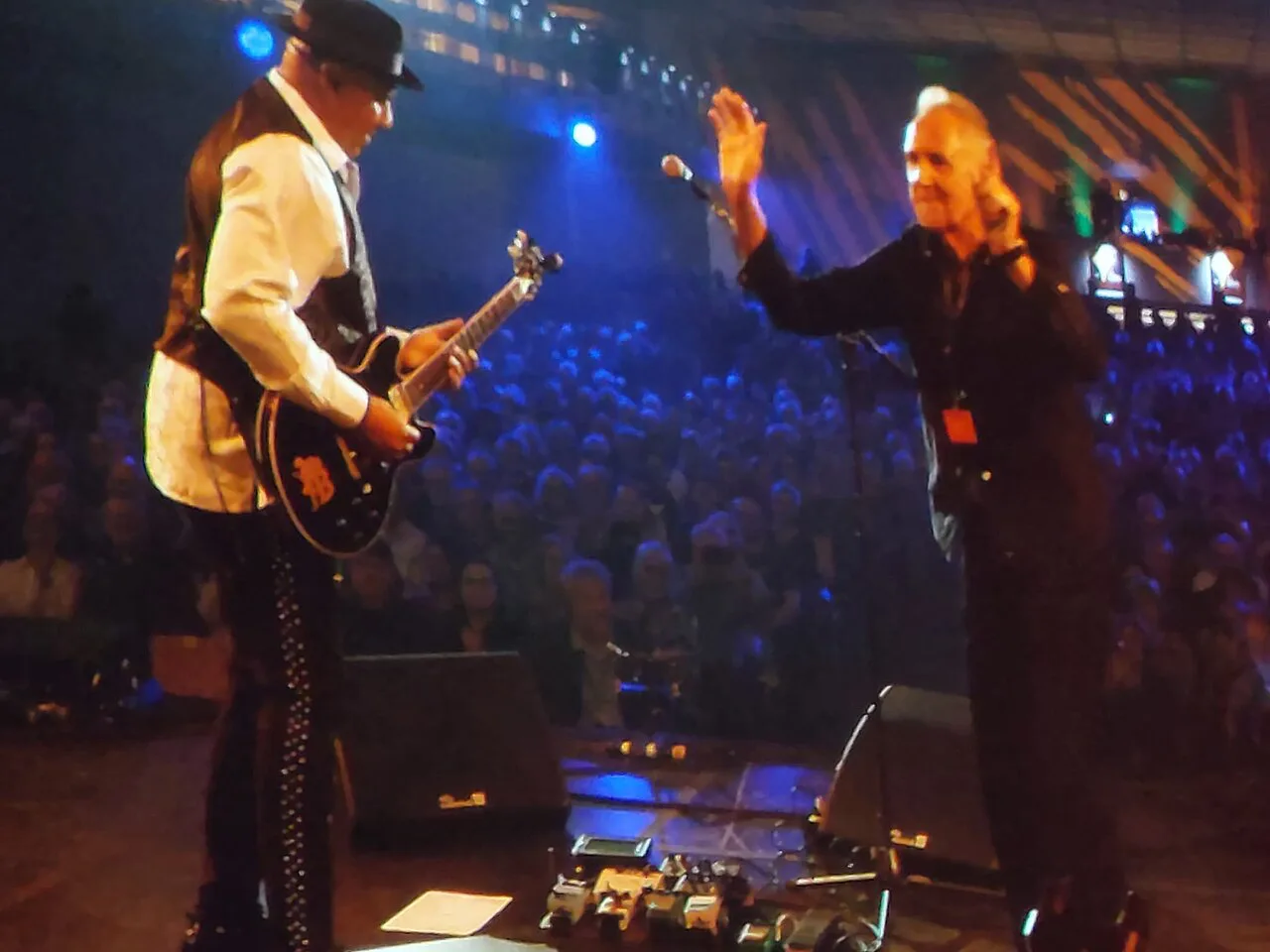
Internationale Jazzwoche Burghausen for First-Timers: Tips, Venues & What to Expect
The Internationale Jazzwoche Burghausen is not your typical massive festival. Each March, this small Bavarian town on the Salzach River transforms into a jazz mecca, drawing fans from across the world. The event has been held every spring since 1970, making it one of the most enduring jazz festivals in Europe, and it retains a distinctly intimate, community feel.
For first-time attendees, the festival's multi-venue format can be confusing. Headline concerts take place in a mix of halls and clubs, from the large Wackerhalle to the historic Stadtsaal and the cozy Jazzkeller. With careful planning, you can experience everything from legendary artists to rising stars. This guide breaks down how the festival works, what to expect, and how to craft a memorable first visit.
Before diving into venues and tips, make sure you have the basics covered. You can find an overview of the event, including its history and key details, on our dedicated Internationale Jazzwoche Burghausen page. Also, note that the festival has a long and storied past, with past performers including icons like Dave Brubeck and Dizzy Gillespie, so you're stepping into a rich legacy.
How Internationale Jazzwoche Burghausen Works
The festival was founded in 1970 by Joe Viera, a jazz musician and educator who shaped the event for decades. His vision was to blend international stars with emerging talent, a balance that still defines the festival today. The event spans several days in March, typically running from Tuesday to Sunday, giving you multiple evenings to explore.
Unlike a single-site festival, Jazzwoche uses multiple venues across the town. The main concerts usually take place at the Wackerhalle and the Stadtsaal, while the Jazzkeller hosts late-night and more intimate sets. Each venue has a distinct character, and the distances between them are short enough to walk, but you'll want to plan your route to avoid overlaps.
For many first-timers, the biggest question is how to choose what to see. The festival typically presents dozens of acts, and you can't see everything. A good strategy is to mix a couple of established headliners with some of the less-known names that might be playing smaller stages. The official program is released closer to the event, and you can check past editions on setlist.fm to get an idea of typical acts.
The Main Stages: Stadtsaal and Wackerhalle
The Stadtsaal is the festival's historic heart and often hosts the opening events, including the European Young Artists' Jazz Award. This venue is smaller than you'd expect for a major jazz festival, giving you a sense of intimacy even for high-profile acts. Acoustics here are excellent, which is why it remains a favorite among purists.
The Wackerhalle, named after the industrial company Wacker Chemie (a longtime supporter), is the largest venue. It's where you'll find the biggest names and the legendary Saturday night concerts. The hall is spacious, but the atmosphere is still enthusiastic and surprisingly laid-back. For first-timers, the Wackerhalle is often the easiest place to get a ticket for a must-see act, though it's still wise to book early.
Between these stages, the festival also uses a few smaller spaces for fringe events, such as the Bürgerplatz (outdoor stage) in earlier editions. For your first visit, focus on the two main halls, and check the program for any pop-up performances in the old town. The walk from the Wackerhalle to the Stadtsaal takes about 15 minutes, so plan accordingly.
The Jazzkeller and Your First Jazz Night
The Jazzkeller is a legendary basement club that has hosted intimate jam sessions and late-night gigs since the 1970s. It's dark, smoky (in spirit), and incredibly atmospheric—a stark contrast to the main halls. The venue is small, with limited capacity, so arriving early is essential if you want a seat.
One of the most distinctive experiences is the 'jazz night,' a special night during the festival when multiple acts play in different venues across town, often including the Jazzkeller. For first-timers, this is the best way to sample the festival's range in a single evening. You'll get to hop from a soul singer to a free jazz quartet in the span of an hour, with the crowd moving with you.
First-Time Mistakes to Avoid
Perhaps the biggest beginner mistake is trying to see too many shows in one night without checking the distances between venues. While the town center is walkable, you might miss half a set if you underestimate the travel time. A better plan is to commit to one main concert per evening and let the late-night sets happen organically.
Another common error is arriving right at the start time. In many venues, seating is unreserved, and latecomers annoy performers and fellow audience members. Aim to arrive 15 minutes before the advertised start to get a decent seat and to respect the artists' concentration.
Ticket-wise, the festival doesn't always offer a single all-access pass, and some shows sell out quickly. Rather than waiting until the last minute, purchase tickets in advance for the acts you most want to see. If you're flexible, you can also find same-day tickets at the box office for less popular sets. For detailed advice on factoring costs into your planning, look into Internationale Jazzwoche Burghausen tickets.
How to Pick Performances When You're New to Jazz
If you aren't a jazz aficionado, the lineup can seem overwhelming. A good approach is to listen to a few social media clips from the festival's official channel or check out previous editions on setlist.fm. That way, you'll recognize names and understand the style each act represents.
The festival is careful to program a diverse range of styles, from classic bebop and swing to jazz-funk, electronic, and vocal jazz. For example, past iterations have included artists like Jamie Cullum, who mixes pop and jazz, and Incognito, known for acid jazz. Use the official descriptions and online samples to choose one act that feels accessible and one that pushes your boundaries.
The European Young Artists' Jazz Award: Your Chance to See Future Stars
The European Young Artists' Jazz Award has been a key part of the festival's opening since at least the 2010s. It was designed to showcase emerging talent from across Europe, with finalists competing in front of a jury and the public. The competition is open to all styles, which means you might hear anything from straight-ahead jazz to experimental sounds.
For first-timers, attending the final rounds is a fantastic way to discover performers before they hit the big time. The atmosphere is supportive rather than competitive, and you'll often see festival veterans scouting for future collaborators. The prize money for the winner has been reported as €10,000 in past years, but exact figures for upcoming editions should be verified on the official festival pages. The event typically takes place at the Stadtsaal.
The 'Street of Fame' and Other Local Landmarks
Between sets, take a break from the music to explore Burghausen's 'Street of Fame,' a walkway with 39 relief slabs embedded in the sidewalk, akin to Hollywood's Walk of Fame. Located on the street 'In den Grüben,' these slabs honor legends like Dave Brubeck and Sun Ra. It's a self-guided museum of jazz history.
Beyond the street, the town's main attraction is the longest castle complex in Europe, the Burghausen Castle, which sits on a hill above the Salzach. A quick visit during the day gives you spectacular views and a sense of the festival's historic backdrop. Combined with the old town's narrow alleys and Bavarian pubs, these landmarks make your time between concerts part of the experience.
Planning Your Day: From Wackerhalle to Stadtsaal to Jazzkeller
A typical festival day for a newcomer might start with a relaxed afternoon set at a smaller venue or even a street performance. As evening falls, head to the Wackerhalle for the main concert, which often features a high-profile act. After the show, the Jazzkeller beckons for a late-night session.
Aim to finish your day at the Jazzkeller, where the intimate vibe gives you a chance to unwind and reflect on the music you've heard. This new venue flow—from big hall to basement club—highlights the festival's range perfectly.
If you're staying for several days, it makes sense to plan your accommodation and travel in advance. Since the festival is in a small town, hotels fill up quickly. Consider our guide on where to stay for internationale jazzwoche burghausen to find the best option. Additionally, the town is well-connected by train, and detailed transportation tips are available on the official festival website—check for specific schedule details closer to your travel dates.
Festival Etiquette and What to Bring
Jazz concerts demand a certain etiquette: avoid talking during performances, keep your phone on silent, and refrain from filming without permission. The audience at Jazzwoche is passionate yet respectful, and clapping occurs between pieces, not within a solo.
When it comes to what to pack, comfort is key. The Wackerhalle can get warm despite the March weather, so wear layers. Bring earplugs if you plan to sit near the front of the Jazzkeller—the acoustics are powerful. See the full packing list for Internationale Jazzwoche Burghausen to ensure you don't miss anything.
Final First-Timer Checklist
Before you head to Burghausen, save these essentials: purchase your tickets in advance for priority shows; decide on your must-see artists and map the venues; take comfortable shoes for walking between stages; and leave time to see the castle and the Street of Fame. With these in mind, you're ready to enjoy a festival that is both world-class and wonderfully personal.
Remember that the exact schedule, dates, and lineup change each year, so confirm all details on the official festival website closer to the event. What will not change is the warm Bavarian hospitality and the outstanding music around every corner.
Plan Your Visit
The Internationale Jazzwoche Burghausen is a rare festival that combines intimate venues with world-class musicians in a historic setting. For first-timers, the key to a rewarding visit is planning ahead: understand the venue layout, prioritize the Young Artists' Award on the opening day, and leave your evenings open to explore the Jazzkeller.
By avoiding the common mistakes of over-scheduling and arriving late, you'll be able to fully immerse yourself in the unique atmosphere of Burghausen. Whether you're a lifelong jazz fan or a curious newcomer, this festival will show you why so many consider it a must-attend event in Bavaria.
Start by browsing the official program when it's released, book your accommodation, and plan your travel. With the right preparation, your first Jazzwoche will not be your last.
Frequently Asked Questions
What venues are used for Internationale Jazzwoche Burghausen?
The festival primarily uses the Stadtsaal and the Wackerhalle for main concerts, with the smaller Jazzkeller hosting late-night and more intimate sets. Some editions have also used additional spaces like the Bürgerplatz for outdoor concerts. Venues are all within a short walk in the town center.
What is the European Young Artists' Jazz Award?
The European Young Artists' Jazz Award is a competition held during the festival, traditionally on the opening day. Young jazz musicians from across Europe compete with juried performances, with a cash prize for the winner. Past winners have gone on to successful careers, making it a great chance to see emerging talent.
What is the Street of Fame in Burghausen?
The Street of Fame is a walkway with 39 relief slabs embedded in the ground on the street 'In den Grüben.' Each slab is engraved with the name of a legendary jazz performer, from Dave Brubeck to Dizzy Gillespie, creating a permanent tribute to the festival's history.
How long has the Jazzwoche been running?
The Internationale Jazzwoche Burghausen was founded in 1970 by Joe Viera and has been held every spring since then. It is one of the oldest jazz festivals in Germany, with a decades-long tradition of attracting both acclaimed and emerging artists.
What is the best way to plan a day at the festival?
Start by prioritizing one or two must-see acts and reserve tickets in advance. Plan your route between venues, allowing 15 minutes for walks. In the evening, consider the jazz night to sample multiple acts, ending at the Jazzkeller for an intimate finish. Always check the official program for updates.