

7 Best Karneval der Kulturen Berlin Experiences for First-Time Visitors
Last updated August 2026. Karneval der Kulturen Berlin is a Pentecost-weekend celebration built around a street parade and a multi-day street festival. Specific dates, locations, routes, and access provisions change, so choose your experience first and verify the next edition before traveling.
Karneval der Kulturen Berlin at a Glance
Pentecost provides the dependable planning anchor, but it does not make every operational detail final. The weekend moves with Easter and can fall in May or June. Public visitor information supplied for the next edition does not yet confirm its specific schedule. Treat sponsor-facing plans as provisional until matching details appear on the official festival website.
| Planning point | Verified or provisional status | What you should do |
|---|---|---|
| Timing | Verified recurrence: Pentecost weekend, which moves with Easter | Plan around the movable holiday, not a reused calendar date |
| Calendar calculation | Pentecost Sunday is 49 days after Easter Sunday | Use this only as a planning anchor until the organizer publishes visitor dates |
| Main components | A street parade and a multi-day street festival | Choose one component or build a limited combined visit |
| Street-festival location | Blücherplatz in Kreuzberg was used in 2026; next-edition confirmation remains necessary | Check the current map before reserving accommodation |
| Parade location | Frankfurter Allee was used in 2026; routes can change | Do not navigate with a previous route map |
| Admission | Berlin's official capital portal currently lists free admission, meaning €0 entry | Recheck the official visitor page for the next edition |
| Program | Stages, Music Corners, performances, and community areas vary by edition | Download the current program shortly before attending |
| Accessibility | Facilities and awareness arrangements require edition-specific confirmation | Ask the organizer about the exact support you need |
What Is the Carnival of Cultures in Berlin?
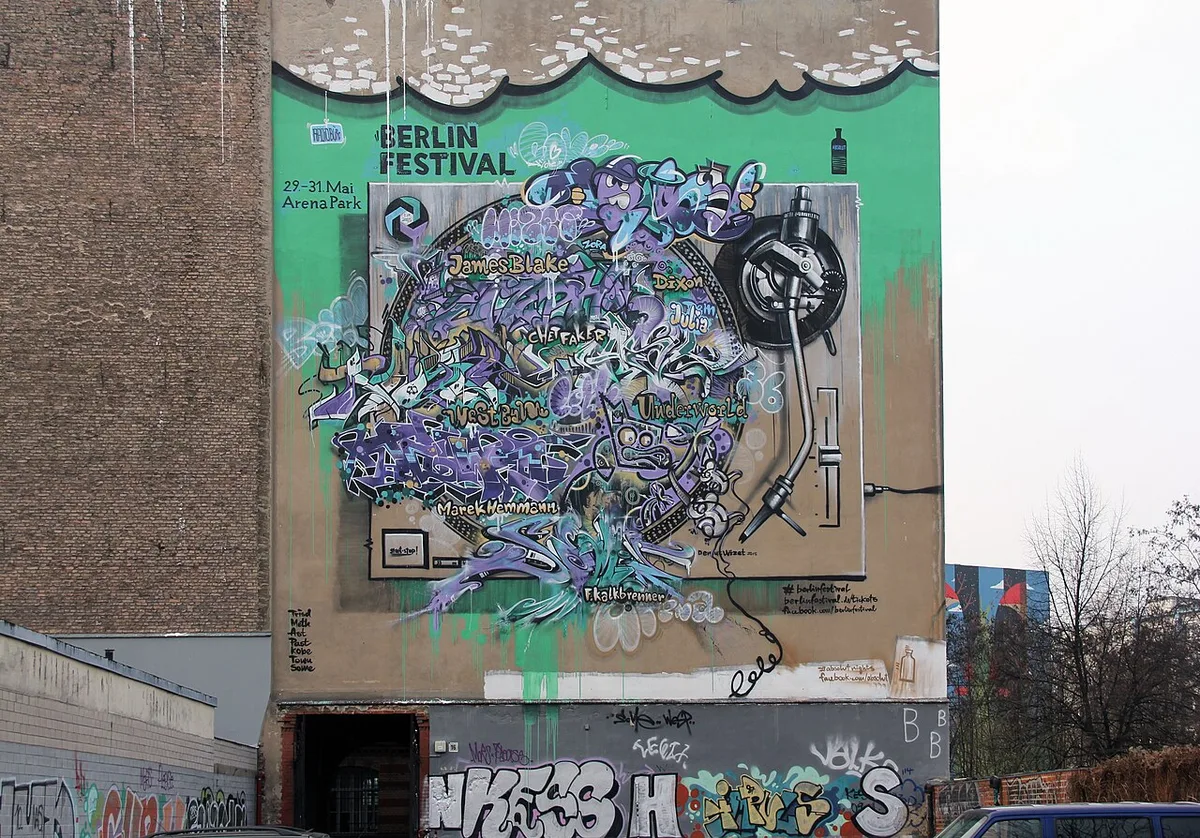
Carnival of Cultures is a public celebration of Berlin's cultural, artistic, and social diversity. Community groups, performers, musicians, dancers, and civic initiatives shape its parade and street-festival programming. Its purpose extends beyond watching costumes or collecting photographs. The event presents cultural work, participation, and exchange in public space while opposing racism and social division. It emerged during the 1990s, although supplied sources conflict over the exact first-edition label. That unresolved detail should remain outside promotional claims until the organizer clarifies it. Visitor planning should focus on the two main formats. Processions provide concentrated spectacle but restrict movement when crowds build. Festival areas offer more choice among performances, food, workshops, information stands, and places to pause. Exact offerings must still be checked against the current map. Respectful attendance means engaging with groups as participants and cultural organizations, rather than treating communities as scenery.
7 Best Karneval der Kulturen Berlin Experiences
These seven choices organize the event around visitor priorities rather than an outdated performer schedule. Each option includes a useful time allowance based on editorial planning. Those periods are not official operating hours.
- 1. Watch the parade from a preselected area
- Allow roughly two to three hours if the parade is your main priority, then add time for entry and departure.
- A central position can improve your view, while an edge position usually gives you more flexibility to leave.
- Confirm the current start, finish, route, barriers, and viewing guidance before choosing any location.
- 2. Explore one street-festival zone in depth
- Set aside about two hours for one defined area instead of attempting every stage, stall, and activity.
- This approach suits visitors who value flexible movement and breaks more than continuous parade viewing.
- Use the current map because the 2026 Blücherplatz layout is only a historical reference.
- 3. Choose performances by style or cultural focus
- Review the latest program and select two or three priorities before entering the festival area.
- Past editions used stages and Music Corners for different forms of music, dance, theater, and participation.
- Never assume a previous performer, stage name, or timetable will return for the next edition.
- 4. Browse confirmed food, craft, and community areas
- Allow at least one hour when current maps confirm stalls, workshops, information stands, or community spaces.
- This choice works well between scheduled performances because you can shorten or extend the visit.
- Check current payment methods, reusable-container rules, and vendor details instead of relying on past arrangements.
- 5. Build a family-focused visit
- Choose daytime programming, shorter blocks, and an edge-of-crowd position when visiting with children.
- A separately organized children's procession and celebration has appeared in past coverage, but its details need independent verification.
- Confirm toilets, rest areas, stroller access, sound levels, and the family program before promising specific activities.
- 6. Look for a quieter or indoor program option
- Past programs included an indoor church venue alongside louder outdoor stages and Music Corners.
- A confirmed indoor or lower-intensity session can provide a useful break for sound-sensitive visitors.
- Consult the new map because an earlier venue or quiet area does not establish the next layout.
- 7. Attend an evening segment with a fixed exit plan
- Reserve about two hours for an evening program and extra time for walking away from the busiest departure points.
- Evening attendance suits music-focused visitors, but darkness, fatigue, and concentrated departures require more preparation.
- Select a meeting point and exit route before arrival, then review same-day transport notices.
Parade or Street Festival: Which Should You Choose?
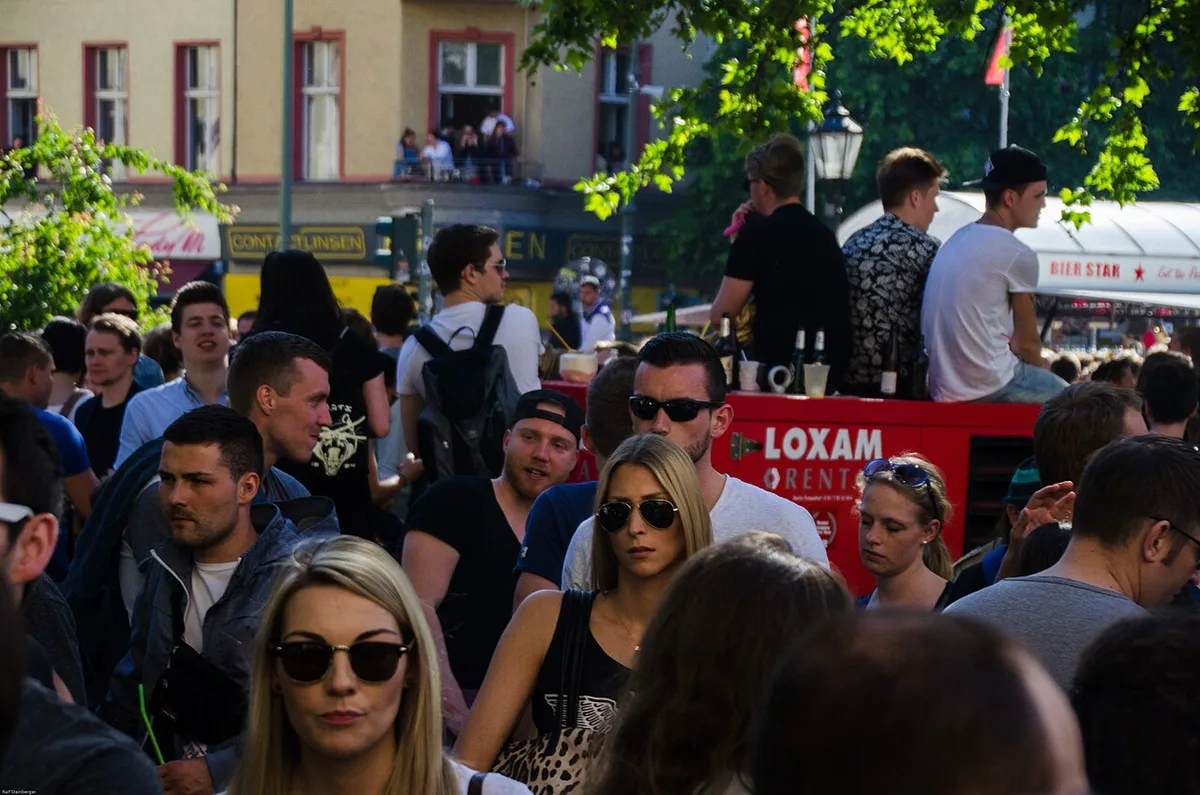
Your best choice depends on the trade-off between spectacle and freedom to move. Parade viewing concentrates attention on processions, costumes, music, dance, and performance. A street-festival visit lets you build a more flexible route. Combining both requires more walking, waiting, and recovery time.
A combined visit is not just two experiences back to back: the full-day estimate is 7 to 8 hours, and the parade and festival may be in different locations. Check the current map before committing.
| Experience | Best fit | Main trade-off | Planning priority |
|---|---|---|---|
| Street parade | First-time visitors seeking the main procession | Strong visual focus, but the greatest crowd pressure | Confirm the route and choose a viewing area with an exit option |
| Street festival | Music, food, workshops, and flexible visits | More choice, but popular areas can still become crowded | Mark two or three current program priorities |
| Both components | Visitors with most of a day available | Broader coverage, but more walking and sensory fatigue | Schedule food, rest, and travel buffers |
| Family-focused programming | Families wanting shorter and more participatory activities | Details may come from a separate organizer | Verify its own schedule, route, location, and access information |
When and Where Does Karneval der Kulturen Take Place?
Karneval der Kulturen follows Pentecost, also called Whitsun. That holiday moves with Easter each year, so the event can land in May or June. Pentecost Sunday falls 49 days after Easter Sunday. This recurrence is the correct planning anchor, but it does not confirm the organizer's detailed schedule. Avoid transferring a previous four-day timetable to the next edition. Street-festival dates, parade timing, and any related community events may be published separately. Location information needs the same care. The 2026 street festival used Blücherplatz in Kreuzberg, while the parade used Frankfurter Allee. Those are dated examples rather than promises for the next edition. A sponsor-facing page presents forward planning, while Berlin's public event page still labels the date unknown. Wait for agreement across public visitor pages before treating a route or site as final. The official Berlin visitor portal can support broader city planning, but the organizer remains the primary source for event operations.
How Much Time Should You Allow?
Trying to cover every performance or the complete procession can turn the visit into constant walking. Pick a time plan that protects your main priority. Add separate buffers for security measures, crowded paths, food, rest, and the journey away.
| Visit length | Suggested plan | Best for | Main caution |
|---|---|---|---|
| Short visit: about 2 hours | Choose one parade viewing area or one festival zone | Tight Berlin itineraries and visitors managing fatigue | Arrival delays can consume much of the window |
| Half day: about 4 hours | Combine several nearby program areas or one parade segment with a brief festival visit | Most first-time visitors | Limit scheduled priorities so movement remains manageable |
| Full day: about 7 to 8 hours | Cover both components with planned food, rest, and exit breaks | Visitors who place the event at the center of their trip | Walking, noise, weather, and crowd exposure accumulate |
Getting There and Moving Around
Public transport is usually the practical starting point because parade operations involve road restrictions. Still, no station should be recommended until the next route and service plan are confirmed. Search both BVG and VBB on the event date. Compare several arrival stations instead of selecting only the closest one. Peak flows, altered exits, temporary closures, or crowd controls can make a longer walk more efficient. Save the official route and festival map offline before leaving your accommodation. Mark the parade, festival site, toilets, rest areas, assistance points, and exits when those facilities appear. Groups should agree on one precise meeting point before entering dense areas. A phone call may be difficult to hear near amplified programs. Choose a departure station or walking direction in advance, then keep an alternative in reserve. Parade and street-festival locations may differ, so calculate their connection only from the current map. Driving near the event offers limited flexibility when streets close or traffic patterns change. If driving remains necessary, obtain current road information from official city or police notices rather than an older travel article.
Costs, Admission, and Incidental Spending
Berlin's official capital portal lists admission to the next Karneval der Kulturen as free, or €0, while its specific dates remain unknown. The official 2026 street-festival page also stated free admission. Recheck that policy on the public event site before departure because individual programs or conditions can change. Free entry does not mean a cost-free day. Food, drinks, local transport, optional craft purchases, and accommodation remain separate expenses. No supported vendor prices appear in the supplied evidence, so a responsible guide cannot provide a numeric meal budget. Compare those incidental costs with a paid Berlin attraction when deciding how long to stay. Accommodation around a major event period can also face stronger demand, but no verified room rate is available here. Confirm payment methods through the current visitor information. Do not assume every stall accepts cards or that cash is required. Deposit systems, refill arrangements, container rules, and restricted items also need current confirmation. Set a personal spending cap before arrival and keep travel funds separate from optional purchases.
Accessibility, Crowds, and Safer-Spaces Support
On-site accessibility cannot be inferred from accessibility controls on a website. Visitors need operational details covering step-free journeys, surfaces, barriers, toilets, viewing areas, seating, and assistance points. The 2026 event page included a safer-spaces and awareness section, but that historical listing does not verify the next edition's staff, locations, or procedures. Contact the organizer when mobility, sensory, communication, or personal-assistance needs affect attendance. Ask specific questions rather than requesting a general accessibility statement. Useful questions cover step-free entry, accessible toilets, platform dimensions, ground surfaces, seating, quiet areas, and the nearest staffed contact point. Review BVG or VBB accessibility notices for the same travel date. Dense crowds can change an otherwise manageable route. An edge-of-crowd viewing position may provide less central sightlines but a clearer departure. Sound-sensitive visitors should consider hearing protection and shorter program blocks. Save the organizer's current emergency and awareness instructions on your phone. Groups also need a reunification point outside the busiest area. If official information remains incomplete, present that uncertainty plainly and avoid promising access conditions.
Planning Karneval der Kulturen with Children
Families should choose between concentrated parade viewing and a flexible street-festival visit. Parade sections can offer a clear focal point, yet waiting and crowd density may be difficult for younger children. Festival zones allow breaks, but amplified sound and busy paths still require planning. Past coverage identifies a separately organized children's procession and family celebration. Never assume it shares the main festival's route, schedule, facilities, or organizer. Confirm all four points independently for the next edition. Pick short activity blocks and identify toilets, food options, seating, and exits on the current map. Strollers can become difficult to maneuver when pedestrian space narrows. An edge position may sacrifice part of the view while making breaks easier. Bring hearing protection suited to the child and keep valuables minimal. Write a caregiver's phone number on a wristband or card. Agree on a visible reunion point with older children. Leaving before the busiest departure period may be preferable when fatigue rises.
With €0 admission, families can plan a roughly two-hour trial without needing to stay all day. That shorter window pairs well with daytime activities, planned breaks, and leaving before tired children face the busiest departures.
Where to Stay for the Event
Choose accommodation only after comparing it with the confirmed street-festival site and parade route. Kreuzberg may reduce travel to a Blücherplatz-based festival layout, but nearby rooms can expose you to event noise, pedestrian traffic, and stronger demand. Friedrichshain or Mitte may become practical if a confirmed parade route serves those areas. The 2026 use of Frankfurter Allee does not guarantee that advantage for another edition. Staying elsewhere on a direct transit connection can provide a quieter retreat. That option adds travel, yet it may reduce exposure to the event's busiest surroundings. Test the journey in BVG or VBB using the expected arrival and departure periods. Check cancellation terms if booking before locations become final. Avoid selecting a hotel because an old map shows a convenient station. Current service changes and crowd controls can alter the easiest journey. Keep one alternative route between your accommodation and the confirmed event area.
What to Bring
Pack for changing weather, long periods on your feet, loud programs, and an uncertain journey home. Current organizer rules should decide what may enter the event area. The following items remain planning suggestions rather than permission to bring prohibited objects.
| Item | Reason | Verification needed |
|---|---|---|
| Weather-appropriate layers | Pentecost can fall in May or June | Check the forecast before departure |
| Comfortable footwear | Parade and festival plans involve standing and walking | None beyond personal needs |
| Water or refill bottle | Crowded visits can make regular breaks important | Confirm current container and refill rules |
| Charged phone and power bank | Maps, schedules, contacts, and travel updates may be digital | Check prohibited-item guidance |
| Offline event map | Mobile service may be less dependable in dense areas | Download the current edition only |
| Hearing protection | Amplified music can affect children and sound-sensitive visitors | Choose suitable personal protection |
| Minimal valuables | A lighter bag is easier to manage in crowds | Review current bag and security rules |
Mistakes to Avoid Before and During the Festival
Most planning failures begin with treating historical material as current information. Complete a final verification sweep shortly before travel and repeat the transport check on the event day.
| Mistake | Why it causes problems | Better decision |
|---|---|---|
| Copying last edition's date | Pentecost moves with Easter | Use the movable holiday as an anchor and await publication |
| Reusing an old route | Parade streets can change between editions | Download the current official map |
| Treating parade and festival as identical | They offer different programs and may use different locations | Plan each component separately |
| Scheduling every stage | Walking and crowd movement reduce usable time | Choose two or three priorities |
| Using only the nearest station | Peak crowd controls may slow the shortest route | Compare multiple BVG or VBB options |
| Assuming web controls describe the venue | Digital accessibility does not verify physical facilities | Request current on-site access details |
| Repeating past performers or attendance figures | Historical examples can appear current without clear labels | Use only the latest program and omit disputed totals |
| Arriving without an exit plan | Large departures can separate groups and add delays | Set a meeting point and alternative route |
Cultural Context and Related German Street Events
Karneval der Kulturen developed in Berlin during the 1990s as a public platform for cultural expression and community participation. Its civic context includes opposition to racism and social division. That purpose matters when deciding how to describe the parade and its participating groups. Avoid reducing performances to exotic spectacle or assuming one group represents an entire culture. Current organizer information should guide terminology and program descriptions. Visitors interested in another large German street celebration can consult the ColognePride planning guide. ColognePride is a separate LGBTQ+ event in Cologne, not another edition of Carnival of Cultures. Its schedule follows organizer announcements rather than Berlin's Pentecost recurrence. The official ColognePride source should be used for its own current dates and program. Keeping those identities separate prevents inaccurate route, purpose, and scheduling claims.
Frequently Asked Questions
When is Karneval der Kulturen Berlin?
It takes place around Pentecost, also called Whitsun. The holiday moves with Easter and can fall in May or June. Pentecost Sunday is 49 days after Easter Sunday. Treat that recurrence as a planning anchor, not organizer confirmation. Check the official visitor page for the next street-festival and parade schedule.
Where are the parade and street festival held?
Locations can change between editions. In 2026, the street festival used Blücherplatz in Kreuzberg, while the parade used Frankfurter Allee. Those details are historical references, not guarantees. Confirm the next route, start, finish, festival site, and connection between both areas using the organizer's current map.
Is Karneval der Kulturen free?
Berlin's official capital portal currently lists free admission, meaning €0 entry, and the official 2026 street-festival page also stated free admission. Verify the next edition before attending. Food, drinks, transport, optional purchases, and accommodation remain separate costs, with no supported vendor prices available in the supplied evidence.
What is the difference between the parade and street festival?
The parade concentrates processions, costumes, music, dance, and performance along a defined route. It provides a focused spectacle but creates stronger crowd pressure. The street festival spreads programming across stages, Music Corners, stalls, and activity areas when confirmed. It offers more flexibility, although popular zones can still become busy.
How much time should first-time visitors allow?
Allow about two hours for one parade area or one festival zone. A half day of roughly four hours suits most first-time visitors who want several program areas. Covering both components can take seven to eight hours once food, rest, walking, and departure buffers are included. These are editorial estimates, not official durations.
Is Karneval der Kulturen suitable for children?
It can suit families when the visit uses short daytime blocks, hearing protection, planned breaks, and an edge-of-crowd position. Verify toilets, rest areas, stroller access, and family programming first. A separately organized children's event has appeared in past coverage, but its next date, route, location, and organizer require independent confirmation.
Is Karneval der Kulturen accessible?
Accessibility depends on the current site, transport conditions, surfaces, barriers, viewing arrangements, toilets, seating, and assistance services. Website accessibility controls do not answer those questions. Contact the organizer about your specific mobility, sensory, or communication needs. Review same-day BVG or VBB accessibility notices before starting the journey.
Is the event worth attending during a short Berlin trip?
It can fit a short trip if you choose one clearly defined experience. A two-hour parade viewing plan emphasizes the procession. One street-festival zone provides greater flexibility for music, food, or community programming. Avoid attempting both components during a tight window, especially when the confirmed locations require additional travel or crowd delays.
More Street Festivals
Free, city-centre, and nothing to do with Rhineland carnival.