
Mozart Festival Würzburg: An Essential Guide
Every early summer, the Baroque city of Würzburg becomes a living concert hall for the Mozart Festival Würzburg. Known as the oldest festival dedicated to Mozart's music, it draws international artists and audiences to the heart of Franconia. This guide helps you understand the festival's legacy, its annual program, and how to plan your visit.
The festival's origins are tied to Mozart himself, who passed through Würzburg in 1790. As he wrote, "In Würzburg we fortified our weary stomachs with coffee; a beautiful, magnificent city" — a sentiment that captures the city's charm. The festival has since made Würzburg a summer home for Mozart's music, and visitors can explore both the city's baroque architecture and its vibrant classical scene.
Whether you're a seasoned concertgoer or new to classical music, the Mozart Festival Würzburg offers an accessible yet profound experience. From open-air performances in courtyards to intimate chamber recitals, the festival's format allows you to tailor your visit. This article covers everything from history to tickets, helping you make the most of your time.
A Legacy Since 1921: History and Significance
The Mozart Festival Würzburg was founded in 1921 and has run annually ever since, making it the world's oldest festival dedicated solely to Mozart's music. Over the decades, it has evolved from a local celebration into a major international event, reflecting changes in musical taste and cultural life.
Notable milestones include the festival's centenary in 2021, which was marked by a special program and retrospectives. According to the festival's own chronicle, in 2026 the event celebrated its 105th season, calling it the most successful in its history. This long tradition provides a sense of continuity that you can feel in every performance.
What to Expect: The Annual Program and Themes
Each year, the festival adopts a thematic motto that frames the programming. For example, the 2026 edition used "Beschworene Schönheit: Idol Mozart" (Conjured Beauty: Idol Mozart), exploring the human longing for beauty in times of crisis. Past themes have included friendship, freedom, and enlightenment, showing how Mozart's music speaks to universal questions.
The program typically features a mix of symphonic concerts, chamber music, recitals, and opera, often performed by world-renowned orchestras and soloists. The festival also includes community events like the MozartLabor and concerts in public spaces, making it a citywide celebration rather than a series of exclusive performances.
Venues: Baroque Splendor and Modern Spaces
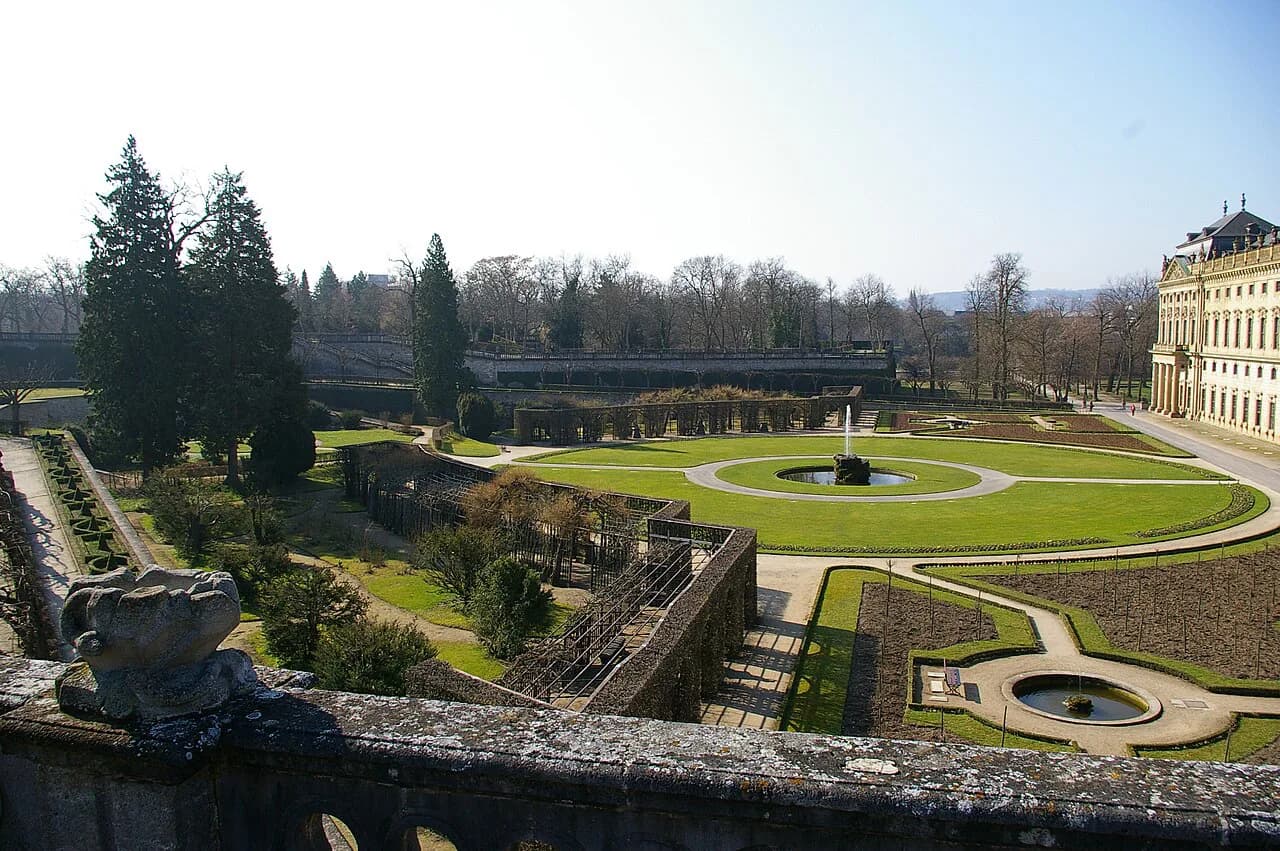
One of the festival's highlights is its venues, which range from ornate Baroque halls to modern concert spaces. Performances take place in historic buildings like the Würzburg Residence, a UNESCO World Heritage site, and the Kaisersaal, offering an atmospheric backdrop. Many concerts also occur in churches and palace courtyards, creating intimate settings that suit the repertoire.
In addition to traditional stages, the festival has embraced unconventional locations, such as the Mozart Festival's own "Mozartareal" complex, which includes a modern festival hall. This mix of old and new reflects the festival's ability to honor tradition while welcoming contemporary audiences. For first-time visitors, exploring these venues is half the fun.
Mozart in Franconia: The Local Connection
Mozart's brief stop in Würzburg in 1790, when he enjoyed Franconian hospitality, is commemorated in the festival's name and spirit. His quote about the city's beauty captures the affection that musicians and visitors feel for this place. Today, the festival is deeply embedded in the local culture, with residents actively participating as volunteers and audiences.
The festival's programming also highlights works by Mozart and his contemporaries, often performed by regional ensembles alongside international stars. This blend of local and global ensures that the festival remains both a community event and a world-class attraction, contributing to Würzburg's identity as a cultural capital in northern Bavaria.
The Festival Experience: For First-Time and Returning Visitors
For newcomers, the festival can be overwhelming given its breadth. A practical first step is to choose a few concerts that fit your interests, whether you prefer orchestral works or solo recitals. You might also consider a guided tour of the venues or a themed walk to deepen your appreciation.
Returning visitors often look for familiar annual features, such as the Artiste étoile spotlight and the festival magazine, which provide insights into the artistic direction. If you're planning to attend, you might consult our guide for first-timers, which offers tips on choosing concerts and navigating the city. Those interested in practical logistics can find transport advice separately.
Planning Your Visit: Dates and Ticket Information
The festival typically runs for four weeks from late May to late June, but specific dates vary annually. For example, the 2027 edition is scheduled from 29 May to 27 June, according to the official site. Always confirm current dates on the official website since seasons change.
Tickets for concerts go on sale a few months before the festival, with advance booking often opening in January. While this guide does not list ticket prices due to variability, you can find detailed information about categories and availability on our dedicated ticket page. For those seeking tips on what to wear or bring, check our packing list.
Practical Information and How to Stay Updated
Würzburg is well-connected by train and is about an hour from Frankfurt by high-speed rail, making it accessible for international visitors. The city offers a range of accommodation, from hotels to guesthouses, but it's wise to book early given festival demand. Beyond the concerts, you can explore the Residence, the Old Main Bridge, and the local wine taverns.
For the most accurate and up-to-date information, including program announcements and any COVID-19 adjustments, check the festival's official website. The site also offers a newsletter and a media library with concert recordings, so you can relive performances after the festival. Follow the festival's social media channels for real-time updates and special announcements.
Plan Your Visit
The Mozart Festival Würzburg is more than a series of concerts; it's a celebration that unites music, history, and architecture in a uniquely beautiful setting. Whether you're drawn by Mozart's genius or the charm of a Bavarian town, the festival promises an unforgettable experience.
From its long history to its innovative programming, this festival offers something for every classical music lover. Use the resources mentioned here to start planning your trip, and remember that the official source remains your best guide for current details. If you're ready to dive deeper, our hub on Würzburg festivals can help you discover even more local events.
Explore more Würzburg guides
Frequently Asked Questions
What is the Mozart Festival Würzburg?
The Mozart Festival Würzburg is an annual classical music festival held in Würzburg, Germany. Founded in 1921, it is the oldest festival dedicated entirely to Mozart's music. It features concerts by international artists and orchestras, with a thematic program that changes each year.
When does the Mozart Festival Würzburg take place?
The festival typically runs for four weeks in late spring to early summer, from late May to late June. Exact dates vary each year; for example, the 2027 festival is scheduled from 29 May to 27 June. Always consult the official website for the current edition's dates.
Where is the Mozart Festival held?
Concerts take place in various venues across Würzburg, including the Würzburg Residence, churches, and modern halls. The festival also uses outdoor spaces and the Mozartareal complex. The venues showcase the city's Baroque architecture and contemporary facilities.
How can I get tickets to the Mozart Festival Würzburg?
Tickets can be purchased through the festival's official website or authorized ticket outlets. Advance booking often opens in late January. Prices vary by concert and seating category. For detailed guidance, check our dedicated ticket page and sign up for the festival's newsletter to stay informed about sales.
What kind of music is performed at the Mozart Festival?
The program focuses on Mozart's works, including symphonies, operas, chamber music, and choral pieces. It also features compositions by his contemporaries and those inspired by him. The festival's thematic approach means each edition offers a unique perspective on Mozart's music.