
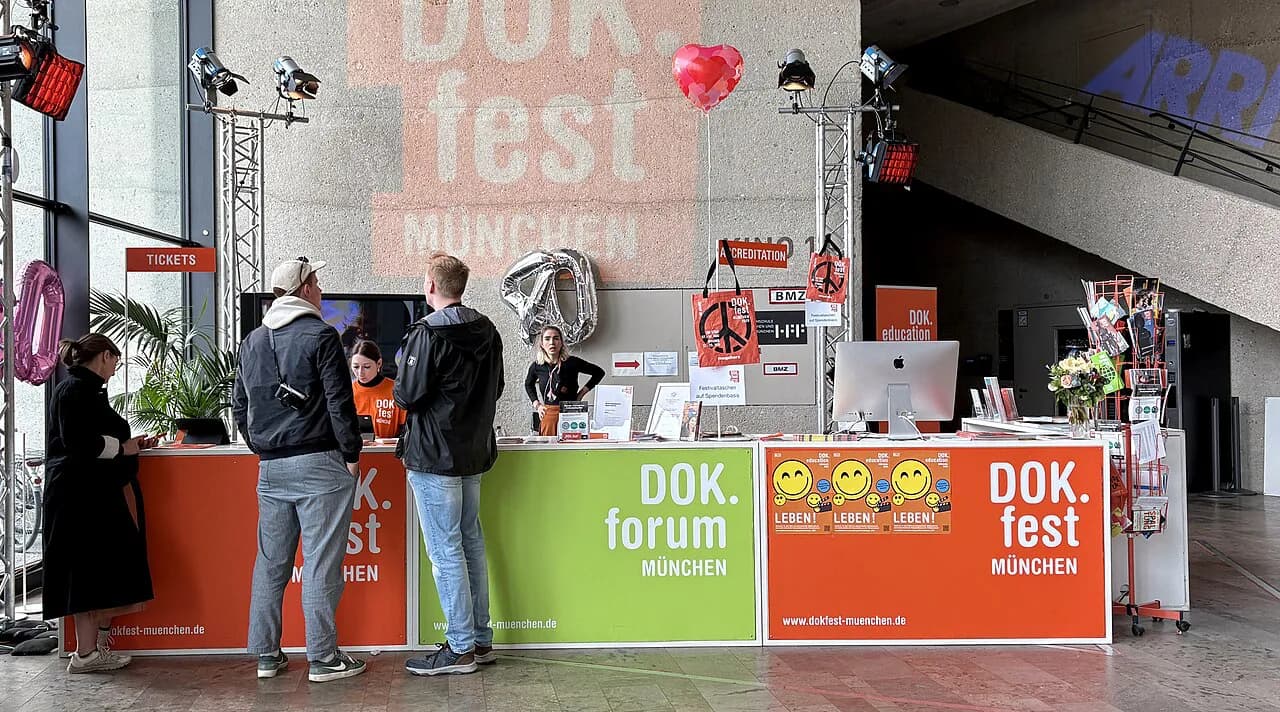
DOK.fest München for First-Timers: A Practical Guide to Munich's Documentary Film Festival
Munich's town hall website describes DOK.fest as an international festival of documentary films that was held for the first time in 1985, and it has since attracted almost all internationally renowned documentary filmmakers. If you're planning to attend for the first time, it's helpful to understand that this is not a film market like Cannes or Berlin—it's a city-wide celebration where you can simply buy a ticket and watch documentaries across multiple venues. The 40th DOK.fest edition took place from May 12 to May 25, 2025, as noted in the festival's Wikipedia entry, so you can expect a full two weeks packed with screenings. This guide explains how the festival works, how to plan your day, and how to avoid the most common first-timer mistakes.
What Is the Munich International Documentary Film Festival?
The Munich International Documentary Film Festival, better known as DOK.fest München, focuses on documentary films that deal with socially relevant topics and are of artistic value, according to its Wikipedia page. As the city's official tourism website explains, the festival is especially dedicated to films from regions where economic and political factors make it extremely difficult to produce documentaries, and it also includes a section for newcomers and non-professionals from Bavaria.
When Does DOK.fest Take Place?
DOK.fest typically runs in May, though exact dates can shift from year to year. The 40th edition was held from May 12 to 25, 2025, as confirmed in the festival's Wikipedia entry. For details about future editions, check the official festival website, where the organizers publish confirmed dates once they are finalized.
How the Festival Works: Venues, Tickets, and Scheduling
The festival is spread across multiple cinemas in Munich, so you won't find one central hub. This means you'll need to plan your route between screenings, as some venues may be a short walk apart while others require public transit. The Munich tourism site lists the festival along with other major film events in the city, and you can find details about participating venues on the official DOK.fest pages.
You don't need an industry badge or press accreditation to attend most screenings—just a regular ticket. The festival's programming is public, and tickets are typically sold individually for each screening. Since ticket prices are not published in the sources, check the official DOK.fest website or the specific venue for current rates and booking options.
Planning Your Day: Tips for First-Timers
Before you go, browse the festival program online and shortlist a few films that interest you. Many screenings sell out, especially on weekends and for award-winning titles, so it's wise to book in advance. On the day, allow extra time to travel between venues—Munich's transport network is reliable, but you'll need to account for walking from the tram or subway to the cinema.
Consider creating your own schedule using a note app or the festival's official program, if available—some festivals offer a 'My Filmfest' calendar feature, but for DOK.fest you may need to manually plan. Group films by venue to minimize travel, and include buffer time for meals and conversations. If you're interested in staying near the cinemas, check our guide on where to stay for munich international documentary film festival.
Common Mistakes First-Timers Make and How to Avoid Them
A common pitfall is overloading your schedule without leaving time for travel or reflection. Documentaries are often intense, and back-to-back screenings without breaks can lead to fatigue. Another mistake is ignoring the smaller sections—such as the Bavarian newcomers showcase—which often feature hidden gems. Also, remember that some screenings may include Q&A sessions with filmmakers, so check the program for those opportunities.
First-timers also underestimate how quickly tickets sell out for popular films. On the day, it's prudent to arrive at the venue at least 30 minutes early to collect tickets and find good seats. Finally, don't forget to check the film's language and subtitle options—many documentaries are in their original language with English or German subtitles.
Documentary Genres and Sections You Should Know
DOK.fest is known for its focus on socially relevant topics, but the program is diverse, covering everything from political investigations to intimate portraits. One unique section is dedicated to films from regions where documentary production is difficult due to economic or political factors, offering a rare global perspective. There's also a new section specifically for films from Bavaria, including works by non-professionals and newcomers, according to the Munich tourism site.
Be on the lookout for award ceremonies like the Bavarian Television Documentary Film Prize, which is awarded by an independent international jury. This prize can be a highlight of the festival, and screenings of nominated or winning films often draw larger audiences.
Other Munich Film Festivals for First-Timers
If you're exploring Munich's film scene beyond DOK.fest, the city hosts several other notable festivals. Filmfest München is one of the most important film festivals in Germany, taking place in late June and early July, as the city's tourism site notes. Fantasy Filmfest, held in summer, is a must for horror and sci-fi fans. For short films, Bunter Hund is an international festival where the audience acts as the jury—a unique experience for first-time attendees.
Practical Information for Your Visit
When planning your trip, consider using public transportation to get to the various venues—the U-Bahn and tram network covers most cinemas. If you're flying into Munich, you'll likely land at Munich Airport and can take the S-Bahn to the city center. For detailed transit advice, see our guide on how to get to munich international documentary film festival.
Accommodation near the festival venues can fill up quickly, especially during the festival period, so book early. Since specific ticket prices and schedules may change, verify the latest details on the official DOK.fest website or the city's event guide before you go.
Final Tips for an Enjoyable Festival Experience
As a first-timer, keep your schedule flexible and prioritize films you're genuinely curious about. You don't need to see everything—just pick a few that speak to you, and leave room to explore Munich between screenings. The festival's community atmosphere is its strength, so strike up conversations with fellow moviegoers; you might discover a film you hadn't considered.
Always confirm the latest dates and ticket information from official channels, as they are subject to change. With a bit of planning, you'll enjoy a rewarding introduction to the world of documentary cinema in Munich.
Frequently Asked Questions
What are the best film festivals for first-time filmmakers?
Smaller, accessible festivals like DOK.fest München are ideal for first-time filmmakers as they focus on documentary content and often include sections for newcomers and non-professionals. The Bunter Hund short film festival in Munich is also beginner-friendly because the audience is the jury. For larger events, you may need industry credentials, so check each festival's submission guidelines.
Which documentary film festival is considered the most prestigious in the world?
Several festivals are considered prestigious for documentaries, including IDFA in Amsterdam, Sheffield DocFest in the UK, and Hot Docs in Canada. DOK.fest München is a leading documentary festival in Germany, but it's not necessarily the most prestigious globally. The definition of prestige depends on the region and the category.
What are the hardest film festivals to get into?
Major festivals like Cannes, Venice, and Berlinale are notoriously selective, with acceptance rates often below 10%. In the documentary world, IDFA has a competitive selection process. For first-timers, smaller festivals like DOK.fest may be more accessible, but submission review can still be rigorous.
How much does it cost to attend the Berlinale?
Ticket prices for the Berlinale vary by screening and venue. Check the official Berlinale website for the current price list, as rates change annually. Festival passes and accreditation are more expensive, and details are published on their site.