
Munich Spring Festival Food Guide: What to Eat at Frühlingsfest
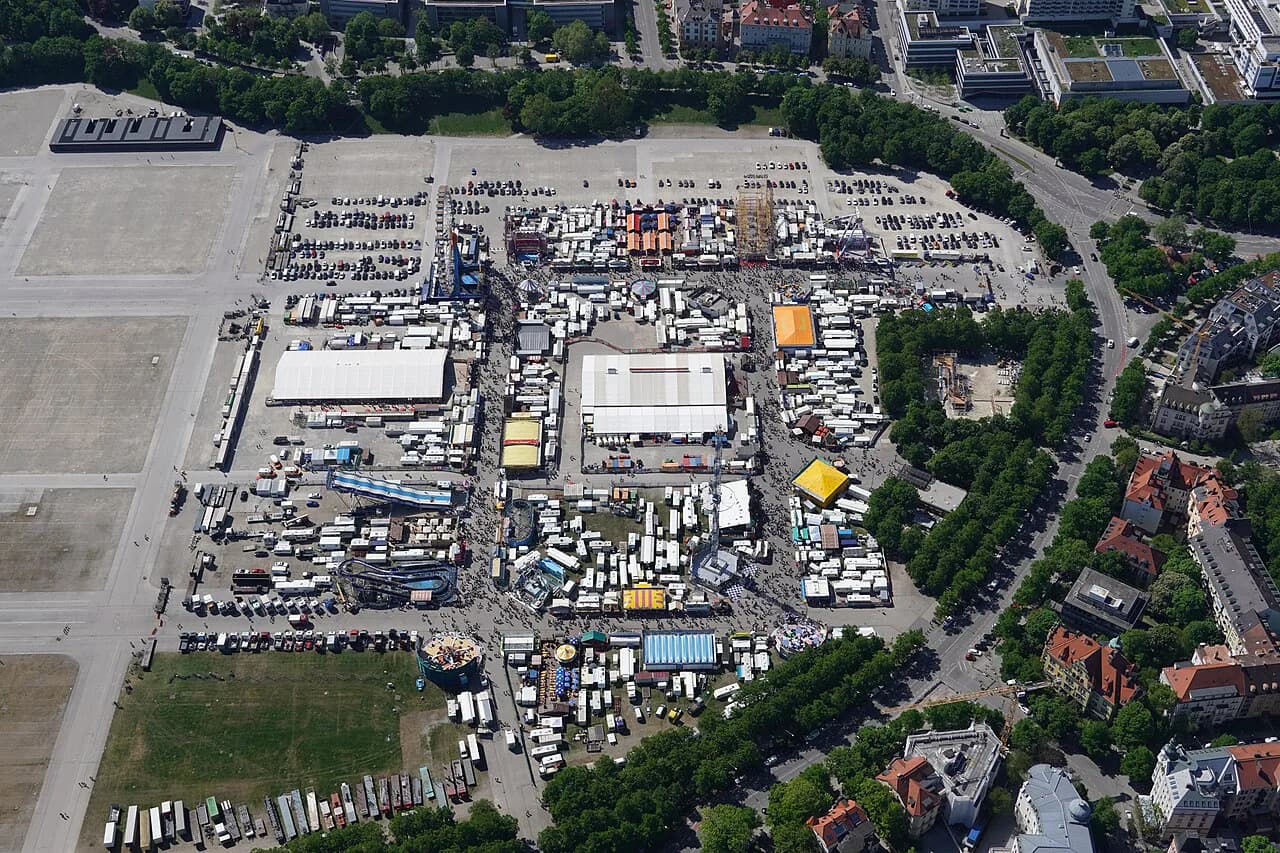
The Munich Spring Festival, known locally as Frühlingsfest, often gets overshadowed by its famous autumn sibling Oktoberfest, but its food scene deserves just as much attention. Within the festival grounds, you'll find everything from traditional Bavarian roasts to sweet, nutty snacks, making it a delightful culinary adventure for any visitor. This guide helps you navigate the delicious options so you can savor every moment, whether you're dining inside a tent or grazing at outdoor stalls.
Planning your food strategy is key to enjoying the festival to its fullest. From hearty meals inside the two main tents to quick bites from street vendors, there's a wealth of choices that cater to all tastes and dietary preferences. We'll break down the signature dishes, share tips on ordering, and point you to the best spots for both classic Bavarian fare and international treats.
Inside the Tents: Festhalle Bayern vs. Hippodrom
When you're ready for a sit-down meal, the festival's two main beer tents offer contrasting experiences. The Festhalle Bayern is known for its traditional ambiance and wallet-friendly menu, making it a popular choice for visitors seeking authentic Bavarian classics without the frills. It's a great spot to try local favorites like roasted chicken, pork knuckle, and pretzels, all served in generous portions that fuel a day of festivities.
In contrast, the Hippodrom tent offers a more upscale dining experience, with a menu that emphasizes locally sourced ingredients and creative twists on classic dishes. Here, you might find Käsespätzle served with pear chutney, or a dedicated section for Wagyu beef, reflecting a more gourmet approach to festival food. Both tents serve a variety of Brotzeit platters – a spread of cold cuts, cheeses, and dips – perfect for sharing, and each tent welcomes non-beer drinkers with an array of soft drinks, wines, and coffee.
Deciding between the two largely comes down to your budget and desired atmosphere. The Festhalle Bayern is known for its affordability, especially if you opt for their lunch specials on weekdays, though prices can fluctuate and it's wise to check their current menu. If you're celebrating a special occasion or simply want to enjoy higher-end dishes, the Hippodrom tent offers a memorable culinary experience with a fancier vibe. Whichever you choose, you'll find a welcoming environment and a taste of Bavarian hospitality.
Must-Try Bavarian Dishes in the Tents
When dining at either tent, there are several Bavarian specialties you shouldn't miss. Schweinsbraten, a succulent roast pork with crispy crackling, is a standout at the Festhalle Bayern and a favorite among locals. Another essential is Käsespätzle, a comforting dish of egg noodles smothered in melted cheese and topped with crispy onions – the Hippodrom's version with pear chutney adds a delightful sweetness that balances the richness.
Brotzeit, which translates to 'bread time,' is a classic platter ideal for sharing. It typically includes an assortment of cold cuts, cheeses, and soft pretzels, making it a perfect way to sample a variety of flavors. Don't forget to try a slice of Obatzda, a creamy, spiced cheese dip that pairs wonderfully with pretzels. For dessert, the Hippodrom's Kaiserschmarrn – a fluffy, shredded pancake dusted with powdered sugar and served with apple sauce – is a must-order that offers a sweet ending to your meal.
Each tent has its own highlights, so consider splitting your festival meals between them to taste a wider range of dishes. The Festhalle Bayern also stands out for its vegetarian and vegan options, including cauliflower wings, while the Hippodrom's focus on local ingredients ensures freshness. Whether you're a carnivore or herbivore, the tents provide hearty, satisfying meals that showcase Bavarian culinary traditions.
Street Food Stalls: Classic Bavarian Snacks
If you prefer to eat as you wander, the festival grounds are dotted with street food stalls offering an array of snacks. One of the most iconic is the half-meter bratwurst, a comically long sausage served in a small bun – a beloved photo-op as much as a tasty treat. For a heartier bite, look for stalls grilling Steckerlfisch, a fish on a stick that's a regional specialty, or opt for a classic steak sandwich, which is often praised for its quality at the Steak Hütte stall.
Currywurst is another popular choice, despite not being strictly Bavarian, and pairs perfectly with a portion of fries. The Schmankerl-Alm is one stall known for its aggressive signage advertising the half-meter bratwurst, but you'll find sausage vendors throughout the grounds. These quick bites are ideal for grazing while you explore the rides and attractions, giving you a taste of Germany without committing to a full meal.
Sweets and Treats: Gingerbread, Roasted Almonds, and More
For those with a sweet tooth, the festival is a paradise. Roasted almonds, known as Gebrannte Mandeln, are a must-try – candied nuts caramelized to perfection, often sold at stalls with gingerbread hearts hanging in front. They make a fantastic snack to munch on while strolling, and their sweet, nutty aroma is irresistible. Another festival favorite is Dampfnudel, a light and fluffy steamed dumpling typically served with vanilla sauce, providing a comforting dessert on cooler spring days.
You'll also encounter an array of sweet stalls offering everything from candied nuts to gingerbread cookies, often shaped into hearts. These make not only tasty treats but also charming souvenirs for friends back home. If you're looking for something more indulgent, consider trying Kaiserschmarrn from a street vendor or inside the Hippodrom tent, as this shredded pancake is a beloved regional dessert that's hard to resist.
International and Non-Bavarian Options
While Bavarian cuisine takes center stage, the festival caters to international palates with a surprising variety of global dishes. Hungry visitors can find Langos, a Hungarian fried dough topped with garlic and cheese, or churros coated in cinnamon sugar for a sweet treat. Pizza, burgers, and even chocolate-covered fruit are also available at various stalls, offering a familiar taste for those craving something other than traditional German fare.
For a lighter option, frozen yogurt and waffles or crepes provide refreshing alternatives, especially on warmer days. This diverse selection ensures that every member of your group finds something they love, making the festival a truly inclusive culinary experience. So whether you're homesick for comfort food or adventurous enough to try a bit of everything, the Munich Spring Festival has you covered.
Vegetarian and Vegan-Friendly Choices
Vegetarians and vegans need not worry about going hungry at the festival. The Festhalle Bayern notably offers a variety of meat-free options, including cauliflower wings that mimic the texture of chicken wings, making them a satisfying snack. Brotzeit platters also provide a vegetarian-friendly choice, as they can be ordered with an assortment of cheeses, dips, and pretzels, omitting the cold cuts.
Käsespätzle is typically vegetarian, though it's always wise to confirm that the cheese is rennet-free for strict vegetarians. For vegans, options may be more limited, but potato-based dishes and fresh pretzels are usually safe bets. Additionally, international stalls often offer vegetable burgers or falafel, so it's worth exploring the full variety of vendors to find satisfying plant-based meals.
To be safe, always ask stall owners about ingredients, especially for sauces and breads that may contain dairy or eggs. With a bit of planning, vegans and vegetarians can enjoy a hearty meal at the festival, sampling local flavors in plant-friendly ways. The increasing demand for meatless options means that vendors are becoming more accommodating, ensuring that everyone can partake in the culinary festivities.
How Ordering Works: Tips for a Smooth Experience
Navigating the food stalls and tents is relatively straightforward, but a few tips can enhance your experience. At the tents, you'll typically be seated by a server, and food orders are taken at your table—often, you'll pay directly with your server. It's common to leave a small tip as a gesture of appreciation, usually around 10% of the bill. For a more casual meal, head to the outdoor stalls, where you can order directly and pay at the counter, making it easy to grab a quick bite on the go.
If you're planning to dine in the tents during peak hours, arriving early is a good strategy to secure a table without a long wait. Weekday lunches are typically less crowded and might offer special deals, though these can change from year to year. To avoid disappointment, it's wise to check the festival's official website or social media channels for updated menus and any special promotions before your visit.
Inside the tents, you'll often find standing tables where you can enjoy drinks and snacks without formal service. This is a great option if you're just popping in for a quick drink or want to sample appetizers with friends. Regardless of where you choose to eat, the locals are generally friendly and helpful, so don't hesitate to ask for recommendations or order in English if needed.
Practical Tips: Timing, Sharing, and Dietary Needs
Timing your meals can greatly enhance your festival experience. Lunch hours are generally less busy, giving you better access to popular stalls and shorter lines. To try a broader variety of foods, consider sharing dishes with companions—Brotzeit platters and half-meter sausages are perfect for splitting. This approach lets you taste multiple items without overindulging, leaving room for both savory and sweet treats.
Bringing cash is recommended since some stalls may not accept credit cards, especially those run by smaller vendors. While many places are equipped to handle card payments, having cash on hand ensures you never miss out on a delicious bite. Additionally, if you have specific dietary needs, such as gluten-free options, it's best to ask vendors directly about ingredients, as festival food often contains wheat, dairy, and nuts.
For those with food allergies, be proactive and communicate your needs clearly, even if there's a language barrier—carrying a card that lists your allergies in German can be immensely helpful. Many servers and vendors are accustomed to such requests and will do their best to accommodate you. The festival is a vibrant celebration of food, and with a little preparation, you can enjoy it safely and deliciously.
Final Recommendations for a Tasty Visit
To make the most of your culinary journey at the Munich Spring Festival, start with a visit to the Festhalle Bayern for a hearty breakfast or lunch, trying their Schweinsbraten and a side of Obatzda. Then, wander the outdoor stalls for a mid-afternoon snack of roasted almonds or a half-meter bratwurst. As evening approaches, treat yourself to dinner at the Hippodrom, where you can savor their gourmet Käsespätzle and end with Kaiserschmarrn for dessert.
Remember to save room for sweet treats like Dampfnudel or a gingerbread heart, and don't forget to hydrate with plenty of water or non-alcoholic drinks like apple spritzer. If you're keen on tasting international flavors, take a food tour around the stalls, from langos to churros, to experience the festival's global influence. Whatever you choose, the festival offers a feast for the senses that captures the spirit of Bavarian hospitality.
With this guide, you're ready to navigate the festival's food landscape like a local. Whether you're a first-time visitor or a seasoned regular, the Munich Spring Festival promises a deliciously memorable experience. For more details on planning your trip, check out our comprehensive Munich Spring Festival guide to cover all aspects of your visit, from rides to reservations.
Plan Your Visit
The Munich Spring Festival is a culinary treasure trove waiting to be explored, offering a perfect blend of tradition and innovation. Armed with this guide, you can confidently order like a local and discover your new favorite Bavarian dish. Remember to verify details like opening dates and special offers through official sources, as these can change from year to year.
Whether you're a meat enthusiast, a vegetarian, or a dessert lover, the festival has something to satisfy every craving. Plan ahead, arrive hungry, and let the flavors of spring enchant you. For more festival-related information, explore our resources on where to stay and other practical tips to craft the perfect trip.
Frequently Asked Questions
What food is traditionally eaten at Munich Spring Festival?
Traditional foods at the Munich Spring Festival include hearty Bavarian dishes like roasted chicken (Hendl), pork knuckle (Schweinshaxe), Schweinsbraten, Käsespätzle, Obatzda, and pretzels. Outside the tents, you'll find street snacks such as half-meter bratwurst, Steckerlfisch, and roasted almonds. For dessert, Kaiserschmarrn and Dampfnudel are popular choices.
Are there vegetarian options at the Munich Spring Festival?
Yes, vegetarian options are available. The Festhalle Bayern tent offers specific vegetarian and vegan dishes, including cauliflower wings. Brotzeit platters can be ordered without cold cuts, and Käsespätzle (cheese pasta) is typically vegetarian. Outdoor stalls often have cheese-based or potato dishes, and you can always find pretzels and sweet treats.
What are the differences between Festhalle Bayern and Hippodrom food?
Festhalle Bayern is known for its traditional, budget-friendly Bavarian food, including Schweinsbraten and a large selection of Brotzeit platters. The Hippodrom is more upscale, featuring gourmet twists on classics, like Käsespätzle with pear chutney, and a separate Wagyu beef menu. Hippodrom also highlights locally sourced ingredients, making it a more exclusive culinary experience.
Where can I find the best snacks outside the tents?
The festival grounds are lined with stalls offering a variety of snacks. For bratwurst, look for the Schmankerl-Alm, known for its big sign. Steak sandwiches are excellent at the Steak Hütte, and you'll find roasted almonds at many sweet stalls. For non-Bavarian snacks, try langos, churros, or crepes from various vendors scattered throughout the area.
What sweet treats should I try at Frühlingsfest?
Don't miss roasted almonds (Gebrannte Mandeln), Dampfnudel (steamed dumpling with vanilla sauce), and Kaiserschmarrn (shredded pancake). Gingerbread hearts are also a festive favorite, and many stalls offer sweets like chocolate-covered fruit, waffles, crepes, and frozen yogurt for a refreshing end to your meal.