
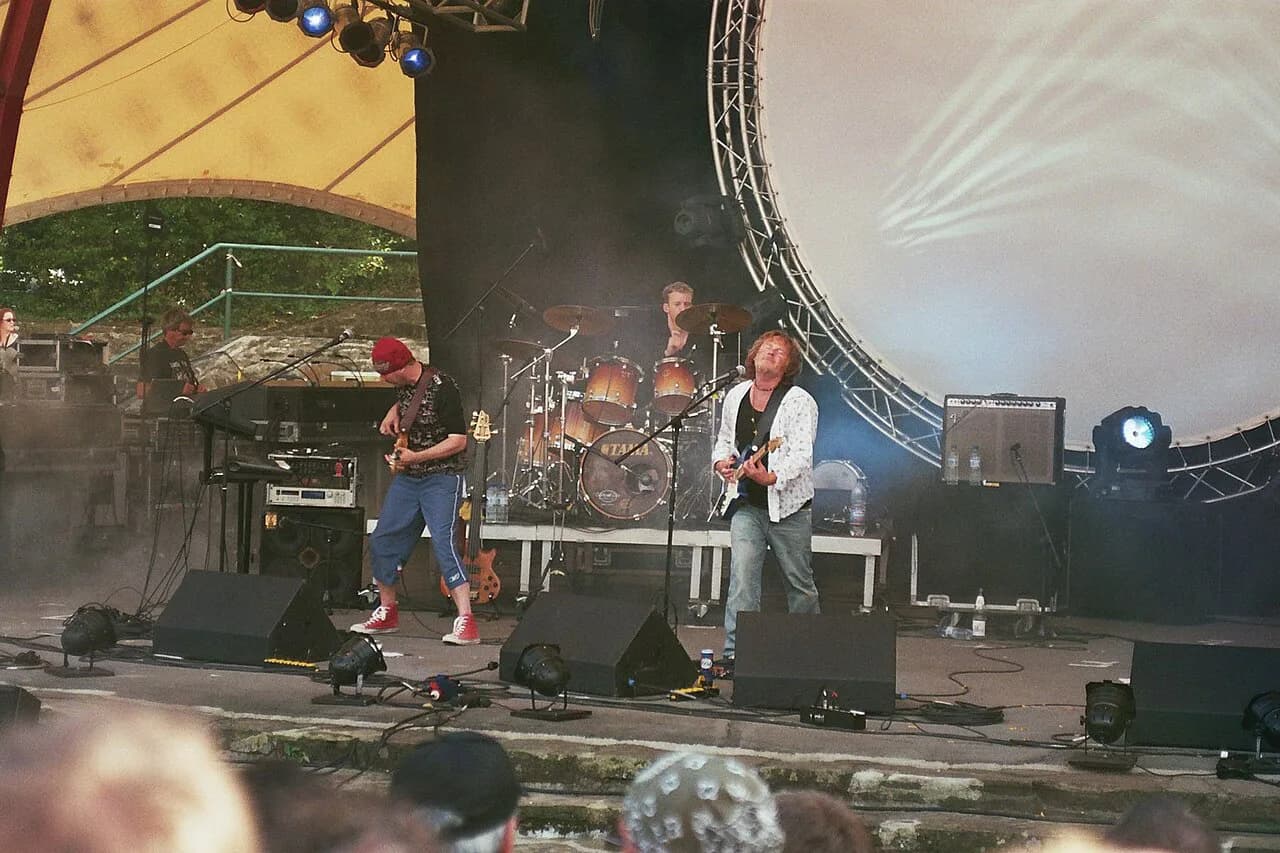
Night of the Prog Festival: Germany's Legendary Progressive Rock Event
When Night of the Prog Festival held its 17th and final edition from July 19 to 21, 2024, it marked the end of an era for progressive rock fans across Europe. The festival, which had called the Loreley Amphitheater home since 2006, welcomed between 5,000 and 8,000 visitors for a final celebration of the genre. As organizers pivot to a new nautical concept, understanding what made this festival special helps context for what comes next.
What Was Night of the Prog?
Night of the Prog was an annual progressive rock festival held at the Loreley Amphitheater near St. Goarshausen, Germany. Since its inception in 2006, it became a cornerstone event for prog enthusiasts, showcasing a wide range of subgenres from symphonic to avant-garde. The festival's significance lay in its dedication to both established acts and emerging bands, creating a balanced lineup that appealed to purists and newcomers alike.
Unlike many festivals that chase mainstream headliners, Night of the Prog focused exclusively on progressive rock, making it a pilgrimage for genre devotees. Each day featured seven bands, offering over twenty performances across the weekend. The festival's legacy is defined by its intimate setting and the sense of community it fostered among attendees and artists.
The Venue: Loreley Amphitheater
The Loreley Amphitheater, a UNESCO World Heritage site, provided a dramatic backdrop for the festival. Perched on the hill of the River Rhine between Frankfurt and Cologne, the open-air venue was built in the 1930s and gained legendary status through the Rockpalast shows in the 1970s and 80s. This rock history made it a fitting home for a festival that celebrated the genre's classic roots.
The venue's natural amphitheater shape offered excellent sightlines, though the steep seating meant attendees could easily see the stage from almost anywhere; the surrounding landscape added to the unique atmosphere. However, as noted in a review of the final edition, the venue's open setting meant intense heat during the day, prompting many to seek shade. Practicalities like hydration and sun protection were essential for a comfortable experience.
History: 2006 to 2024
Night of the Prog ran for 17 editions, evolving from a niche gathering into an internationally recognized event. The festival consistently attracted a loyal following, with many attendees returning year after year. Over nearly two decades, it hosted countless bands, from up-and-coming acts to prog legends, contributing to its reputation as a platform for both discovery and nostalgia.
The final edition emphasized continuity, with many acts returning to the stage. As The Progspace review highlights, there was "a clear emphasis on acts that had previously performed at the festival," balanced with room for lesser-known promising bands. This mix of familiar and new defined the festival's spirit and helped introduce fresh talent to dedicated audiences.
The Final Edition
The 17th and final edition featured three headliners: Riverside, Steve Hackett, and Big Big Train. Each night closed with a different style, showcasing the genre's breadth. Riverside, known for their melodic prog metal, headlined the first night; Steve Hackett brought his Genesis-era classics to the second; Big Big Train closed the festival with their intricate, folk-inflected compositions on the third.
Beyond the headliners, the lineup included a diverse array of acts like Arena, Sylvan, and IZZ. The festival also organized signing sessions on each day near the merchandise stand, as detailed on the official site. These sessions allowed fans to meet artists, adding a personal connection to the experience.
Festival Experience
The atmosphere at Night of the Prog was described as friendly and pleasant, even amid the heat and large crowds. Attendees could expect long queues at merchandise, drink, and food stands, but the community vibe remained positive. The festival offered camping and hotel options, allowing fans to stay close and fully immerse themselves in the weekend.
Preparation was key to enjoying the event, from packing layers for cool evenings to staying hydrated during hot days. For first-timers, understanding the venue layout and schedule was crucial. The festival's official site provided site plans and practical tips, but for a comprehensive packing list, see the festival planning guide.
The Future: NOTP at Sea
Following the final Loreley edition, organizers announced plans to reinvent the festival as a Mediterranean cruise called 'NOTP at Sea'. Sailing from Genoa, Italy, this new venture is scheduled for late September or early October 2026, serving as a European counterpart to America's Cruise to the Edge. The announcement came from the organizers themselves, promising more details after the 2024 event.
This shift to a cruise format reflects broader trends in the prog scene, offering an intimate and immersive setting for fans. While specifics about the lineup and pricing remain undisclosed, the concept has generated excitement. Interested fans should watch for official announcements for concrete details.
How to Stay Updated
To keep up with news about Night of the Prog and its future plans, the official website remains the primary source of truth. Signing up for the Night of the Prog newsletter provides updates on lineup additions and other festival news directly to your inbox. The site also maintains active social media channels, including Facebook, Twitter, Instagram, and YouTube, offering additional ways to stay connected.
Plan Your Visit
The Night of the Prog Festival has left an indelible mark on the progressive rock community, with its final edition celebrating 17 years of music at the storied Loreley Amphitheater. While that chapter has closed, the spirit of the festival lives on with the planned NOTP at Sea cruise. For those who attended, the memories of sun-drenched sets and communal sing-alongs will endure.
For those inspired to explore prog festivals or revisit the genre's epicenter, the Loreley amphitheater remains a destination worth visiting, whether for its history or its dramatic Rhine views. And as NOTP at Sea develops, staying informed through official channels will be essential for anyone hoping to join the voyage. The legacy of Night of the Prog is not just in its past but in the adventures it continues to inspire.
Explore more Freilichtbühne Loreley guides
Frequently Asked Questions
Who are the big 4 of prog?
The 'big 4' of progressive rock isn't as universally defined as in metal or thrash, but a common list includes Genesis, Yes, King Crimson, and Emerson, Lake & Palmer. These bands are often credited with shaping the genre in the early 1970s. Another frequent mention is Pink Floyd. Debates continue among fans, so you might hear different names depending on who you ask.
Where is ProgStock 2026?
ProgStock is a progressive rock festival held annually in the United States. For 2026, the event is scheduled to take place in October in Union County, New Jersey. The exact venue and lineup are typically announced closer to the date, so checking the official ProgStock website is recommended for current information.
Who will be performing at ProgStorm festival in 2026?
ProgStorm is a progressive rock festival that has been expanding in recent years. For 2026, the lineup is not fully confirmed at this time. To get the most accurate and updated information, visit the official ProgStorm website or their social media channels. Announcements are usually made gradually as acts are confirmed.
Who are the big 3 of progressive metal?
The 'big 3' of progressive metal often refers to Dream Theater, Queensrÿche, and Fates Warning, which are considered pioneers and major influencers of the genre. These bands emerged in the 1980s and are known for technical proficiency and complex compositions. Some also include Tool or Opeth, but the top three are widely recognized as the core.