
Opernfestspiele Heidenheim for First Timers: What You Need to Know Before You Go
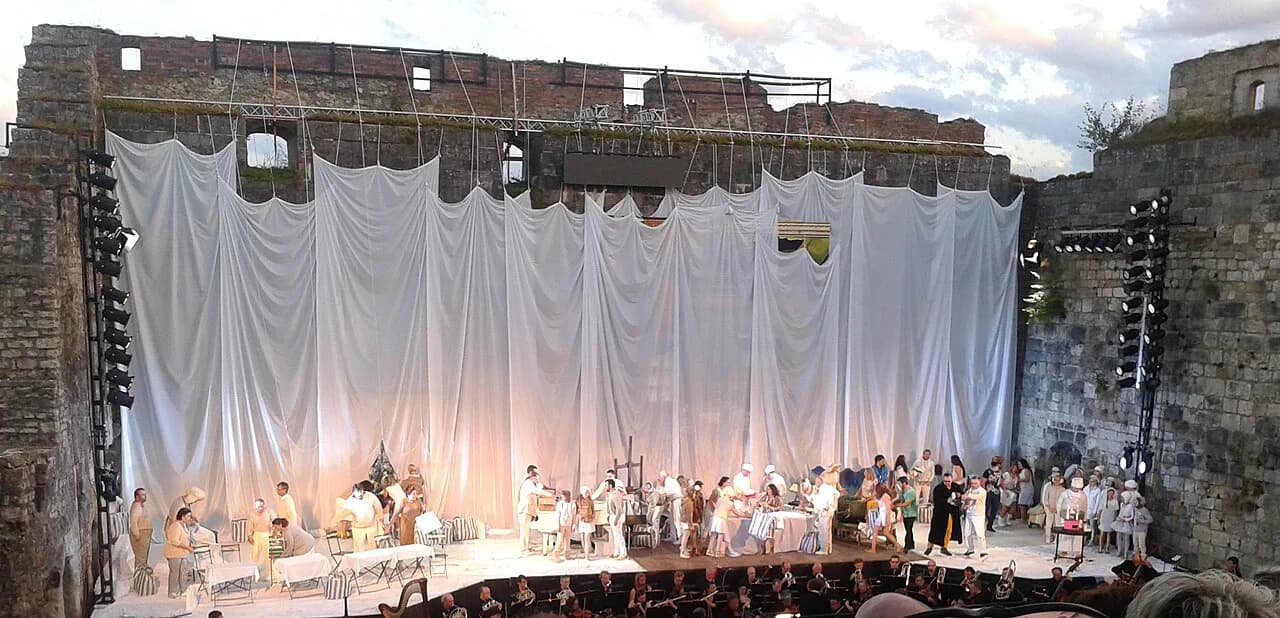
Attending Opernfestspiele Heidenheim for the first time is an exciting prospect. Set in the medieval Hellenstein Castle high above the city, the festival has drawn close to 20,000 visitors each summer for over five decades, making it one of Germany's longest-running and most traditional opera festivals. The combination of world-class performances and a unique open-air setting creates an experience that stays with you long after the final curtain call.
But a first visit brings practical questions: Which venue am I attending? What happens if it rains? Where should I sit? How do I book tickets? This guide answers those questions and more, drawing on the festival's own history and visitor information to help you plan your day with confidence. Before you go, be sure to check the official festival website for the latest program and dates, as details can change from year to year.
From understanding the dual-stage system to avoiding common first-timer mistakes, this guide covers everything you need to know for a smooth and memorable visit. Whether you're a seasoned opera-goer or a complete newcomer, you'll find practical advice that respects your time and enhances your experience.
Understanding the Festival: History and Reputation
Opernfestspiele Heidenheim has been held for over fifty years in the courtyard of the partially ruined Hellenstein Castle. The festival is recognized among Germany's five longest-running and most traditional opera festivals, attracting close to 20,000 visitors each summer. Its world-class level has been praised by Opernwelt magazine, which described the performances as "Weltklasse."
The festival's artistic heart is three opera productions and a series of orchestral concerts, often framed by a yearly motto. A recent edition, for example, used the theme "Laughter and Tears," pairing Puccini's comedy Gianni Schicchi with Strauss's tragedy Elektra. This kind of thoughtful programming, alongside the festival's commitment to new formats like the Junge Oper youth program, has built its reputation far beyond the Swabian region.
Venues and Navigation: Two Stages, One Hill
First-timers often mix up the festival's two main venues: the open-air Knights' Hall at Hellenstein Castle and the covered Festspielhaus Congress Centrum Heidenheim. The Knights' Hall is the historic open-air stage, described by Die WELT as "one of Europe's most beautiful open-air music stages." The Festspielhaus, opened in 2009, meets modern acoustic standards and offers weather independence, with a stage of identical size and even some extra seats.
Both venues sit within walking distance on Heidenheim's Schlossberg hill, a layout that is nearly unique among opera festivals. This means you can easily move from an indoor performance to an outdoor one in the same evening—as seen in the double bill that moved audiences from the Festspielhaus to the Knights' Hall for the tragic second half. When booking, always double-check which venue your ticket specifies to avoid confusion.
If you're planning your stay, consider the proximity of your accommodation to the Schlossberg hill, as evening walks can be steep. For detailed advice on lodging, see our guide on where to stay for opernfestspiele heidenheim.
Rain or Shine: How the Weather Plan Works
Open-air performances in the Knights' Hall depend on weather conditions, and the festival has a backup plan. The Festspielhaus was built specifically to allow a second set of props to be moved indoors in case of rain, with a stage identical in size to the outdoor one. This means a performance may be relocated rather than cancelled, but the decision is made close to showtime.
As a first-timer, it's wise to prepare for both possibilities. Check the weather forecast on the afternoon of your performance, and carry a light rain jacket or umbrella just in case. If you're seated outdoors, note that the venue is largely uncovered, and evenings in southern Germany can turn cool, so bring layers regardless of the forecast.
Practical Planning: Tickets, Pricing, and Booking
Booking tickets for Opernfestspiele Heidenheim is straightforward, but early planning is key, as popular productions can sell out well in advance. The festival's official website is the best source for current pricing and availability; prices vary by production and seating category, so there is no single flat rate.
For up-to-date information on how to purchase tickets and what to expect in terms of pricing, refer to our dedicated guide on opernfestspiele heidenheim tickets.
Keep an eye on the festival's announcements for opening of sales and any early-bird offers. Some visitors prefer to book through the official site to avoid third-party markups.
The Artistic Vision: Marcus Bosch and Cappella Aquileia
At the helm of the festival is Marcus Bosch, who serves as festival director and chief conductor. In 2011, he founded the festival's own orchestra, Cappella Aquileia, modeled on the Lucerne Festival's approach. The orchestra has become a focal point and ambassador for Heidenheim, and its recordings have won international praise.
A notable project has been the performance of Giuseppe Verdi's early operas in chronological order, which has brought the festival attention from beyond Germany. Critics have lauded Bosch's interpretations for their clarity and dramatic pacing, as seen in reviews of productions like Elektra, where he drew from the Stuttgart Philharmonic a lithe, dance-like quality.
Beyond the Stage: Culinary Extras and Pre-Show Experiences
The festival experience extends beyond the operas themselves. Offerings such as "OH! An der Quelle" and the "Schlossbergtafel" combine culinary delights with conviviality and music, providing a perfect pre-show atmosphere. These events are popular, so inquire about them when booking your tickets.
Arrive early to explore the Schlossberg hill and the castle grounds. The view from Hellenstein Castle over the city and the Swabian Alps is spectacular, especially at sunset. Guided castle tours may be available before performances; check the official schedule for details.
For ideas on how to extend your trip, including other attractions in the region, many visitors pair a festival visit with trips to nearby towns like Ulm or Stuttgart, both within easy reach.
Family-Friendly Options: The Junge Oper Program
If you're considering bringing children, the festival's Junge Oper program has been inspiring young audiences since 2006. It attracts around 4,500 visitors annually, with productions created especially for children and young people. These shows are often shorter and more interactive, making them an accessible entry point to opera.
The program also supports young opera singers, and in 2019 its production "Gluecksschmiede" won the national MIXED UP prize for cultural education. For first-time families, a Junge Oper performance can be a wonderful introduction without the length and complexity of a full evening opera.
First-Timer Mistakes to Avoid
One of the most common mistakes is confusing the two main venues. Always confirm whether your performance is at the Knights' Hall (outdoor) or the Festspielhaus (indoor), and allow extra time to find the correct entrance, especially if you're unfamiliar with the Schlossberg layout.
Seating is another area where first-timers may stumble. Outdoor seating in the Knights' Hall can be basic, with limited cushioning, so bring a small seat pad if you have one. Also, the open-air venue means variable acoustics depending on weather and wind, so consider your seat choice carefully if you're sensitive to sound.
Timing is critical: plan to arrive early to pass through ticket controls and enjoy the atmosphere without rushing. If you're attending an evening performance, remember that it may end late, so check transport options in advance. For tips on reaching the festival, see our guide on how to get to opernfestspiele heidenheim.
Finally, dress appropriately: there is no strict dress code, but comfortable, layered clothing is recommended for the variable weather. And remember to double-check the performance start time, as some productions have unconventional schedules.
Plan Your Visit
With its dual stages on the Schlossberg hill and a rich artistic program, Opernfestspiele Heidenheim offers a memorable experience for first-time attendees. By understanding the venues, preparing for weather changes, and booking early, you can focus on the music and the magic of this unique festival.
Use the official festival website as your primary source for current program, dates, and ticketing details, as these are subject to change each season. And don't forget to explore additional resources like our guides on tickets and accommodation to streamline your planning.
We hope this guide has answered your questions and set you on the path to an unforgettable festival visit. Enjoy the performances, the castle views, and the warm Swabian hospitality.
Frequently Asked Questions
How do I get tickets for Opernfestspiele Heidenheim?
Tickets are available through the official Opernfestspiele Heidenheim website. Pricing varies by production and seating category, so it's best to purchase directly from the official source. Sales may open several months in advance, so check the website for announcements and book early to secure your preferred dates.
What happens if it rains during the open-air opera at Heidenheim?
The festival has a contingency plan: performances scheduled for the open-air Knights' Hall can be moved to the Festspielhaus Congress Centrum, which has a stage of identical size. This relocation depends on weather conditions and is announced as close to the performance as possible. Always check the festival's communication channels for updates.
Where is the Knights' Hall at Hellenstein Castle?
The Knights' Hall is located inside the Hellenstein Castle complex, which sits on the Schlossberg hill about 74 meters above the city of Heidenheim. It is within walking distance of the Festspielhaus Congress Centrum, also on the Schlossberg. Accessible paths and signage are available from the town center.
What is the dress code for the opera festival?
There is no strict dress code. Visitors typically wear smart casual attire, but comfort is key, especially for outdoor performances where the weather can vary. It's advisable to bring layers or a light jacket, as evenings can be cool, and wear comfortable shoes for walking on the hill.
Are there performances suitable for children?
Yes, the festival's Junge Oper program offers productions specifically designed for children and young audiences. These are often shorter and more accessible, making them a great introduction to opera. Check the festival schedule for dates and age recommendations.