
SonneMondSterne Packing List: The Only Guide You Need
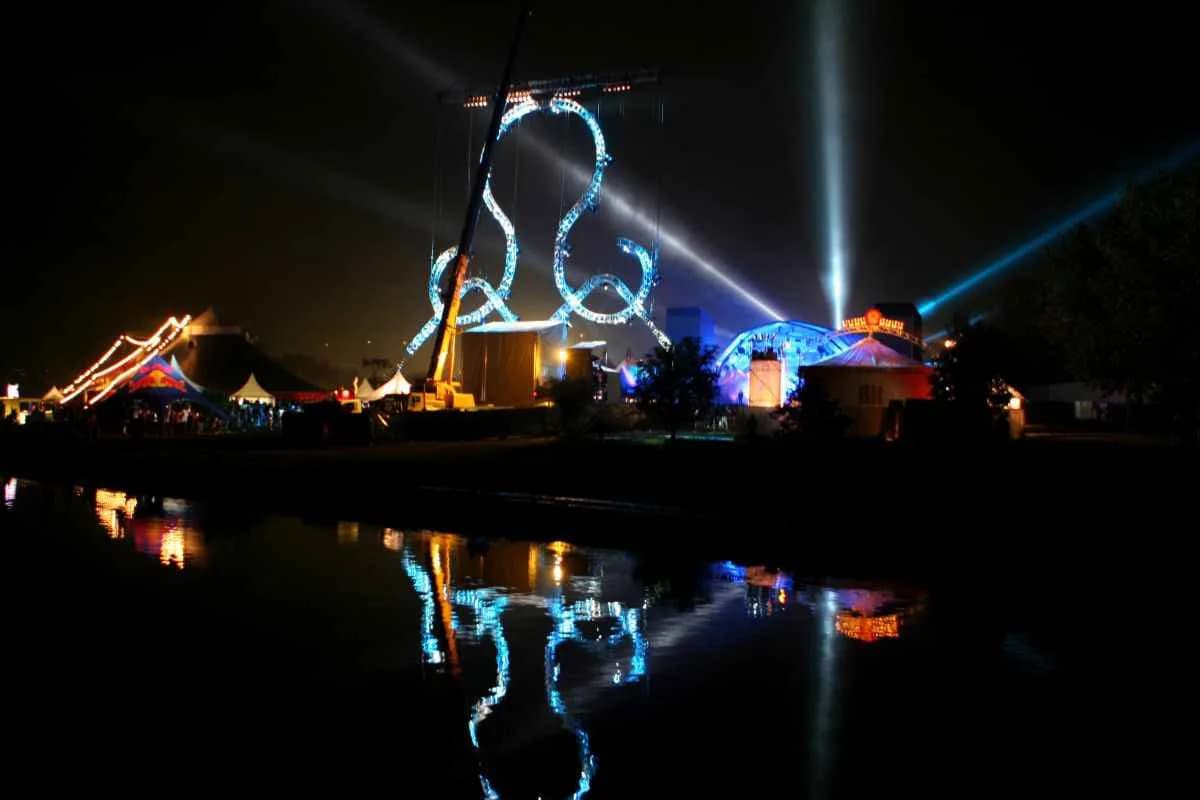
SonneMondSterne, held each August on the shores of the Bleilochtalsperre in Saalburg-Ebersdorf, is one of Germany's most beloved electronic music festivals. With two main stages, four club tents, nine bars, and a party boat, the site buzzes with energy from afternoon to early morning. Because the festival runs for three days, what you pack can make the difference between a comfortable, carefree weekend and one spent battling the elements or lugging gear you never use.
This packing guide focuses on practical choices: what to bring for typical August weather, what you can safely leave at home given the site's supermarket and restaurants, and which items festival security will not let through the gate. We'll also flag the gear you need for tent-only camping and how to adapt if you're staying in a caravan. By the end, you'll have a clear packing list that balances comfort, convenience, and the festival's rules.
Understanding the SonneMondSterne Site: What’s On-Site and What You Should Bring
Before you start packing, it helps to know what the festival area already offers. According to Wikipedia, SonneMondSterne includes two main stages, four club tents, nine bars, three restaurants, a supermarket, two non-food markets, and a party boat. That means you don't need to haul in your own food supplies or cooking equipment—unless you're camping far from these amenities and prefer your own snacks.
The presence of a supermarket on site is a major convenience: you can buy fresh groceries, drinks, and camping essentials without leaving the festival grounds. However, the supermarket may not stock every brand or specialty item, so bring any particular foods or beverages you can't live without. Similarly, the restaurants and bars cover most meals and drinks, but if you have dietary restrictions, packing a few safe snacks is a wise backup.
Step 1: Shelter and Sleeping Gear for Tent Camping
SonneMondSterne is a tent camping event—the festival information lists camping fields but no provision for caravans or campervans. Your shelter is your home base for the weekend, so invest in a tent that's easy to set up and sturdy enough for wind and rain. A three-season tent with a rainfly is ideal for August, as evening thunderstorms are possible. Practice pitching it at home so you're not fumbling in the dark.
Beyond the tent itself, you'll need a sleeping bag rated for around 10°C (50°F), since nights near the lake can get cool. A sleeping pad or air mattress adds insulation and comfort—don't skip it unless you enjoy sleeping on roots. A pillow, even a compressible travel one, improves sleep quality. If you're car camping, consider a larger tent for extra space, but remember you'll be carrying everything to your pitch.
Step 2: Clothing for August Weather: Hot Days, Cool Nights, Rain
August in Saalburg-Ebersdorf can bring warm afternoons with temperatures around 25°C (77°F) and cool nights dipping to 10°C (50°F), based on regional climate norms. Pack light layers: t-shirts, shorts, and a lightweight long-sleeve shirt for sun protection. For the evening, bring a fleece or hoodie and a waterproof jacket—rain showers are always a possibility.
Think about the festival's club tents and stages: you'll be dancing, so clothes that breathe and wick moisture are worth the space. Avoid heavy denim, which gets uncomfortable when wet. A spare outfit for each day lets you change after a dusty or sweaty afternoon. And don't forget accessories: a sun hat, sunglasses, and a bandana or buff for dust.
Step 3: Festival Footwear and Comfort Items
Your feet will carry you through hours of standing and dancing, so choose footwear wisely. Well-broken-in sneakers or sturdy sandals with ankle support are reliable options. Avoid open-toed shoes in the main festival area, where the ground can be uneven or muddy. If you're camping, a pair of flip-flops or slides is handy for showers and walking around the tent.
Comfort items extend beyond shoes. Consider a small camp chair if you want to relax at your tent, but note that chairs are not allowed in the festival area itself—leave them at camp. A lightweight backpack for carrying daily essentials is useful, but remember the bag restrictions: larger backpacks are not permitted in the festival area. Opt for a small fanny pack or a crossbody bag that meets the size guidelines.
Step 4: Hydration and Food: What to Carry vs. What to Buy On-Site
Staying hydrated is critical, especially when dancing in the sun. The festival provides water points, so bring a reusable water bottle or a hydration pack (empty when entering). Fill up for free throughout the day. Avoid single-use plastic bottles—not only for the environment, but also because they're heavy to carry.
As mentioned, the on-site supermarket and restaurants cover most food needs, so you don't need to pack a cooler or cooking gear. However, if you plan to cook at your tent, check the festival rules—open fires and gas stoves are typically prohibited. For most festival-goers, buying meals and snacks on-site is easier and lighter. If you have specific dietary needs, pack non-perishable snacks like nuts, energy bars, or dried fruit.
Step 5: Festival Essentials: Tickets, ID, Cash, Phone, Power Bank
Your ticket, a valid photo ID, and your phone are the three non-negotiables. Keep them in a secure, zipped pocket or a small neck wallet. Even if the festival uses digital tickets, your phone battery will drain fast with all the photos and social media. A high-capacity power bank (20,000 mAh or more) is essential; recharge it fully before you arrive.
Cash is still useful inside the festival, as not all vendors may accept cards. Carry small bills for quick purchases, but don't bring large amounts—use a money belt or a hidden pocket. Also, write down emergency contacts and your campsite number on a piece of paper in case your phone dies. For more detailed tips on navigating the event, check out our guide for first-timers.
Step 6: Personal Care and Hygiene Products
Festival hygiene is more than just soap and shampoo. Bring biodegradable wet wipes for quick clean-ups, hand sanitizer, and toilet paper—portable toilets often run out. A small towel made of quick-dry microfiber is lighter than cotton and dries fast. Don't forget your toothbrush, toothpaste, and any medications you take daily.
Sunscreen with SPF 30 or higher is a must, even on cloudy days. Insect repellent is wise, especially near the lake in the evenings. Lip balm with SPF and aloe vera gel for after-sun care round out your kit. For women, consider a menstrual cup or period underwear—they're more sustainable and require less frequent changes than tampons in a festival setting.
Step 7: The “Just in Case” Medical Kit
A basic first-aid kit can save you a trip to the medical tent. Pack adhesive bandages, antiseptic wipes, blister plasters, pain relievers (ibuprofen or paracetamol), and anti-diarrheal tablets. If you have allergies, bring antihistamines. For chronic conditions, carry enough medication for the entire festival plus a few extra days.
Include a small roll of duct tape—it can fix a broken tent pole, a torn shoe, or a ripped backpack. Also, pack a headlamp or a small flashlight with spare batteries for night trips to the toilet. Earplugs are non-negotiable for sleeping: the music runs late, and your campsite may be close to the action. Foam earplugs are cheap and effective, while musician's earplugs preserve sound quality if you're near the stages.
What NOT to Bring: Banned Items and Bag Restrictions
The official info page is clear: larger backpacks, baskets, cooler bags, and large women's handbags are not permitted in the festival area/venue. This rule is about security and crowd safety, so leave the big rucksack at your tent. Instead, bring a small waist bag or a handbag within the allowed size—check the festival website for exact dimensions before you travel.
While event security teams conduct bag checks, it's best to assume that weapons, fireworks, glass bottles, and illegal substances are forbidden. Professional cameras with detachable lenses are often restricted, so a smartphone or a compact point-and-shoot is safer. If you're unsure about an item, contact the festival directly or check their official FAQ before you arrive.
Optional Extras: Party Props, Decorations, and Cameras
To enhance your festival experience, consider a few optional items: a small flag or inflatable to mark your campsite, glow sticks or LED accessories for nighttime dancing, and a reusable cup (though the festival likely provides them). A disposable camera is trendy and fun, but durable enough to survive the weekend.
If you plan to document your trip, a GoPro or a 360-degree camera can capture unique angles, but check if the festival allows them—some events restrict recording. Also, a small notebook and pen are handy for collecting autographs or writing down set times. And don't forget spare batteries or a memory card for your camera.
Packing by Day: A Sample 3-Day Checklist
To keep your packing manageable, organize by day. For a typical three-day festival, you'll need three sets of comfortable clothes (mix and match), one warm layer for evenings, a waterproof jacket, and extra socks—socks get wet and dirty quickly. Plan to do laundry if your accommodation offers it, or bring a small bottle of travel detergent for hand-washing.
Each morning, pack a day bag: sunscreen, wet wipes, a water bottle, earplugs, a power bank, and your ticket and ID. In the evening, add your warm layer and a light rain jacket. If you're planning to stay until the last set, consider a small backpack that meets the size limit—though remember that larger backpacks are banned in the festival area, so test your bag's capacity against the rules.
Final Tips: Staying Comfortable and Enjoying the Festival
A good packing strategy is about editing, not overstuffing. Stick to versatile items that can handle multiple roles: a sarong works as a blanket, a skirt, or a towel; a travel-sized bottle of hand sanitizer doubles as a surface cleaner. Always tape your tent peg locations with reflective markers if you might stumble back in the dark.
Finally, review the festival's official rules and your tickets before you leave. Route planning matters too—check how to get to SonneMondSterne to avoid last-minute stress. And if you're still unsure about what's allowed, err on the side of leaving it at home. The best memories come from dancing, not from dragging around a bag full of 'what-ifs'.
Plan Your Visit
Packing for SonneMondSterne doesn't have to be stressful. By focusing on the essentials—shelter, weather-appropriate clothing, reliable footwear, and your ticket and ID—you'll be ready for whatever August brings. Use the on-site supermarket and restaurants to lighten your load, and respect the bag rules to breeze through security.
Before you head out, make sure your tickets are in order—check SonneMondSterne Tickets 2026 for details. Consider your accommodation options with our Where to Stay for SonneMondSterne guide, and if you're new to the festival, read our tips for first-timers to make the most of your experience. Now, pack smart and enjoy the music!
For the most current details, always refer to the official SonneMondSterne website and the source pages we've linked throughout this article. Regulations can change from year to year, so verify any specific rules about prohibited items or bag sizes before you depart.
Frequently Asked Questions
What do I need to pack for a music festival?
For SonneMondSterne, pack a tent and sleeping gear, clothing for warm days and cool nights, a waterproof jacket, comfortable shoes, a reusable water bottle, sunscreen, earplugs, a power bank, your ticket, and ID. Remember that larger backpacks are not allowed in the festival area, so bring a small bag for daily essentials.
What are the essentials to pack for a festival in 2026?
The 2026 essentials reflect recent trends: portable phone chargers (power banks), hydration packs or reusable bottles, biodegradable wipes, and a compact camera. For SonneMondSterne, prioritize weather-appropriate clothing and respect the site's bag policy. Always check the official info page for updates.
What can you not bring to a festival?
At SonneMondSterne, larger backpacks, baskets, cooler bags, and large women's handbags are not permitted in the festival area. Typically, weapons, fireworks, and illegal substances are also banned. For a complete list, consult the official festival website before you go.
Is there a supermarket at SonneMondSterne?
Yes, the festival area includes one supermarket, along with three restaurants and two non-food markets. This means you can buy groceries and supplies on-site, though selection may be limited, so bring specialty items with you.
Can I bring a backpack into the festival area?
Larger backpacks are not permitted in the festival area at SonneMondSterne. You can bring a small waist bag or handbag, but check the official site for specific size limits. Leave larger backpacks at your campsite.
What kind of camping is allowed at SonneMondSterne?
SonneMondSterne offers tent camping only. There are no provisions for caravans or mobile homes. Your packing list should include all tent equipment, as the site may not offer rental gear. For more details, check the camping section on the official info page.