

Wave-Gotik-Treffen: A Complete Guide to Visiting WGT in Leipzig
Last updated July 2026: Wave Gotik Treffen turns Leipzig into a four-day, city-wide festival for gothic rock, EBM, industrial, darkwave, and neofolk, timed to the Whitsun (Pentecost) holiday weekend. Because Pentecost moves with Easter every year, the festival's Friday-to-Monday dates shift between mid-May and mid-June. This guide covers WGT tickets, the Obsorge card, the Agra Fairground hub, and the more than 50 venues spread across Leipzig.
What Is Wave-Gotik-Treffen (WGT)?
Wave-Gotik-Treffen is a four-day dark-culture festival held across Leipzig, Germany, over the Whitsun (Pentecost) holiday weekend. Genres range from gothic rock, EBM, and industrial to noise, darkwave, neofolk, neoclassical, and medieval music, reaching well beyond a typical goth playlist. Unlike a fenced festival ground, WGT spreads across more than 50 venues throughout the city, so attending it means moving through Leipzig itself rather than staying inside one gated site. First held officially in 1992 after German reunification, the festival has grown into one of the largest annual gatherings for the gothic, cybergoth, steampunk, and rivethead subcultures worldwide. The largest edition on record, in 2000, drew an estimated 25,000 attendees before the festival ran into financial trouble and ended early that year. Because Whitsun is tied to Easter's calendar rather than a fixed date, the festival's Friday-to-Monday run shifts every year, landing somewhere between mid-May and mid-June. Widely cited figures put more typical past attendance at 18,000 to 20,000. Organizers may adjust capacity year to year, so confirm current numbers on the official WGT site before you plan around them. WGT's official site describes the festival as the largest gothic festival on the planet, a self-description rather than an independently verified ranking. If your trip also touches other movable German events, Mainz's carnival season follows a similar pattern, built around Ash Wednesday instead of Pentecost.
Festival Highlights: Music, the Victorian Picnic, and Cultural Programming
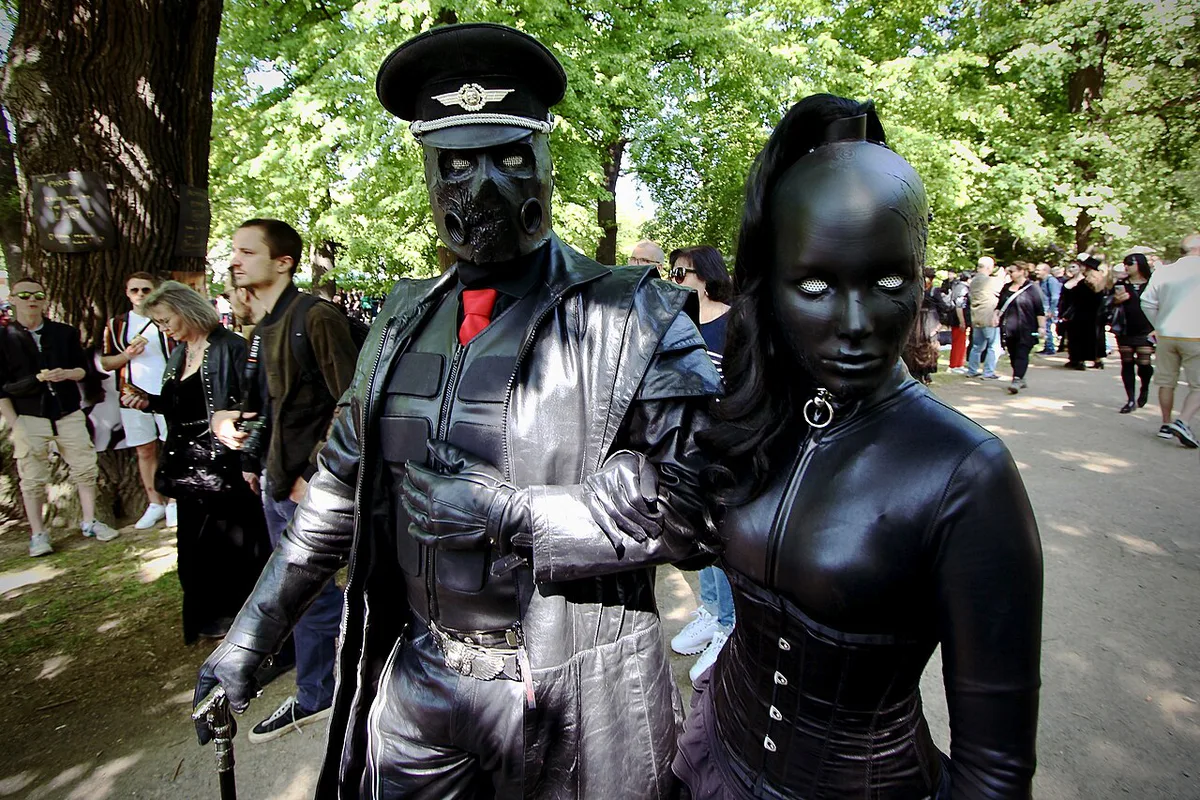
WGT's core draw is live music, with more than 150 bands and artists performing across the four days on stages throughout Leipzig. The number of participating acts has swung widely over the festival's history, from eight artists at the first edition in 1992 to nearly 350 in 2000, before settling to around 200 by 2019. Alongside concerts, the festival folds in an unusually wide cultural program: opera, theater, ballet, and museum access sit next to industrial and deathrock sets on the same weekend bill. Programming has also included film screenings, literary readings, live role-playing, church concerts, and workshops, spreading well past what a typical music festival offers. Several Leipzig museums, including the Egyptian Museum, the Museum of Fine Arts, and the Grassi Museums, have offered free admission or guided tours to paid festival attendees in past editions. Check the current list on the official site before you skip a museum day. Victorian Picnic ranks among the festival's signature gatherings, held Friday afternoon in Clara-Zetkin-Park, where attendees turn out in Victorian and steampunk dress for an afternoon outside the venues. Medieval and pagan markets add another layer, with the Heidnisches Dorf (Pagan Village) and the market at Torhaus Dölitz running alongside the main shopping hall at the Agra Fairground. Shopping itself is part of the draw: the market inside the Agra halls runs the full four days and ranks among the largest gothic and dark-culture markets anywhere. Fringe programming around the same weekend has included Renaissance fairs, Viking and pagan markets, absinthe brunches, and fetish-themed events, though these run as separate, unofficial gatherings rather than official WGT programming.

WGT Tickets, the Obsorge Card, and the Wristband Exchange
WGT sells two main products: the Event Ticket and the Obsorge Card. Mixing the two up is the most common planning mistake first-timers make. Event Ticket access covers concerts and venues citywide, and it has historically also covered use of Leipzig's public transit for the festival's duration. Camping at the Agra Fairground requires the separate Obsorge Card, also called the Obsorgekarte, which adds campground access on top of standard admission. Until 2017, the Obsorge Card included a free copy of the Pfingstbote, the festival's printed program book. It is now sold separately, so budget for it if you want a physical schedule. Earlier editions also bundled a sampler CD called Silberling, showcasing that year's lineup, but that tradition ended in 2007. Wristband exchange typically happens at counters on the Agra grounds and near Hauptbahnhof, Leipzig's main station. Bring your Event Ticket confirmation, since you need it in hand to collect the physical wristband. None of the sources behind this guide list current ticket prices, so check wave-gotik-treffen.de directly for the year you plan to attend. As a planning baseline, adding camping access through the Obsorge Card costs more than the Event Ticket alone, so budget more if camping is part of your plan.
Getting Around: The Agra Fairground and Leipzig's Venues
Agra Fairground is WGT's main hub, sitting 4.2 miles south of central Leipzig and hosting the headline concert hall, the main shopping market, and the on-site campground. The two largest halls hold roughly 10,000 people between headline concerts and the shopping market, while a third houses a bistro area and a DJ-driven dance floor. A promenade in front of the main halls hosts food and drink vendors for the length of the festival. Beyond Agra, WGT spreads across more than 50 venues throughout Leipzig, including these:
- Moritzbastei – a long-running club venue that tends to draw the longest queues after dark
- Schauspielhaus – a theater venue used for the festival's cultural programming
- Krypta, Völkerschlachtdenkmal – a concert space inside the monument's crypt
- Parkbühne – an open-air stage under the trees
Camping at Agra vs. a Hotel in Leipzig: Which Fits Your Trip
Choosing where to sleep during WGT comes down to a trade-off between atmosphere and rest. Camping on the Agra grounds puts you inside the festival's social center, steps from the shopping hall and concerts, but the trade-off is noise late into the night and shared, high-demand facilities. A hotel or Airbnb in Südvorstadt keeps you close to the Agra Fairground without camping. A base in Zentrum, the city center, puts you nearer the theaters, museums, and club venues used throughout the week. Leipzig accommodation books out months ahead of the festival weekend, so lock in a room as soon as your dates firm up rather than waiting until spring. Compare current nightly rates for Südvorstadt and Zentrum on your preferred booking platform before committing, since festival-weekend pricing moves early. Because the exact weekend falls anywhere from mid-spring to early summer depending on the year, pack for a wide temperature swing and a chance of rain either way.
| Option | Budget | Sleep Quality | Social Access |
|---|---|---|---|
| Camping at Agra (Obsorge Card required) | Lowest added cost beyond the Obsorge Card | Lowest – late-night noise and shared facilities | Highest – inside the festival's main hub |
| Hotel/Airbnb in Südvorstadt | Mid-range, subject to festival-weekend rates | Higher than camping, short trip to Agra | Good – close to Agra, short ride downtown |
| Hotel/Airbnb in Zentrum | Typically higher during the festival weekend | Highest – full room comfort away from festival noise | Good for city-center venues, farther from Agra |
Practical Tips: Cash, Dress Codes, and the Pfingstbote
Cash still runs the festival's food stalls and much of its merchandise, so carry enough euros for a full day before relying on cards. Small vendors around the Agra promenade and pop-up market stalls are the least likely to take cards, even though larger German retailers increasingly do. ATMs are widely available around Hauptbahnhof and central Leipzig if you arrive short on cash. Official drink vendors use reusable, branded plastic cups instead of disposable ones, backed by a small pfand (deposit) that you get back when you return the cup. Even with digital listings floating around, the printed Pfingstbote program remains the most reliable single source for set times and venue changes across a schedule this decentralized. Dress at WGT covers steampunk, cyber, traditional goth, fetish, and Victorian styles side by side. There is no single required code beyond what a given ticketed event states, and showing up in everyday clothes will not get you turned away. Festival food stalls cluster around the Agra promenade, but Leipzig's own restaurant scene runs on its normal hours all weekend. Budget at least one meal off-site if you want a break from festival catering.
The Obsorge Card no longer included the free Pfingstbote starting in 2017, but the printed program has become even more essential than before for navigating the decentralized venue schedule and managing set-time changes.
Planning Your Visit Around Pentecost's Moving Dates
Because Whitsun follows Easter's own moving calendar, WGT's Friday-to-Monday weekend never falls on the same date twice in a row, ranging from spring into early summer. Check the official WGT site for confirmed dates as soon as organizers publish them each year. If you're extending the trip beyond Leipzig, pair WGT with the guide to traveling Germany in spring for wider seasonal planning. WGT typically falls within that same broader travel window. Building flexibility into your travel dates matters more for this festival than for a fixed-calendar event, so hold off on booking non-refundable travel until the specific weekend is public. Because the festival weekend isn't fixed to a single month, compare fares and hotel rates across the possible range once official dates are announced, rather than assuming a fixed early-booking window.
A trip between venues can take 45 minutes or longer, and with more than 50 venues spread across Leipzig, expecting to see every performance means constant travel rather than enjoying the festival's social and cultural elements alongside the music.
Plan for Queues and Cross-City Travel
WGT’s decentralized layout makes travel time as important as set times. A trip between Agra-Messepark and venues across central or northern Leipzig can take 45 minutes or longer. Allow extra time for walking, transfers, and crowded trams after major performances.
Moritzbastei is especially prone to queues because its underground rooms have limited capacity. A wristband does not guarantee immediate entry when a venue is full. Arrive well before a must-see performance and avoid scheduling consecutive priorities in distant locations.
Build a backup choice near every essential event. The Pfingstbote lists addresses and schedules, making it easier to group performances by area rather than repeatedly crossing Leipzig.
- For Agra events, combine concerts with the market, food promenade, or nearby Torhaus Dölitz programming.
- For city-center plans, group Moritzbastei with venues near Leipzig Hauptbahnhof or the Zentrum district.
- For western venues such as Felsenkeller, stay nearby between sets instead of returning to Agra.
Check live LVB departure information before leaving. Festival crowds can make the next tram more practical than the theoretically fastest connection.
For trip-planning details, see Wave-Gotik-Treffen (official) and Official regional tourism.
For the wider planning view, compare dates and recurrence rules in Germany’s festival calendar.
Explore more Germany guides
Frequently Asked Questions
Is Wave-Gotik-Treffen suitable for first-time visitors?
Yes, though first-timers do better with a loose plan than none at all. Pick a handful of must-see acts or venues from the Pfingstbote, book accommodation early, and expect to walk or transit between the Agra Fairground and city-center venues throughout the weekend.
What is the difference between the WGT Event Ticket and the Obsorge Card?
The Event Ticket covers admission to concerts and venues, plus historically the free use of public transit during the festival. The Obsorge Card is the additional pass required for camping on the Agra grounds, and it no longer includes the Pfingstbote program book for free.
How do you get from Leipzig Hauptbahnhof to the Agra Fairground?
Wristband exchange points are typically set up at both Hauptbahnhof and the Agra grounds, and your Event Ticket has historically doubled as transit access on Leipzig's LVB network for the trip between them. Confirm current tram routes on the official WGT site before you travel, since route numbers can change year to year.
Is there a dress code for the Victorian Picnic?
There is no strict enforced code, but the event draws heavily on Victorian and steampunk styles, and most attendees dress to match that theme for the Friday-afternoon gathering in Clara-Zetkin-Park. Showing up in everyday clothes will not get you turned away, but it will stand out.
Is WGT worth attending if industrial music isn't your thing?
Yes, since music is only part of the festival's four days. WGT's cultural program also includes opera, theater, ballet, museum access, medieval markets, and shopping, so the lineup works for visitors more interested in the wider dark-culture scene than in industrial or EBM specifically.
How far in advance should you book accommodation for WGT?
Book as early as possible, ideally as soon as WGT publishes the next year's dates, since Leipzig hotels and Airbnbs in Südvorstadt and Zentrum book out months ahead of the festival weekend. Waiting until spring of the festival year often means settling for options farther from both the Agra Fairground and the city-center venues.
What should you pack for Wave-Gotik-Treffen?
Pack layers for a wide temperature swing, since the festival weekend can land anywhere from mid-spring to early summer depending on the year. Bring cash for food stalls and merchandise, comfortable shoes for the walk or transit ride between the Agra Fairground and city-center venues, and a print or screenshot of your Pfingstbote schedule in case connectivity is spotty in the crowds.
What is the Heidnisches Dorf at WGT?
Heidnisches Dorf, or Pagan Village, is one of WGT's medieval and pagan market areas, running alongside the market at Torhaus Dölitz during the festival weekend. Both operate alongside the main shopping hall inside the Agra Fairground, adding a historical-market layer to the modern concert and club programming.