
What to Wear to Barthelmarkt: A Complete Guide
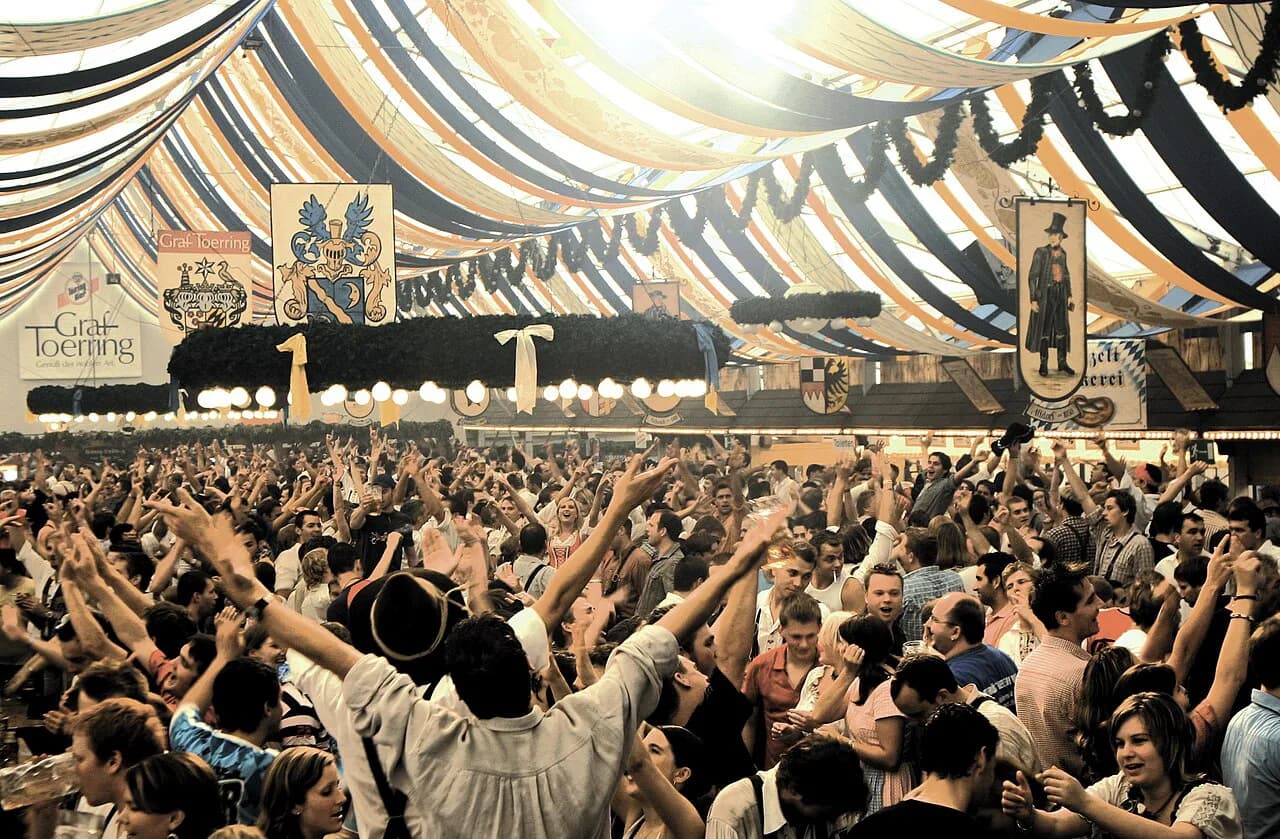
Barthelmarkt in Oberstimm, near Manching in Bavaria, is one of the region's most cherished folk festivals. Whether you're a first-time visitor or a seasoned regular, what you wear can shape your entire experience. The festival blends traditional beer tents, fairground rides, and local food stalls, often spread over a large area that requires plenty of walking. Dressing for comfort and weather is just as important as embracing the festive spirit. To understand the festival's background and atmosphere, check out the official guide on Barthelmarkt.
Unlike the overwhelming Tracht presence at Munich's Oktoberfest, Barthelmarkt attracts a more local crowd from Ingolstadt and Manching. You'll see a mix of traditional outfits and everyday casual wear, making it an accessible event for tourists and Germans alike. The key is to strike a balance between looking festive and staying practical. This guide covers everything from whether to wear a dirndl or lederhosen to what shoes will survive the beer tent floors and grassy fairgrounds.
Do You Have to Wear Tracht?
The short answer is no—Tracht is completely optional at Barthelmarkt. No festival in Germany requires a dirndl or lederhosen for entry, and you'll see plenty of locals in jeans and T-shirts, especially on weekend afternoons. However, wearing traditional attire adds to the festive immersion and helps you feel part of the celebration. The further south you go in Bavaria, the more common Tracht becomes at such festivals, and Barthelmarkt is no exception.
If you do choose to wear Tracht, avoid cheap costumes that can look out of place. Authentic dirndls and lederhosen are made from quality materials and fit better, so they're worth the investment if you plan to attend multiple festivals. As one guide points out, the only way to look tacky is by wearing an obviously flimsy outfit, so prioritize authenticity over saving a few euros.
Ultimately, dress for yourself and the weather. If you love the idea of wearing leather shorts or a floral dress, go for it. If not, smart casual clothes will serve you well. What matters most is that you feel comfortable dancing, walking, and enjoying the festival without worrying about your outfit.
Dirndl Tips for Women
A dirndl is the classic choice for women, and Barthelmarkt is the perfect place to wear one. In terms of length, a knee-length or midi dirndl (65–85 cm) is the most versatile, balancing tradition and practicality for a crowded festival. Longer maxi dirndls (90 cm+) look elegant but can be impractical when navigating packed tents or climbing stairs on fairground rides. Mini dirndls are lighter and fun, but check the festival's vibe—Barthelmarkt tends to be more conservative than Oktoberfest.
When choosing colors and patterns, feel free to go bold. Traditional dirndls often feature floral prints or solid colors like red, green, blue, or even black. For a more modern twist, pastel shades and subtle patterns are also popular. Pair your dress with a white or printed blouse; off-the-shoulder or puff sleeves add a romantic touch, while shorter sleeves are perfect for warm days.
Accessories complete the look: a stylish apron is essential, and the knot's position carries meaning. Tied on the left means you're single, right means you're taken (or married), and center or back is traditionally for children or widows. However, breaking these rules is common and often ignored. Add a simple necklace, a small handbag that hangs crossbody, and comfortable yet pretty shoes to round out your ensemble.
Lederhosen Tips for Men
For men, lederhosen are the traditional go-to, and at Barthelmarkt you'll see plenty of locals wearing them. The classic style is knee-length leather shorts, but longer variants exist. Choose dark brown or black leather; lighter tan leather can look more casual. Ensure a proper fit—everything should be snug but not restrictive, as you'll be sitting, dancing, and moving around all day.
Pair your lederhosen with a traditional Trachten shirt. Checked shirts in blue, red, or green are popular, but a plain white or off-white linen shirt also works well, especially for warmer weather. For cooler evenings, add a traditional vest or a Janker jacket. Don't forget the accessories: a hat with a feather or pin, a Charivari (a decorative chain with charms), and sturdy shoes.
Footwear matters for comfort: traditional Haferlschuhe (Bavarian shoes) or similar leather shoes are ideal, but well-kept dark sneakers or sturdy ankle boots also work if you're not going full Traditional. Avoid sandals or flip-flops, as they offer little support for hours of standing and can get dirty on festival grounds.
Smart-Casual Alternative
If you're not into Tracht, smart-casual clothing is perfectly acceptable. For women, a sundress, jeans with a nice blouse, or even a skirt and top all fit the festival vibe. For men, dark jeans or chinos paired with a button-down or polo shirt works well. The key is to look neat and put-together while staying comfortable for a day of walking.
Avoid wearing anything too formal, like evening gowns or suits, as they'll stand out awkwardly. Similarly, athleisure or gym clothes might feel out of place in the beer tents, though they're fine for exploring the fairgrounds. Dress in layers so you can adapt to the changing weather and indoor-outdoor transitions.
Practical Footwear and Layering
Regardless of your outfit, footwear is a priority. Barthelmarkt involves hours of standing and walking on asphalt, gravel, and sometimes grass, so comfort is non-negotiable. Many locals opt for sturdy leather shoes like Haferlschuhe, but you can also wear well-cushioned sneakers or hiking shoes. Break in new shoes before the festival to avoid blisters.
Weather in late summer can be unpredictable, ranging from hot afternoons to chilly evenings with rain. Check the forecast a few days before and pack accordingly. A light rain jacket or a small umbrella is a lifesaver if showers roll in. Sun protection—sunglasses, sunscreen, and a hat—is equally essential for daytime hours.
Layering is your best friend. For women, a lightweight cardigan or shawl can complement a dirndl, while men might bring a vest or a jacket over their Trachten shirt. Even if you're in casual wear, a denim jacket or a fleece layer adds warmth without bulk. Many tents have heating, but transitions between them can be chilly.
What to Avoid Wearing
Avoid wearing anything that looks like a Halloween costume: cheap plastic lederhosen or shiny satin dirndls made of subpar materials. These not only look out of place but can be uncomfortable and embarrassing. As experts advise, steer clear of Amazon-style outfits that look nothing like authentic Tracht and won't withstand a day of wear.
Highly impractical footwear is another no-go. High heels, especially stilettos, sink into grass and gravel and are dangerous on wooden planks and stairs. If you want some height, choose block heels or wedges, but leave them at home if you plan to spend most of the time on your feet. Similarly, shiny dress shoes can get ruined by mud or spilled beer.
Don't overdo sportswear or beachwear either. While tank tops and short shorts are fine in hot weather, avoid anything too revealing or sloppy like pajamas or swimwear. You're at a folk festival, not the beach.
Pack for Comfort and Convenience
Bring a small bag or backpack to carry essentials, but keep it light. You'll want sunscreen, hand sanitizer, a light jacket, and maybe a snack to keep your energy up. A crossbody bag is ideal for hands-free navigation through crowds. In Bavaria, it's common to bring your own reusable cup or water bottle, reducing waste and staying hydrated.
If you're dressing in Tracht, consider packing a few accessories to change your look from day to night. A scarf or a different apron can instantly elevate your outfit. Also, bring layers that you can shed as the day heats up. For families, fanny packs or child carriers can make moving around easier.
Rental and Shopping Options
If you don't own Tracht, buying new can be pricey. Renting is a viable option, especially in cities like Ingolstadt or Munich, where shops specialize in lederhosen and dirndls for festival season. Prices vary widely, so it's best to compare and book in advance, especially in August when Barthelmarkt is in full swing.
Authentic Tracht is an investment, with quality pieces lasting years if cared for properly. When shopping, inspect the stitching and material; leather should be real, and skirts often have a full lining. Second-hand stores and online marketplaces can offer bargains, but beware of counterfeit goods. Alternatively, many locals wear Tracht that they've inherited, so don't feel pressured to buy new.
For a one-time visit, a simple dirndl-style dress or a pair of short leather-like pants might suffice, but remember that authenticity shines through in details. If you're unsure, start with a casual outfit and upgrade later if you catch the Tracht bug.
Plan Your Visit
Dressing for Barthelmarkt is about balancing tradition, comfort, and personal style. Whether you wear full Tracht, a smart-casual mix, or anything in between, you'll be welcomed as long as you're respectful and prepared. Remember to check the weather in advance, wear shoes you can walk in, and bring layers for unpredictable conditions.
To make your visit seamless, read up on Barthelmarkt tickets and entry details, and if you're staying overnight, explore where to stay near the festival. Getting there is another key piece; consider reading how to get to Barthelmarkt for transport tips. With comfortable attire and a few essentials, you're set to enjoy everything this Bavarian gem has to offer.
We hope this guide helps you pack with confidence. Enjoy the beer, the rides, and the unique charm of Barthelmarkt. Prost!
Frequently Asked Questions
Do I need to wear traditional Bavarian clothes to Barthelmarkt?
No, traditional clothing like dirndls and lederhosen are completely optional at Barthelmarkt. Many locals wear them, but you'll also see plenty of visitors in casual clothes. The key is to wear whatever makes you feel comfortable and respects the festive atmosphere.
Is there a dress code for Barthelmarkt?
There is no official dress code. You can wear anything from full traditional Tracht to smart casual outfits. The only thing to avoid is anything overly costume-like or impractical for walking and standing. Just ensure your outfit is comfortable for a day of festival activities.
What kind of dirndl is appropriate?
For Barthelmarkt, a knee-length or midi dirndl is a safe and stylish choice. It balances tradition with practicality. You can choose from various colors and patterns, but avoid overly formal maxi dirndls for ease of movement. Make sure to pair it with a suitable blouse and apron.
What accessories do you wear with Tracht?
Trachten accessories include hats with feathers or pins for men, and a dirndl's apron with a specific knot for women. Men might also wear a Charivari (a decorative chain) and traditional shoes like Haferlschuhe. For women, simple jewelry and a crossbody bag complete the look.
What shoes should you wear to Barthelmarkt?
Comfortable, sturdy shoes are essential. Many locals wear traditional leather shoes, but you can also wear well-cushioned sneakers or ankle boots. Avoid high heels or flimsy sandals that won't withstand hours of walking and standing.
Can I wear normal clothes?
Absolutely. Normal casual clothes are perfectly fine at Barthelmarkt. Jeans, T-shirts, shorts, and sundresses are all common. Just ensure they're neat and suitable for the weather, and you'll fit right in.