
What to Wear to Bergkirchweih: Dirndl, Lederhosen & Practical Tips
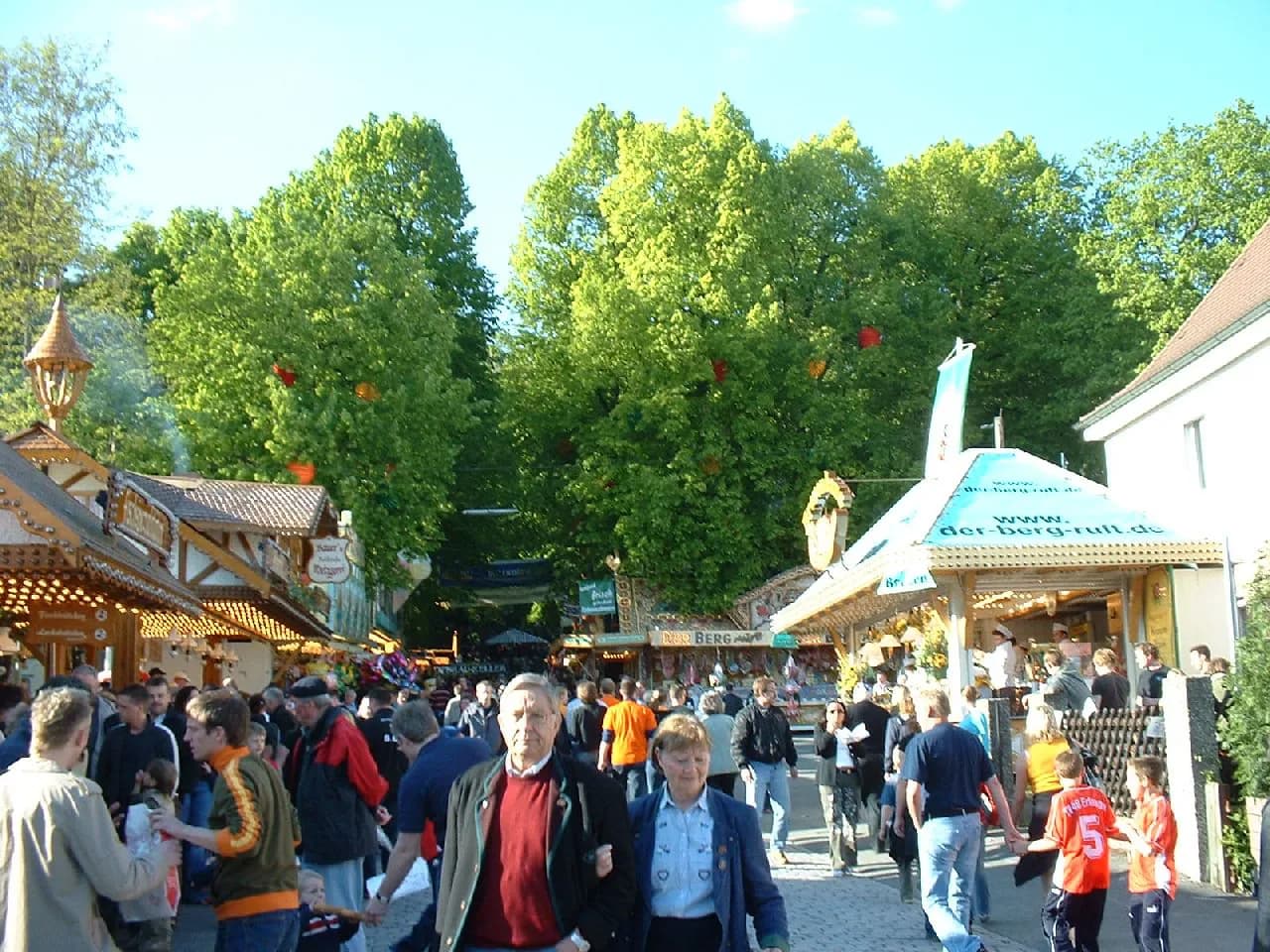
Erlangen's Bergkirchweih, affectionately called the Berg, is one of Franconia's oldest and most beloved folk festivals, drawing thousands to its wooded hillside each year. While many visitors arrive in casual clothes, a notable number embrace traditional German Trachten, especially on weekends when the festival atmosphere is at its peak. This guide helps you decide what to wear so you feel comfortable while joining in the fun.
Do You Need to Wear Traditional Clothing?
The short answer is no. Bergkirchweih has no official dress code, and you'll see plenty of people in jeans and t-shirts, especially on weekday evenings. That said, the festival's Wikipedia page notes that many attendees 'opt to use the occasion to wear their most traditional Bavarian or Franconian outfits, such as Lederhosen and Dirndl'. Wearing Trachten is a sign of celebration and belonging, and many locals enjoy the chance to dress up. If you're new to the festival, you might want to check the Erlangen Bergkirchweih food guide to know what to expect while you're there.
For Women: The Dirndl – Components, Lengths, Apron Bow Code
The dirndl consists of a fitted bodice, a blouse, a skirt, and an apron. You can find versions in any colour, from plain cotton to fancy silk, but keep in mind you'll be outdoors and around beer – silk may be a risky choice. Bodices are close-fitting and often come with lacing; blouses are usually white with puff sleeves. Many women find a dirndl surprisingly flattering thanks to the structured bodice.
Skirt lengths range from above the knee (mini) to ankle-length. The midi, between knee and calf, is the most popular and safest choice for dancing on tables or climbing the festival's hills. Long dirndls are typically worn by waitresses or older women. When trying on a dirndl, bring the blouse you plan to wear – you may need to try several to find the right neckline and sleeve style.
There is a fun tradition regarding where you tie your apron bow. Tied on the right hip indicates you are single or looking; on the left means you are married or taken. A bow at the front centre suggests virginity, and at the back centre, it might mean you are widowed or a waitress. The Erlangen Expat blog notes that this code is not universally observed, so don't overthink it – but it's a fun conversation starter.
For Men: Lederhosen and Shirts
Men traditionally wear leather shorts, or lederhosen, often with a checkered or plain shirt. You can also find long leather trousers for cooler days. Accessories like a traditional hat or a waistcoat complete the look. If you're concerned about looking too touristy, avoid novelty hats or plastic souvenirs.
The Erlangen Expat blog jokingly declares that 'real men wear lederhosen,' but many men wear jeans or casual trousers with a nice shirt. If you're on the fence, perhaps start with a pair of lederhosen – they're durable and surprisingly comfortable for a day of walking. For a more authentic look, choose a shirt that coordinates with your partner's dirndl or a simple white or blue piece.
What About Non-Traditional Outfits?
If you prefer not to wear traditional clothing, that's perfectly acceptable. Many locals dress in casual outfits, especially on weekdays. The key is to be mindful of the festival's atmosphere – some people will be dressed up, but you won't be alone in regular clothes. If you want to blend in but not commit to a full outfit, consider a simple Bavarian-style top or a casual shirt with jeans.
Remember the official rules: backpacks and large bags are strictly prohibited at the festival, and glass bottles are not allowed. You'll need to carry everything in a small bag or pockets, so dress accordingly. Also, dogs are not permitted, so leave your furry friend at home.
Practical Considerations: Weather, Walking, and Bags
The festival takes place on a hillside, so comfortable footwear is essential. Even if you're wearing a dirndl, you'll be walking on grass and uneven paths. Ballet flats, pumps, or clean sneakers are common choices, as noted by the Erlangen Expat. Avoid high heels that could sink into the ground or cause you to trip while climbing the hill. Consider that you might be dancing on benches or tables later – choose shoes that can handle that.
Weather can be unpredictable, with sunny afternoons turning cool in the evening. A light cardigan or a traditional Janker can be handy. Many visitors opt for a small crossbody bag that fits within the festival's bag restrictions – they must be small enough to not be considered a large bag. Leave your backpack at your accommodation to avoid disappointment at the gate.
Common Mistakes to Avoid
Avoid wearing a full traditional outfit if you're not comfortable – it's better to wear a simple dirndl or lederhosen than a costume that feels like a parody. Don't forget that the official rules prohibit backpacks and large bags; you'll need to plan your pockets. Also, steer clear of glass bottles, as they are banned outright.
One common mistake is wearing new, stiff lederhosen or shoes for the first time at the festival. Break them in beforehand or bring blister plasters. Another is donning a dirndl with a low-cut blouse if you don't want to be constantly pulling it up – opt for a higher neckline or use fashion tape. Remember that you'll be outdoors and possibly spilling beer – choose fabrics that don't stain easily.
Where to Buy or Rent in Erlangen
If you want to buy a dirndl or lederhosen, Erlangen has several options. Wirkes Dirndl & Tracht offers a wide selection and helpful advice, while Erlangen Dirndl Garage is known for selling last season's collections at bargain prices. Department stores like C&A, Peek & Cloppenburg, and Galeria Kaufhof also sell Trachten seasonally. For a unique shopping experience, take your partner along to coordinate outfits.
If you're visiting from out of town, consider checking local second-hand shops or online marketplaces for pre-owned outfits. Renting is also possible in some costume shops, but availability may be limited during the festival season. Plan ahead: the best selection is usually before the festival starts, so avoid the last-minute rush.
Plan Your Visit
Bergkirchweih usually takes place in late May and early June, but dates vary each year. Since the festival is held outdoors, check the weather forecast before choosing your outfit. For accommodation, it's wise to book early, as the city fills up quickly. Use the links below to find hotels and plan your trip.
The festival is accessible by public transport, but note that bikes, scooters, and inline skates are not allowed on the festival grounds. For travel tips, check guide on how to get to bergkirchweih. And if you're attending with family, see our advice on visiting with kids.
Plan Your Visit
Deciding what to wear to Bergkirchweih ultimately comes down to your comfort and the weather. Traditional outfits are optional but widely appreciated. If you do choose to wear a dirndl or lederhosen, invest in a piece that fits well and feels like your own style. For more detailed information about food and drink at the festival, consult the Erlangen Bergkirchweih food guide before you go.
Above all, remember the practical rules: leave your backpack at home, wear comfortable shoes for the hills, and check the forecast each day. With the right outfit, you'll feel ready to enjoy everything the Berg has to offer – from the beer tents to the forest paths.
Frequently Asked Questions
Can I wear regular clothes to Bergkirchweih?
Yes, there is no strict dress code. Many locals wear casual clothes, especially on weekdays. On weekends, more people dress in traditional Trachten, but you won't feel out of place in jeans and a shirt. If you want to blend in without wearing a full dirndl or lederhosen, consider a casual styled outfit in a Bavarian fashion.
What should women wear to Bergkirchweih?
Many women wear a dirndl, which consists of a bodice, blouse, skirt, and apron. You can choose from various lengths, with the midi style being most popular. Alternatively, you can wear casual clothes. Remember to wear comfortable shoes for walking on the hillside and avoid high heels that may sink into the ground. The festival's official rules prohibit backpacks and large bags, so keep personal items to a minimum.
What should men wear to Bergkirchweih?
Men commonly wear lederhosen (leather shorts) with a casual shirt, sometimes accompanied by a traditional hat. If you don't have lederhosen, you can wear jeans or trousers with a nice shirt. While there's no dress code, wearing lederhosen is a fun way to join the festive spirit. Ensure you follow festival rules: no backpacks or large bags, and no glass bottles.
What is the apron bow code for dirndls?
According to a traditional but not universally observed code, tying your apron bow on the right hip signals you are single or looking; on the left means you are married or taken. A bow at the front indicates virginity, and at the back centre it might mean widowed or a waitress. Many locals aren't strict about this, so wear your bow wherever feels comfortable.