
Where to Stay for Berliner Festspiele: Best Areas & Hotels
Berliner Festspiele brings together some of the city's most exciting cultural events, from Theatertreffen in spring to Musikfest in autumn and Jazzfest in November. Where you stay can shape your festival experience, especially when events run late or you want to duck back to your room between shows.
The two main venues are the Haus der Berliner Festspiele in the west and the Gropius Bau in the east, with the Philharmonie in between. This guide breaks down the best areas for each venue, transport tips, and booking strategies to help you find your ideal base.
Understanding the Venues: Haus der Berliner Festspiele, Gropius Bau, and Others
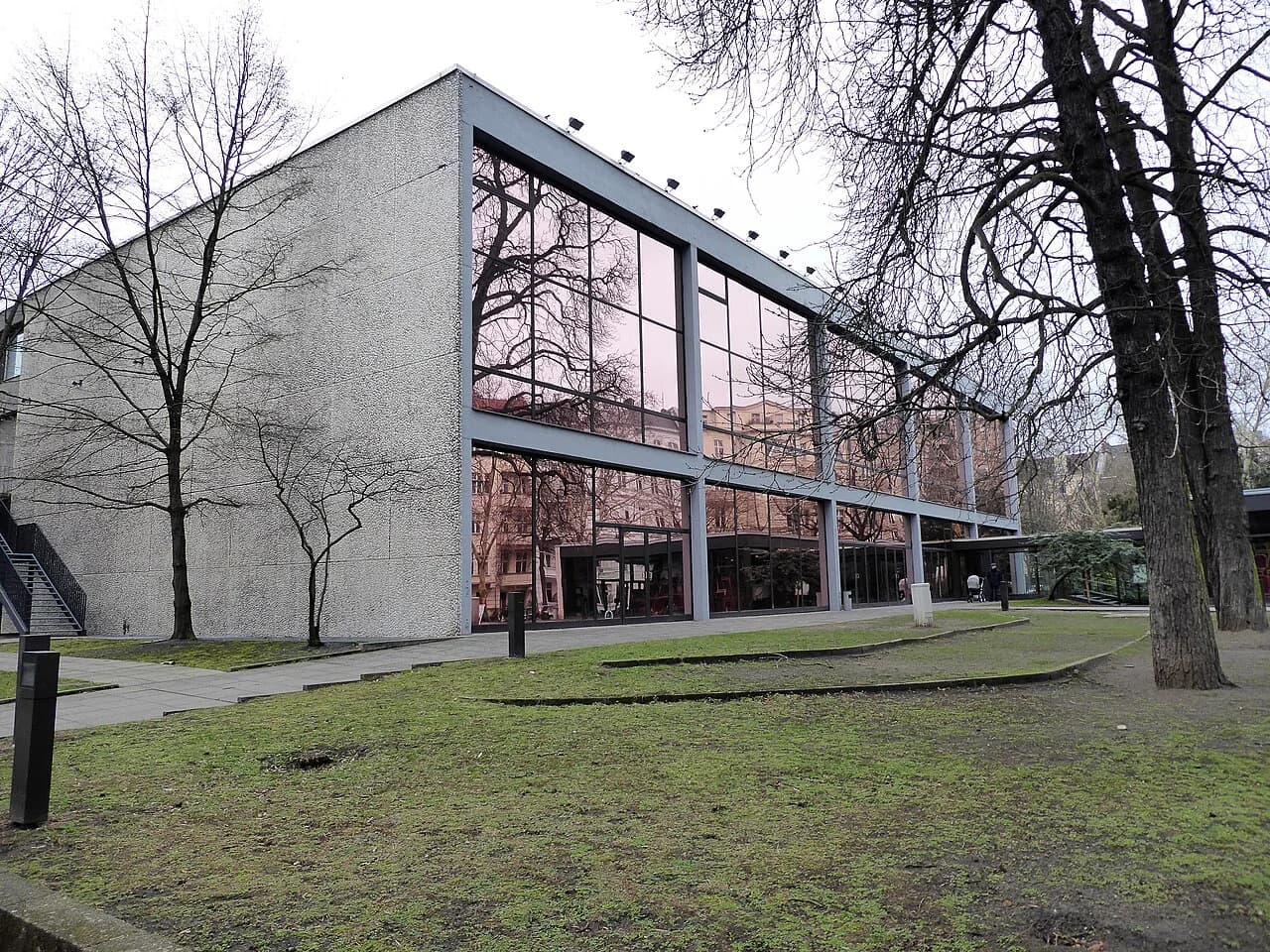
The Berliner Festspiele primarily use two buildings: the Haus der Berliner Festspiele and the Gropius Bau. The Haus, located on Schaperstraße near the border of Wilmersdorf and Charlottenburg, is a 1,000-seat theater hosting Theatertreffen, MaerzMusik, and Performing Arts Season. The Gropius Bau sits on the border of Kreuzberg and Mitte and is one of Germany's largest exhibition venues, known for art shows and installations.
Other venues like the Philharmonie Berlin are used for Musikfest Berlin, in cooperation with the Berliner Philharmoniker Foundation. The Philharmonie is centrally located at the Kulturforum, between Potsdamer Platz and the Tiergarten, making it easily reachable from many central districts.
For specific festivals and program series, also check the official Berliner Festspiele website for a full list of venues and their accessibility information. Some events might be in temporary spaces, as seen with the 'What If Berlin' guided tours on the Ringbahn in 2026.
Best Area for Haus der Berliner Festspiele: Wilmersdorf & Charlottenburg
If your itinerary leans on Theatertreffen, MaerzMusik, or the Performing Arts Season, staying in Wilmersdorf or Charlottenburg puts you just a short walk from the Haus der Berliner Festspiele. This area is residential and quiet, with tree-lined streets and local cafes. It's a comfortable, safe choice, especially for evening performances when you can stroll home without relying on night buses.
Charlottenburg offers convenient access to the Kurfürstendamm shopping boulevard, while Wilmersdorf has a more local feel. Hotels in this area range from cozy guesthouses to mid-range chains, and you can explore options via visitBerlin's accommodation page. Check transport links to U-Bahn and bus stops for easy connections to other venues.
Best Area for Gropius Bau: Kreuzberg & Mitte
For exhibition-goers at the Gropius Bau, staying in Kreuzberg or Mitte is a natural fit. Kreuzberg is known for its vibrant street art, diverse food scene, and nightlife, while Mitte offers more upscale shopping, museums, and historic sites. The Gropius Bau itself is located near the Topography of Terror and Checkpoint Charlie, making it a hub for tourism.
Niederkirchnerstraße, where the Gropius Bau sits, is at the edge of Kreuzberg, so you can choose a hotel in either district. Kreuzberg's neighborhoods like Bergmannkiez or Wrangelkiez have a bohemian vibe, while Mitte's Hackescher Markt is fashionable. Expect easier access to the venue and the city's central attractions, but note that prices can be higher and streets busier.
When booking, consider the trade-off between proximity and noise. Some areas of Kreuzberg are lively until late, which is great for socializing but not for early nights. For exhibition visits, you might also want to explore the Gropius Bau's opening hours and special events like BAUBAU, a free play space for kids.
Transport Connections and Getting Around to Venues
Berlin's public transport – U-Bahn, S-Bahn, trams, and buses – is efficient and well-connected. The Haus der Berliner Festspiele is near the U-Bahn station Spichernstraße (U3/U9) and bus lines, while the Gropius Bau is a short walk from U-Bahn Potsdamer Platz (U2) or Anhalter Bahnhof (S-Bahn). You can easily travel between the two main venues in about 30 minutes.
For festival-goers, consider purchasing a Berlin Welcome Card, which includes free public transport and discounts on many attractions. It might be cost-effective if you plan to use transit frequently. For late-night events, check the Berlin transport website or apps for night service schedules, especially on weekends.
Instead of duplicating a detailed transport guide here, see our sister article on how to get to berliner festspiele, which covers airport transfers, train connections, and getting between venues.
When the City Sells Out: Booking Strategies for Peak Festival Periods
Certain festivals, like Theatertreffen in May or Musikfest Berlin in August-September, draw international visitors and put hotel rooms in high demand. Book well in advance – often three to six months – to secure your preferred location and price. Waiting until the last minute can limit options, especially near the venues.
Flexibility with dates can help: consider arriving a day or two before the festival starts to settle in. Some travelers stay in serviced apartments or guesthouses for longer durations, which can offer more space and kitchen facilities. Websites like Airbnb or local booking platforms can provide alternatives to traditional hotels.
If you're attending multiple festivals in different seasons, compare your options for each trip. For example, a shorter stay might warrant a hotel near the venue, while a week-long visit might be better with a self-catering apartment.
Where to Stay for Specific Festivals (Musikfest, Theatertreffen, Jazzfest)
Musikfest Berlin, held in August-September, mostly takes place at the Philharmonie Berlin. Staying near the Kulturforum, in areas like Tiergarten or Schöneberg, puts you close to the concert hall. Mitte and Potsdamer Platz are also convenient, with modern hotels and excellent S-Bahn connections.
Theatertreffen in May is centered at the Haus der Berliner Festspiele. As noted, Wilmersdorf or Charlottenburg are ideal. For Jazzfest Berlin, which is usually in October or November, the main events often happen at the Haus as well, so the same neighborhoods work.
For each festival, double-check the exact venues on the official program; sometimes there are satellite events at other locations. For example, the 2026 Theatertreffen epilogue 'A Year without Summer' was at Volksbühne am Rosa-Luxemburg-Platz in Mitte, a different location than usual.
Budget, Mid-Range, and Luxury Accommodation Tips
Berlin has a wide price range, but without specific rates, it's wise to define your budget early. Budget travelers might look at hostels or budget chains in areas like Charlottenburg or Neukölln, which are connected by U-Bahn to central venues. Guesthouses and pensions are another cost-effective option.
Mid-range hotels are plentiful in Mitte, Charlottenburg, and Schöneberg. For luxury, consider five-star properties near the Tiergarten or on Kurfürstendamm. Always check reviews on booking platforms for recent guest experiences and verify amenities like free Wi-Fi and breakfast.
Practical Considerations: Late-Night Transport, Food, and Accessibility
Check whether venues have late-night transport options; some bus and tram lines run all night on weekends. For accessibility, the Haus der Berliner Festspiele and Gropius Bau have facilities, but confirm specific needs with the venue or your hotel. Hotels may offer wheelchair-accessible rooms; ask in advance.
Dining: both Wilmersdorf and Kreuzberg offer local restaurants, but options vary. In Wilmersdorf, you'll find traditional German cuisine and international spots. Kreuzberg is famous for its diverse food, including Turkish, Vietnamese, and fusion. Explore the neighborhoods to find your favorites.
If you have more questions about attending your first Berliner Festspiele, our guide for first timers provides practical tips on schedules, dress codes, and what to expect.
Final Summary and Alternative Areas
To sum up, your choice boils down to your primary venue. For Haus der Berliner Festspiele, pick Wilmersdorf or Charlottenburg; for Gropius Bau, Kreuzberg or Mitte. If you're mixing venues, staying in Mitte or Tiergarten offers a central base with easy transit to both.
Alternative areas like Schöneberg, Prenzlauer Berg, or Neukölln are also viable if you prioritize nightlife or budget, but plan extra travel time. Each district has its own character, so weigh the pros and cons of convenience, atmosphere, and cost.
Plan Your Visit
Where you stay for Berliner Festspiele can make or break your experience. Balance proximity with your budget and lifestyle preferences, and always book early for peak seasons. Don't forget to check ticket availability and program highlights before you finalize your plans.
With the right base, you'll be ready to enjoy everything from world-class theater to cutting-edge art. For more festival inspiration, explore other events in Berlin like Lollapalooza Berlin, which might coincide with your visit.
Frequently Asked Questions
What is the best area to stay for the Berliner Festspiele?
The best area depends on which venue you'll attend most. For the Haus der Berliner Festspiele (Theatertreffen, Musikfest concerts, Performing Arts Season), stay in Wilmersdorf or Charlottenburg. For the Gropius Bau exhibitions, Kreuzberg or Mitte are ideal. If attending multiple venues, consider central Mitte or Tiergarten for easy access to both.
Is the Haus der Berliner Festspiele in a good location for tourists?
The Haus der Berliner Festspiele is in a residential area on the border of Wilmersdorf and Charlottenburg. It's not overly touristy but is well-connected by public transport. Nearby attractions include the Kurfürstendamm shopping street, the Kaiser Wilhelm Memorial Church, and the Charlottenburg Palace, making it a suitable base for sightseeing as well.
What hotels are near the Gropius Bau?
There are no specific hotels recommended, but you can search on booking platforms for properties near Niederkirchnerstraße 7 in Kreuzberg or in the adjacent Mitte district. Options range from boutique hotels to luxury chain properties, so it's best to filter by your budget and preferences.
Should I stay near the Philharmonie Berlin for Musikfest?
Yes, if you're primarily attending Musikfest Berlin, which is held at the Philharmonie, consider staying in the Kulturforum area, such as Tiergarten, Mitte, or Potsdamer Platz. These locations allow you to walk to evening concerts and have excellent transport links to other parts of the city.
What is the best way to get around Berlin for festival goers?
The public transport system (U-Bahn, S-Bahn, trams, buses) is efficient and well-connected. You can use single tickets, day passes, or the Berlin Welcome Card for free travel and discounts. A detailed guide is available in our article on how to get to berliner festspiele.