
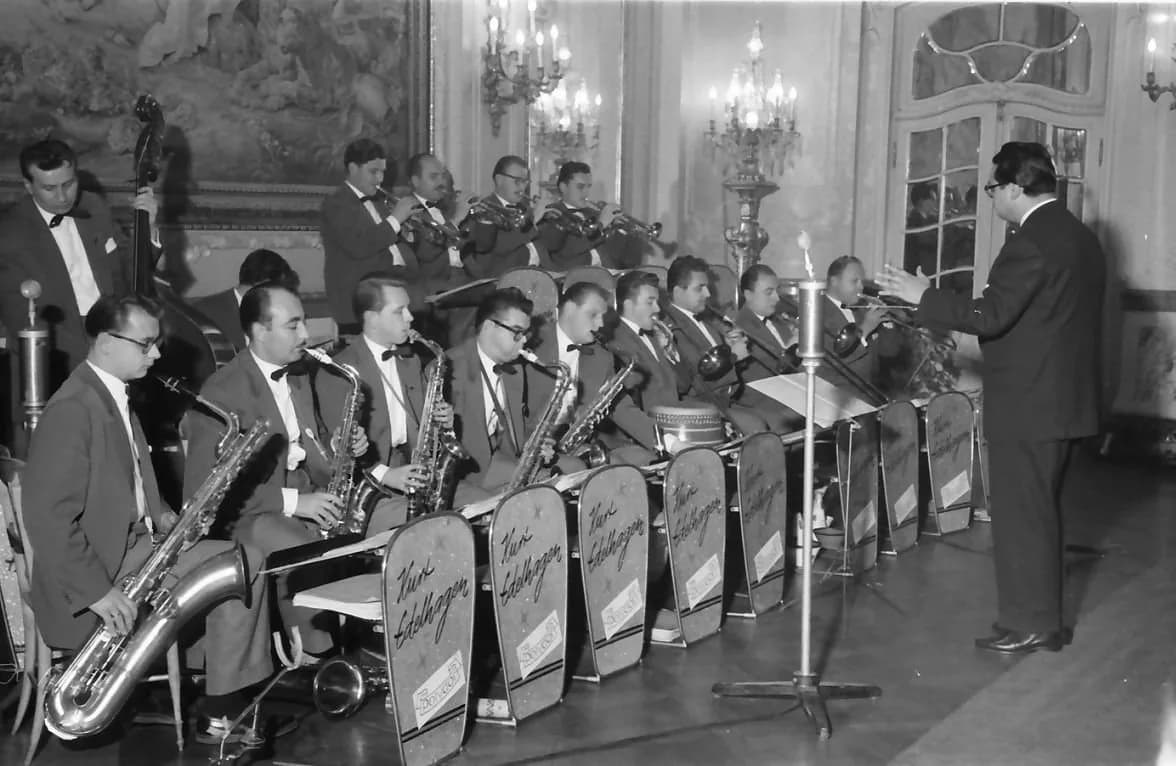
Donaueschingen Festival: The World’s Oldest New Music Festival
The Donaueschingen Festival is a landmark event in the world of contemporary classical music. Known officially as the Donaueschinger Musiktage, this annual festival has been shaping the course of new music for over a century. Since its founding in 1921, it has served as a launching pad for countless world premieres, offering a platform for composers to experiment with radical ideas. According to Wikipedia, it is considered the oldest festival for contemporary music in the world, and its October timing makes it a key date on the international music calendar.
Each year, the festival transforms the small Black Forest town into a hub of sonic innovation. Concerts feature large orchestral forces, intimate ensemble pieces, and electronic performances, often blurring the lines between genres. The event is defined by its commitment to presenting works that have never been heard before, making it a must-attend for music lovers and industry professionals. Whether you are a seasoned avant-garde enthusiast or a curious newcomer, the Donaueschingen Festival offers an unparalleled glimpse into the future of music.
2026 Festival Dates and Theme
The Donaueschingen Festival takes place annually over several days in October. According to the official city website, the 2026 edition is scheduled from 15 to 18 October. However, since dates can change, it is always wise to confirm on the official festival website or city portal before planning your travel. The festival also often adjoins online content, so for those who cannot attend in person, there may be digital offerings.
Since 2023, the festival has been curating each edition around a central theme. The theme changes annually, exploring how contemporary music intersects with current societal issues. The 2023 edition spotlighted works by women composers, with 70 percent of premieres authored by women. For the upcoming 2026 edition, the organizers have yet to announce the theme, but you can check the official site for updates.
A Century of World Premieres: Festival History from 1921
Founded in 1921 under princely patronage, the Donaueschingen Festival has witnessed over a century of musical evolution. Initially focused on chamber music, it quickly became a site for radical new works. Composers like Paul Hindemith, Pierre Boulez, Krzysztof Penderecki, and György Ligeti owe part of their fame to premieres held here, according to the German Federal Cultural Foundation. Through the decades, it has maintained its position as a laboratory for avant-garde composition and sound art.
Since 1950, the festival has been organized by the Gesellschaft der Musikfreunde in collaboration with the SWR and the city of Donaueschingen. This partnership ensures state-of-the-art performances from ensembles like the SWR Symphony Orchestra and the SWR Vocal Ensemble. The festival's dedication to new music has also attracted composers such as Younghi Pagh-Paan, Rebecca Saunders, and Francesca Verunelli, further cementing its international reputation.
What Makes It Unique: New Music, SWR Ensembles, and Experimental Sounds
What truly sets the Donaueschingen Festival apart is its focus on world premieres. Almost every concert features works that have never been performed publicly. The spectrum ranges from large orchestral and choral pieces to electronic performances and interactive sound installations. The cooperation with the SWR Experimental Studio, dedicated to electronic music and sound research, places the festival at the forefront of technological innovation in music.
The festival brings together century-old orchestral and choral traditions with modern digital media and live electronics. This blend is unusual in the classical music world and results in performances that challenge both performers and audiences. A single evening might transition from a fiercely notated string quartet to a piece generated by live algorithms, highlighting the vast stylistic range within the 'New Music' umbrella.
Key Composers and Performers Who Shaped the Festival
Over the years, many key composers have left their mark on the festival. Paul Hindemith's early involvement helped launch his career in the 1920s, while later editions saw names like Pierre Boulez and György Ligeti pushing the boundaries of musical structure. Contemporary composers such as Rebecca Saunders and Younghi Pagh-Paan have also found a platform here, sustaining the festival's reputation as a launchpad for genuine innovation. The festival has also featured performances by renowned ensembles and soloists specializing in modern repertoire.
In recent years, artistic director Lydia Rilling has led the festival into a new era, focusing on international networking and introducing themes that address social relevance. This approach attracted broader attention and solidified the festival's standing as a crucible for musical experimentation.
Venues and Concert Spaces in Donaueschingen
Donaueschingen's venues range from the elegant palace halls to industrial and non-traditional spaces suitable for installations and media art. Temporary acoustics and stage designs created for world premieres ensure that each performance has a tailor-made environment. The town itself, with its Baroque architecture and parks, adds to the festival's unique atmosphere.
While exact venues vary by concert, the festival often uses halls like the Stadthalle Donaueschingen and the municipal theater. For precise venue details during the festival, check the official program, which is released closer to the event date.
How to Attend: Ticket Info and Next Generation Program
Tickets for the Donaueschingen Festival can be purchased individually, but many opt for a festival pass that grants access to multiple concerts. Prices vary depending on the concert category, so be sure to check the official ticketing page for the most current rates. You can expect early, reserved seating to cost more than same-day general admission, but exact numbers should always be verified on the official site.
The 'Next Generation' program is designed to attract younger audiences. It offers around 100 students the chance to attend the festival at a reduced price and participate in workshops. This initiative has been praised for lowering barriers to participation and fostering future audiences. Additionally, the festival occasionally organizes composition workshops for school classes, allowing local youth to have their own music performed.
Beyond the Concerts: Workshops, Installations, and City Events
The festival's program extends far beyond traditional concert halls. Installations and performances take place throughout the city, often surprising visitors in public squares and hidden corners. The organizers plan participatory projects that engage local communities and encourage dialogue between audiences and artists. During the day, you might find panel discussions, workshops, or open rehearsals, offering deeper insight into the creative process.
If you are new to contemporary music, look for the introductory sessions often offered to guide novices through the more challenging pieces. These sessions can range from informal Q&As to guided listening opportunities.
Plan Your Visit: Getting to Donaueschingen and Where to Stay
Donaueschingen sits on the edge of the Black Forest, at the source of the Danube River. The nearest major cities are Freiburg and Zurich, both within a couple of hours' drive or train. The town has its own train station with connections to the regional rail network. For detailed advice on reaching the festival, including driving and public transport options, see our guide to getting there.
Accommodation is limited in this small town, so book well in advance. The festival office maintains a list of local places to stay, including hotels, guesthouses, and private rooms. You can also consider staying in nearby Villingen-Schwenningen or even Freiburg if you don't mind a longer commute.
Plan Your Visit
The Donaueschingen Festival is more than just an event; it's a pilgrimage for those who want to witness the evolution of music. Its long history, paired with its forward-looking approach, makes it an unmissable experience. By planning ahead, securing tickets, and maybe catching the 'Next Generation' program, you can immerse yourself in the sounds that will shape the future.
For practical tips on what to bring and how to prepare, check our packing list and first-timer guides. If you have time, you might also explore other German festivals that celebrate boundary-pushing music, but the Donaueschinger Musiktage will leave a lasting impression.
Explore more Donaueschingen guides
Frequently Asked Questions
What is the Donaueschingen Music Festival?
The Donaueschingen Music Festival, or Donaueschinger Musiktage, is the world's oldest festival dedicated to contemporary music. Founded in 1921, it has a long tradition of premiering new works and has played a crucial role in the development of Western art music.
When is the Donaueschingen Festival 2026?
The 2026 edition is scheduled to take place from 15 to 18 October, according to the official city website. Since schedules can change, it is recommended to verify the exact dates on the official festival site closer to the event.
How old is the Donaueschingen Festival?
The festival was founded in 1921, making it over a century old. It is the oldest festival for contemporary music in the world, with more than 100 editions celebrated.
Who organizes the Donaueschingen Musiktage?
Since 1950, the festival has been organized by the Gesellschaft der Musikfreunde in cooperation with the SWR (Südwestrundfunk) and the city of Donaueschingen. The artistic director is Lydia Rilling, who has been leading the festival since 2022.
What kind of music is performed at the festival?
The festival primarily focuses on new music and contemporary classical, including orchestral works, chamber music, electronic pieces, and sound art. Many performances are world premieres, and the festival often commissions new compositions.