
Moers Festival 2026: Guide to the Avant-Garde Music Festival in Germany
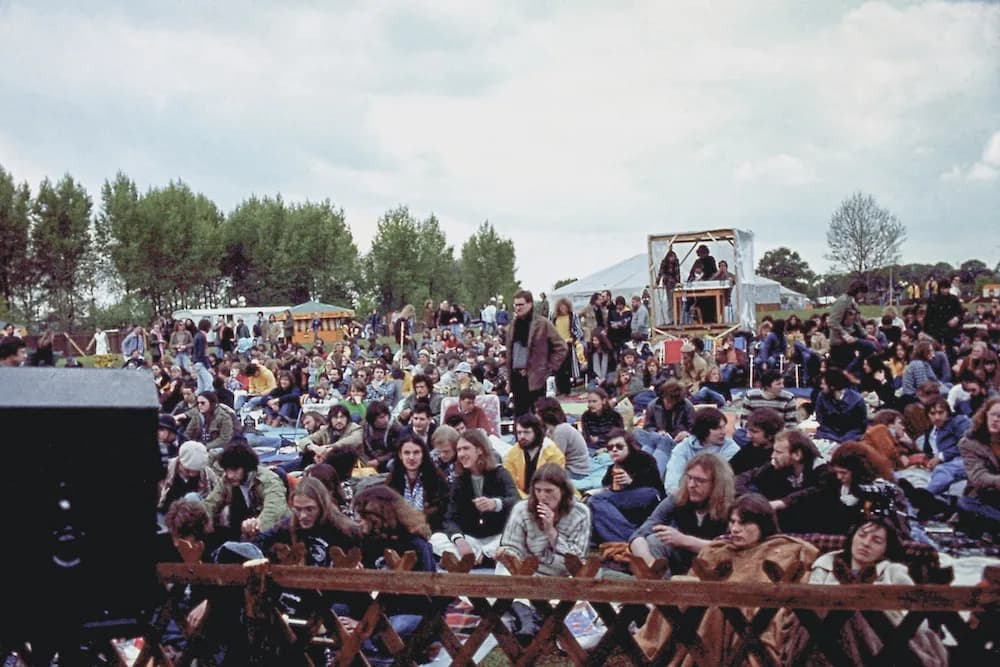
The Moers Festival is a singular highlight in Germany's cultural calendar, drawing thousands of music lovers to the small town of Moers every Whitsun weekend. Unlike typical commercial festivals, it offers a deep dive into avant-garde and experimental sounds, from free jazz to electronic and world music. For those seeking something off the beaten path, this festival is a must-attend event.
Introduction to the Moers Festival: A Whitsun Tradition
The Moers Festival is an annual international music festival held in Moers, Germany, over the Pentecost or Whitsun weekend. This timing is a defining feature, as the festival's exact dates shift each year according to the Christian holiday. In 2026, the 55th edition runs from May 21 to May 25, as announced on the official festival website and subsequent reports. For any future edition, always check the official calendar to confirm the exact Whitsun dates.
The festival has a rich history dating back to the early 1970s, originally focusing on free jazz but later expanding to include world music, contemporary classical, and experimental electronic genres. Over the decades, it has become a vital platform for improvisation and innovative collaborations, attracting both established artists and emerging talents from around the globe.
What Makes the Moers Festival Unique? A Blend of Jazz and Avant-Garde
What sets the Moers Festival apart is its unwavering commitment to musical audacity and fresh auditory impulses. Unlike mainstream festivals, it prioritizes artistic exploration over commercial appeal, often featuring artists who defy easy categorization. The festival's programming includes performances, workshops, and multi-day composition projects that encourage spontaneous creativity.
For instance, the 2026 edition boasted an 'Improviser in Residence' concept, which invites a single artist to collaborate with local musicians throughout the festival. Additionally, multi-day composition projects, such as the one premiered by Gellért Szabó's Ideal Orchestra in 2026, highlight the festival's dedication to large-scale, site-specific works. This unique format fosters a deeper connection between artists and audience, making every edition a one-of-a-kind experience.
History and Evolution: From Free Jazz to International Experimental Music
The Moers Festival's evolution from a free jazz gathering to a broader international festival mirrors the changes in the avant-garde music scene. According to Wikipedia, the festival has historically featured pioneering figures in improvisational music, and over time, it has integrated world music traditions and electronic sounds. This eclectic mix is a testament to its adaptive and forward-thinking approach.
Today, the festival is known for interdisciplinary projects that blend music with other art forms, creating performances that challenge and delight audiences. The artistic direction under Tim Isfort has emphasized both international exchange and support for local talent from North Rhine-Westphalia, ensuring the festival remains grounded in its community while reaching global audiences.
The 55th Edition (2026): Dates, Venue, and Motto
The 55th edition of the Moers Festival in 2026 took place from May 21 to May 25, marking a return to the heart of Moers with the large open-air stage set up right on Kastellplatz. This central location, surrounded by the festival village and familiar venues like churches, the castle, and the park, emphasized the festival's integration with the town's daily life. The motto '...like a fairytale' set the tone for an edition filled with whimsy and audacity.
Around 200 artists from over 20 nations participated, bringing diverse musical perspectives to the festival. The official festival site notes that the large open-air stage on Kastellplatz was a key feature, allowing for free access to some performances and creating a festive atmosphere in the town center. For the 2026 edition, the festival also continued to unfold across surrounding venues, including the Peschkenhaus and the district council office, showcasing the town's architectural diversity.
Experimental Encounters and Improviser in Residence
A notable feature of recent editions is the 'Improviser in Residence' program, which invites an individual artist to embed themselves in Moers for an extended period leading up to the festival. In 2026, this role was filled by Evi Filippou, who collaborated with local students and musicians to create improvisational moments during the festival. This initiative not only enriches the festival experience but also strengthens ties between visiting artists and the local community.
Additionally, the 'Experimental Encounters' series presents unique collaborations that often premiere at the festival. For example, the 2026 edition featured a multi-day composition project titled 'Modern Man and the Holy Mountain' by Gellért Szabó's Ideal Orchestra, which premiered over three days at different venues. These projects push the boundaries of conventional performance, making each edition a fertile ground for artistic innovation.
Festival Village and Local Venues: Where the Music Happens
The festival village on Kastellplatz serves as the heart of the event, with food stalls, merchandise, and a meeting point for attendees. Surrounding this hub are various indoor venues that host a range of performances, from intimate concerts to large-scale presentations. The mixture of open-air and indoor settings allows for a varied sensory experience, with acoustics tailored to the experimental nature of the music.
Tickets and Attendance: What to Expect
Tickets for the Moers Festival can be purchased through the official website, with options for day passes and full-festival tickets. While specific pricing is not listed here, costs are comparable to other European festivals of its kind. For those planning to attend, especially for the first time, our detailed guide on [moers festival tickets](here) provides practical advice on securing passes and planning your budget.
Attendance numbers fluctuate, but the festival attracts a dedicated following of avant-garde music enthusiasts from across Europe and beyond. Given the intimate scale of some venues, early ticket purchase is recommended, particularly for popular performances. For newcomers, our [Moers Festival for First-Timers](here) resource offers insights into navigating the festival layout and making the most of your visit.
Volunteering and Getting Involved
Volunteers are essential to the festival's success, and each year the Moers Festival recruits individuals to assist with various tasks, from stewarding to artist liaison. In exchange for their time, volunteers often receive free access to the festival outside of shift hours, along with the opportunity to be part of a vibrant cultural event. The official festival website has a dedicated 'Volunteers' section where interested parties can find information on how to apply and what to expect.
How to Get to Moers Festival
Moers is located in North Rhine-Westphalia, Germany, and is accessible by train, car, and even bicycle. The nearest major airports are Düsseldorf and Cologne/Bonn, with onward train connections to Moers. For a detailed breakdown of transportation options, including parking tips and public transit routes, our guide on [how to get to Moers Festival](here) offers step-by-step directions. Whichever mode you choose, plan ahead, as Whitsun weekends can see increased travel demand.
Questions to ask: Is Moers the Biggest Jazz Festival in Germany?
A common question is whether Moers is Germany's biggest jazz festival. While it is highly respected and draws international acts, the claim of being the 'biggest' is not supported by authoritative sources. Germany's jazz scene is diverse, with events like Jazzopen Stuttgart and Enjoy Jazz competing in scale. Instead, Moers is best described as the most avant-garde and experimental, a unique niche that differentiates it from larger but more mainstream festivals.
Plan Your Visit
Attending the Moers Festival is more than just a musical experience; it is an opportunity to witness the frontier of creative expression in a charming German town. Whether you're drawn to the experimental performances, the vibrant festival village, or the sense of community, Moers offers an unforgettable adventure. Remember to book your accommodation early, prepare for changing weather, and keep an open mind.
Explore more Moers guides
Frequently Asked Questions
What is the biggest music festival in Germany?
Germany's biggest music festivals by attendance include Rock am Ring, Wacken Open Air, and Fusion Festival, but none are jazz or experimental music events. The Moers Festival is not the largest in overall size but is the most prominent for avant-garde and free jazz, attracting a niche but dedicated international audience.
What are some popular summer festivals in Germany in 2026?
Germany hosts many summer festivals in 2026, including the Moers Festival over Whitsun (May 21-25), classical music events like the Bayreuth Festival and Donaueschinger Musiktage, and pop/rock gatherings. For experimental and avant-garde music, Moers is a key destination.
What are the big music festivals in Europe?
Europe's major music festivals include Glastonbury (UK), Sziget (Hungary), and Primavera Sound (Spain), mainly focusing on mainstream genres. For jazz and experimental music, notable ones are Montreux Jazz Festival (Switzerland), and the Moers Festival (Germany), which specializes in avant-garde and improvisation.
Is Moers the biggest jazz festival in Germany?
No, Moers is not the biggest jazz festival in Germany by attendance. That title likely belongs to events like Jazzopen Stuttgart or Enjoy Jazz. However, Moers is considered one of the most important for free jazz and experimental/improvising music, with a unique festival village and a focus on new compositions.