
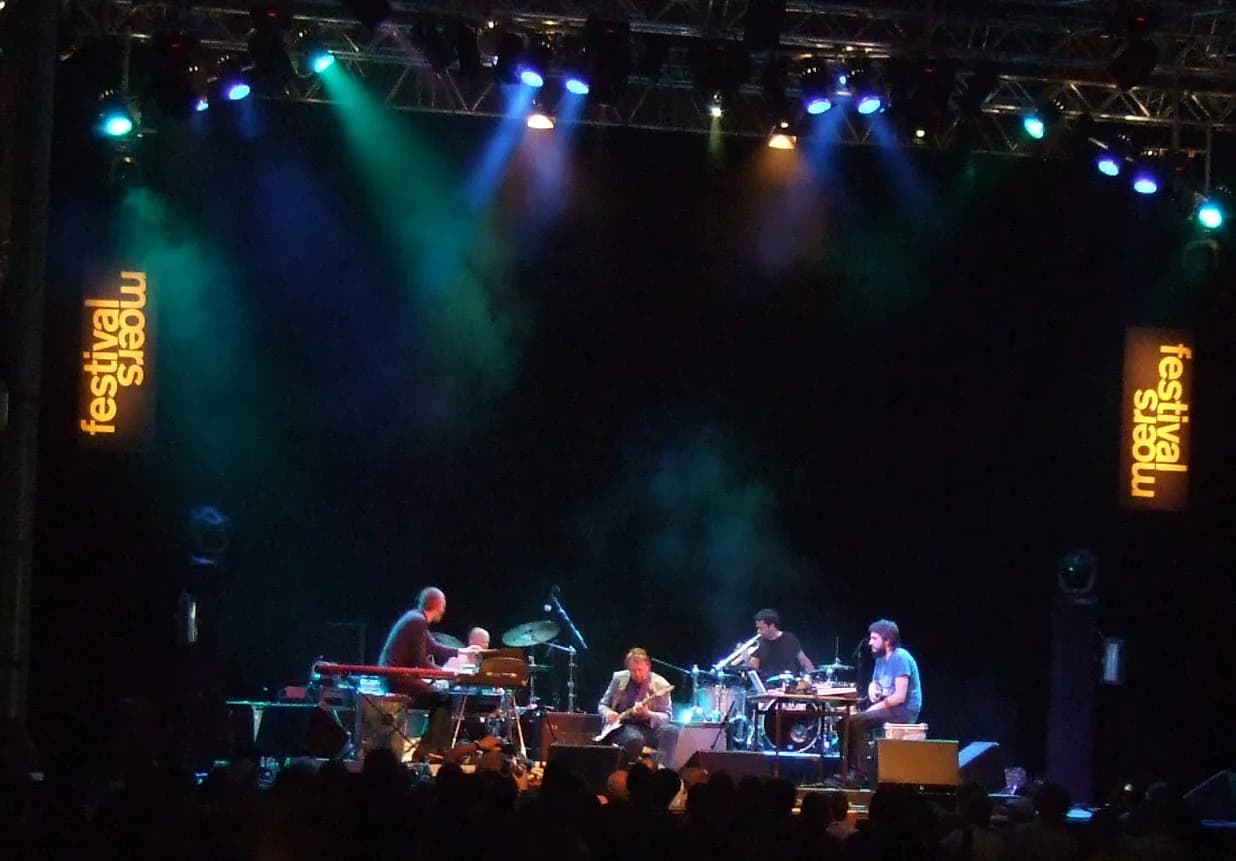
Moers Festival for First-Timers: Your Complete Guide
The Moers Festival, held annually in the small German town of Moers, is not your typical music festival. It eschews mainstream acts in favor of free improvisation, avant-garde jazz, world music, and electronic experimentation. Founded in 1972, it has become a legendary event for aficionados of unconventional sound. For first-timers, the festival offers a unique adventure, but its non-traditional format requires some preparation.
This guide is designed to help you navigate the festival's distinctive landscape. You'll learn about its history and philosophy, understand the ticket options, and get insider tips on handling concert clashes. We'll also cover practical aspects like getting to Moers, what to bring, and how to make the most of the festival's unique venues, ensuring you have a memorable experience.
Understanding the Festival's Format and Philosophy
The festival is known for its eclectic programming. Artistic director Tim Isfort has described it as being "open to pretty much everything, except mainstream music." This means you might encounter free jazz, drone metal, contemporary classical, or field recordings. The festival has moved away from its free jazz roots, now embracing a wide range of experimental genres. The philosophy is to provide a "stage for the unheard", presenting artists you won't see at commercial festivals.
A key aspect is the "curate your own festival" concept. With numerous concerts happening simultaneously, you must choose which acts to see. The festival encourages exploration and discovery, and your choices shape your unique experience. This is a deliberate design, encouraging attendees to actively engage with the program rather than passively consuming a lineup.
Choosing Your Ticket Type and Understanding Pay-What-You-Want
One of the most distinctive features of the Moers Festival is its ticketing approach. In recent years, the festival has operated on a "Pay What You Want" (PWYW) basis. This means you can decide how much you pay for a ticket, within (presumably) certain limits. This innovative model aims to make the festival financially accessible while also evaluating what attendees value. For exact pricing tiers and conditions, it's best to check the official festival communications closer to the event date.
There are typically various ticket options, such as day passes and full festival passes, and some events may be free. For example, the opening concert in 2026 was free for all city residents. As a first-timer, you'll want to understand these options before you go. Look for updates on the festival's ticketing information to see what's offered, as details may change annually.
How to Get to Moers and Navigate the City
Moers is a small city of about 100,000 residents, located on the western bank of the Rhine. It's easily reachable by train from major cities like Düsseldorf or Cologne, typically requiring a transfer at Duisburg. The festival website provides detailed travel info, but as a rule, you'll likely arrive at Moers Hauptbahnhof and then take a short bus ride or walk to the festival venues. For more detailed directions and options, consider checking a dedicated guide.
Once you're in Moers, you'll find that the festival spreads through the city center, making it easy to explore on foot. The compact nature of the town means you can walk between many venues, but you might want to use a bike for faster travel. The festival often has a bike-sharing system with distinctive yellow and red bikes, as noted in past editions. This allows you to cover more ground and enjoy the city's atmosphere.
Festival Venues: Schlosshof, Kastellplatz, and Intimate Indoor Spaces
In 2026, the festival expanded to five days and returned to the city center after a decade in the park. The main stage is located at the Kastellplatz, an open square, while the historic Schlosshof (castle courtyard) hosts other performances. This return to the city center has been celebrated for reconnecting the festival with Moers residents and creating a vibrant urban atmosphere.
Beyond the big stages, you'll find intimate concerts in galleries, bookshops, bars, and even unusual spaces like a former swimming pool or a local electronics store. These small venues often host some of the most memorable and experimental acts. As a first-timer, make sure to explore beyond the main stages, as these hidden gems are part of the festival's charm. The 2026 edition featured performances in a Wahlkreisbüro (electoral office) and at the Altes Landratsamt (old district office), showing how the festival uses every corner of the town.
Creating Your Personal Schedule: Handling Clashing Concerts
One of the biggest challenges at Moers is that many concerts overlap, forcing you to choose what to see. This is intentional: the festival wants you to curate your own experience. To navigate this, you should prioritize must-see acts and have a backup plan for each slot. Be flexible, it's okay to alter your plans based on recommendations or your mood.
Another tip is to take advantage of the intimate venues. Large concerts can be overcrowded, but smaller performances offer a chance to see artists up close. If you miss a show, don't worry, you might catch a similar vibe elsewhere. The official program and app typically provide real-time updates and venue changes, so check them regularly.
What to Bring (and What to Leave at Home)
Packing wisely is crucial for your comfort. Essentials include earplugs, as experimental music can be surprisingly loud, and comfortable shoes, since you'll be walking between venues. Weather-wise, be prepared for sun and rain, so bring layers and a raincoat. Also, consider a small backpack to carry your purchases and any merch, but keep it light.
You might also want to carry a bottle of water (reusable) and a power bank for your phone. Leave behind any big cameras or professional recording equipment, as these are often prohibited inside venues without press accreditation. Finally, bring cash and card, as some smaller venues may still prefer cash but ATMs are available in the city.
Food, Drink, and Local Amenities: Practical Tips
The festival provides food stalls with a variety of cuisines, but you might want to explore local restaurants to get a taste of Moers. The city has a range of eateries, from traditional German to international options. For a mid-concert snack, you'll find kebab stands and cafes near the venues.
When it comes to amenities, there are usually portable toilets at festival sites, but they may be limited. Some venues have proper restrooms, but expect queues. It's also wise to stash some snacks in your bag to avoid hangry moments during long performances.
Making the Most of the City: Installations and Community Events
The Moers Festival is not just about concerts. It fosters a strong connection with the city through the "moersify" series, where musicians perform free unplugged acts in unusual venues like hairdressers' salons or the mayor's office. These events are a great way to experience the local culture and see artists in an intimate setting.
Additionally, the festival commissions installations across town, some of which are interactive. The 2026 edition featured an Improviser-in-Residence, Evi Filippou, who led a community percussion project. Participating in these activities can make your visit more immersive and help you feel the festival's energy.
Common Mistakes First-Timers Make and How to Avoid Them
Many newcomers underestimate the importance of planning. Since concerts clash, you must prioritize, so without a schedule, you'll feel overwhelmed and might miss out on acts you care about. To avoid this, thoroughly review the program and mark your must-sees. Also, note that some venues have limited capacity, so arrive early to secure a spot.
Another mistake is not exploring the city. The festival's venues are scattered, and many unique performances happen in unexpected places. Don't just stick to the main stages; use the map to navigate between locations and be open to discovering something new. Also, remember that the festival is a marathon, not a sprint; pace yourself to enjoy the weekend fully.
Final Tips for a Memorable Moers Festival Experience
As you prepare for your first Moers, keep an open mind. The music can be challenging, but the experience is rewarding. Trust your instincts and follow the sounds that intrigue you. Engage with local attendees, as they often have valuable insights. Don't forget to check the festival's official channels for real-time updates.
In conclusion, the Moers Festival is a unique experience that defies expectations. With this guide, you're now ready to navigate its complexities and embrace its creativity. Whether you're a jazz aficionado or an electronic fan, you'll find something to love. Remember, the festival is what you make of it, so craft your own adventure and enjoy the journey.
Plan Your Visit
The Moers Festival is a unique celebration of experimental music that offers a truly immersive experience. By understanding its format, planning your schedule, and embracing the unexpected, you'll make the most of your visit. Remember, the festival's motto is to curate your own experience, so don't be afraid to deviate from the mainstream.
For practical planning, check the official festival website for dates, lineup, and ticketing updates. Also, explore other resources like our guide on tickets to understand your options. Safe travels and enjoy the sounds of Moers!
Frequently Asked Questions
What are some tips for first-time festival goers?
Start by researching the festival's program online before you go and mark at least one must-see act per day. Be prepared for outdoor weather changes with layers. Bring earplugs and stay hydrated. Since the festival is spread across the city, take time to explore various venues and not just the main stage. Finally, keep an open mind, the music might be unlike anything you've heard before, but that's the point.
What should I bring to my first music festival?
Essential items include comfortable shoes, earplugs, a reusable water bottle, sunscreen, a raincoat, and a power bank. Also bring cash and a debit/credit card for food and merchandise. Avoid bringing large bags, as some venues have limited space or security checks.
How does the Pay-What-You-Want ticketing work at Moers?
The Moers Festival has adopted a Pay-What-You-Want model for tickets. This means you decide how much to pay, with a minimum perhaps, and your contribution supports the festival. It's a flexible approach that allows more people to attend. For detailed conditions, such as specific tiers or minimum amounts, you should consult the festival's official ticketing page.
What kind of music is at Moers Festival?
The festival features an eclectic mix of experimental genres, including free jazz, improvised music, avant-garde, world music, electronic, and contemporary classical. It intentionally avoids mainstream pop and rock, focusing on boundary-pushing sounds and unique performances.
Where is the Moers Festival held?
The festival takes place in the city center of Moers, Germany. Key venues include the Schlosshof (castle courtyard) and the Kastellplatz, with various performances in galleries, bars, and other unconventional spaces throughout the town.