
8 Essential Dürkheimer Wurstmarkt Decisions for Your First Visit
Last updated August 2026. Despite its sausage-market name, the Dürkheimer Wurstmarkt centers on local wine, food, shared seating, entertainment, games, and fairground rides in Bad Dürkheim. This guide explains eight essential decisions, from choosing a wine area to protecting your return journey.
Dürkheimer Wurstmarkt at a Glance
Bad Dürkheim hosts the festival across two September weekends. Its fixed rule runs from Friday through Tuesday, followed by Friday through Monday. That pattern produces nine listed festival days. Always use the rule for early planning, then confirm the next dated edition on the official Wurstmarkt page. Official tourism presents the event as the world's largest wine festival. A regional tourism overview reports more than 600,000 visitors, 36 traditional pushcart stands, and around 300 wine specialties. Those scale figures explain why transport and meeting arrangements matter.
| Planning point | What to know |
|---|---|
| Location | Bad Dürkheim, Germany |
| Fixed recurrence | Two September weekends: Friday to Tuesday, then Friday to Monday |
| Listed duration | Nine days, derived from the fixed recurrence rule |
| Main focus | Local wine, food, communal areas, entertainment, rides, and games |
| First planning action | Confirm the dated program, map, visitor rules, and return transport before departure |
What Is the Dürkheimer Wurstmarkt?
Wurstmarkt translates as sausage market, but wine holds the central role at the modern event. Official descriptions combine local wines with food stalls, communal seating, entertainment, rides, and games. This mix makes the event broader than a formal wine tasting. Visitors can compare wines, sit for a meal, browse the fairground, or concentrate on the scheduled program. Drinking is optional rather than the price of participation. Food, rides, games, and social areas give non-drinkers separate reasons to attend. Scale also changes the planning challenge. More than 600,000 reported visitors cannot be treated like a guarantee for one date, but the figure signals a major event. Agree on one meeting point and one return plan before your group separates.
8 Essential Dürkheimer Wurstmarkt Experiences and Decisions
These eight items form a practical first-visit route. Suggested durations are editorial planning estimates, not official operating times. Adjust each stop after checking the current map and daily program.
- 1. Start with an orientation circuit
- Allow about 30 minutes to identify the wine areas, food stalls, rides, exits, and one meeting point.
- Use the current official map because the regional tourism description says the fairground layout can change.
- Save a map copy on your phone in case mobile service becomes unreliable.
- 2. Try a traditional Schubkarchstand
- Official tourism lists 36 Schubkarchstände, or pushcart stands, with narrow tables and benches.
- Choose this area when shared seating and easy conversation matter more than personal space.
- Allow 45 to 90 minutes, then reassess the noise and crowd level before ordering again.
- 3. Compare the Weindorf
- The regional overview lists 13 wine tents and four gastronomy tents in the Weindorf.
- This area suits visitors who want a more meal-focused setting and time to examine wine choices.
- Check current seating, service, and reservation arrangements before relying on a specific table.
- 4. Pair wine choices with food
- Eat before making the wine area your longest stop, especially during a full-day visit.
- Menus, serving procedures, portions, and payment methods can change between vendors.
- Visitors who avoid alcohol can make food the central activity and add rides or entertainment.
- 5. Browse rides and games selectively
- Official descriptions confirm rides, games, classic attractions, and options intended for children.
- Set a separate ride budget because these purchases sit outside food and drink spending.
- A 60-minute circuit is usually enough to identify attractions worth returning to later.
- 6. Build the day around the official program
- Entertainment can shape the noise level, seating demand, and ideal arrival period.
- Choose one priority program item instead of trying to cover every area in a single visit.
- Confirm access and booking rules because selected activities may operate separately from general festival access.
- 7. Use the Dürkheimer Riesenfass area as an orientation check
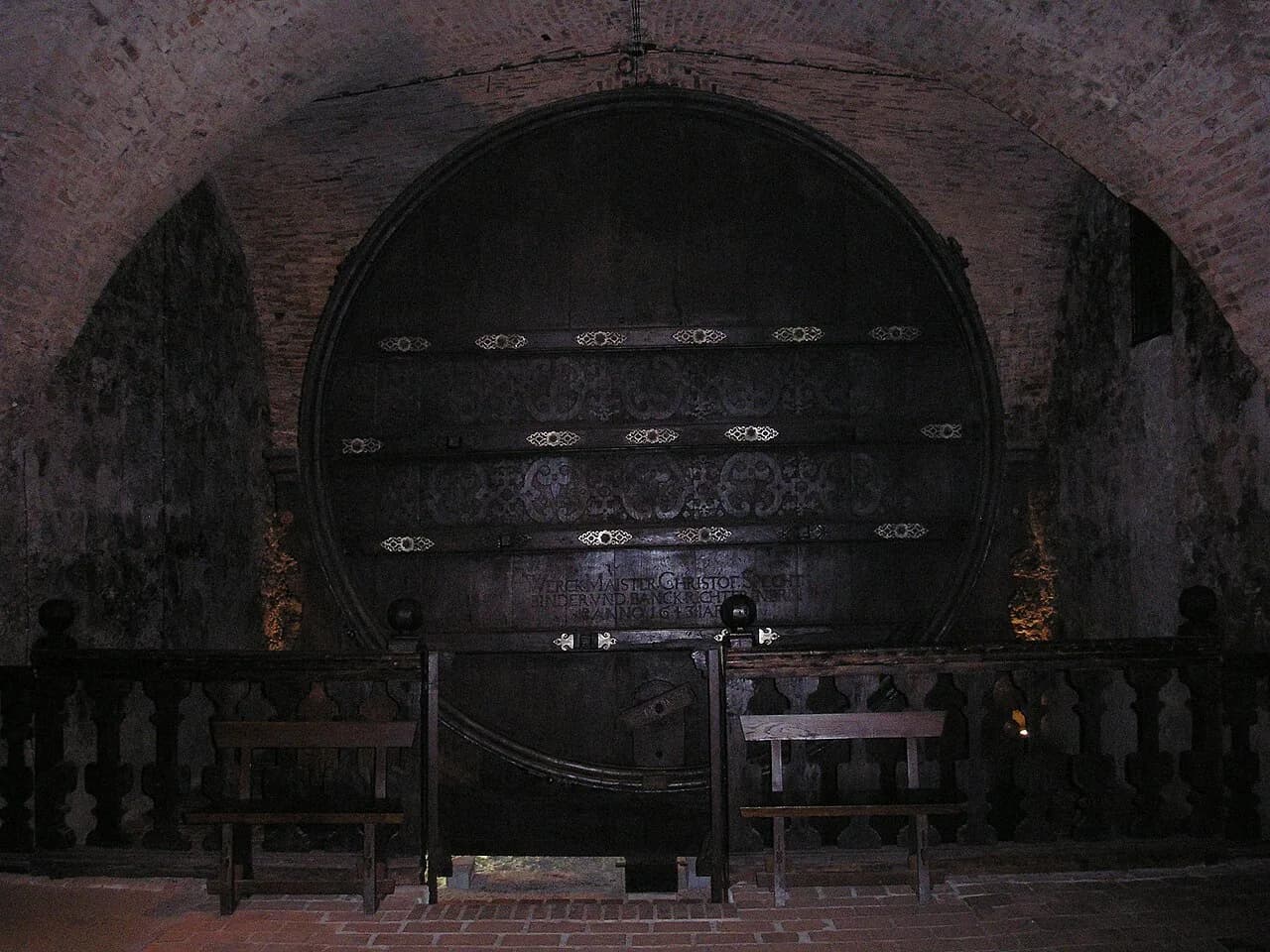
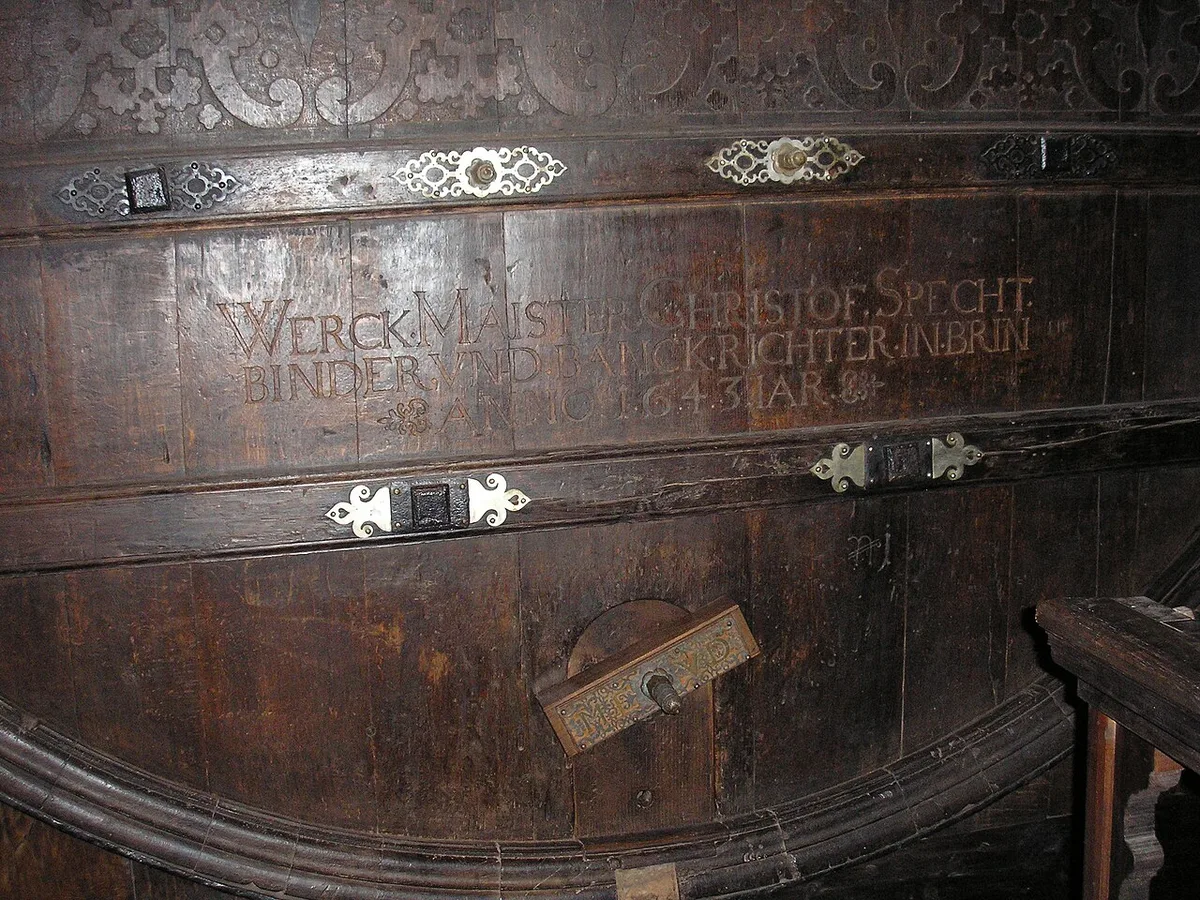
- The Dürkheimer Riesenfass appears in supplied festival coverage as a recognizable feature near the event.
- Verify its current access and operating status before planning a meal or indoor stop there.
- Choose an official landmark for reunions, but confirm that everyone can identify it on the current map.
- 8. Protect the return journey before the first order
- Check the final practical connection before entering a wine area or joining an entertainment program.
- Drivers should appoint a non-drinking driver before arrival and confirm current parking arrangements.
- An overnight stay removes dependence on a late return, but accommodation should be reserved early.
Which Festival Area Should You Choose?
Each area serves a different purpose. Crowd intensity and noise can change with the daily program, weather, and arrival period. Treat the comparisons below as editorial guidance. Confirm the current layout, seating system, reservations, and accessibility details through official information.
| Area | Setting and seating | Food expectations | Noise and crowd outlook | Best fit | Key check |
|---|---|---|---|---|---|
| Schubkarchstände | Narrow communal tables and benches across 36 listed stands | Check each stand and nearby vendors | Close social contact; intensity can rise with demand | Groups and sociable visitors | Ordering method and available space |
| Weindorf | 13 listed wine tents with a more meal-oriented setting | Four listed gastronomy tents in the regional overview | Potentially more structured, but still busy | Wine-focused visitors and couples | Reservations, table service, and current menus |
| Covered or entertainment-focused areas | Larger shared areas; arrangements depend on the program | Vendor-specific choices | Likely louder during performances | Groups prioritizing music or scheduled entertainment | Program access and any advance booking |
| Rides and food-stall areas | Primarily a walking and activity zone | Broader casual choice, subject to the current vendor list | Movement and ride noise rather than seated conversation | Families, non-drinkers, and mixed-interest groups | Ride availability, height rules, and payment |
Best Time to Visit: Daytime or Evening?
Daytime usually gives first-time visitors more room in the schedule for orientation, food, and rides. That is an editorial planning advantage, not a promise of low crowds. Evening-focused visits place more weight on entertainment, atmosphere, and the return connection. Families may prefer an earlier window because it leaves time to reassess noise and crowd conditions. Social groups might favor a later program, but they need a firm departure alarm. Avoid assuming the two festival blocks follow identical schedules. Each contains different weekdays, while individual program items may occur only once. Review the dated program before choosing between the first Friday-to-Tuesday block and the second Friday-to-Monday block.
How Long Should You Spend at the Festival?
Visit length should reflect your priorities and return options. The estimates below are editorial planning ranges. They are not official durations or opening hours.
| Visit style | Suggested commitment | Good for | Transport consideration | Main trade-off |
|---|---|---|---|---|
| Short daytime introduction | 2 to 3 hours | Orientation, one food stop, and one festival area | Choose a return with at least one fallback | Little time for entertainment or rides |
| Half-day visit | 4 to 6 hours | Two wine areas, food, and a fairground circuit | Recheck the return after arrival | Requires pacing and clear priorities |
| Full-day visit | 7 to 9 hours | Wine, food, rides, and one program item | Carry both the primary and backup departure details | More standing, spending, and weather exposure |
| Overnight stay | One festival day plus one night | Evening programs and groups avoiding a late return | Book lodging and onward travel together | Higher cost but less dependence on the final connection |
A Practical First-Visit Sequence
A fixed sequence reduces early decision fatigue. Complete the first two steps before anyone orders alcohol. Later steps can change with weather, energy, and program availability.
| Step | Action | Decision |
|---|---|---|
| 1 | Confirm the homeward route and backup | Decide the non-negotiable departure time |
| 2 | Walk an orientation circuit | Mark an exit, meeting point, and preferred area |
| 3 | Read menus and service signs | Check prices, payment, portions, and deposits |
| 4 | Choose one wine or social area | Match seating and noise to the group |
| 5 | Eat and drink water | Review the remaining time and spending |
| 6 | Explore rides, games, or entertainment | Select one priority instead of rushing |
| 7 | Begin the return buffer | Leave enough time for queues and route changes |
Dates, Opening Hours, and the Two-Weekend Rule
Festival timing follows a fixed recurrence rule. The first September block runs Friday through Tuesday. A second block follows from Friday through Monday. State this rule when the next edition's dated calendar has not been checked. Never convert an assumed September weekend into a confirmed date. Wednesday and Thursday between the blocks are not included in the fixed festival rule. Do not assume full operations on those days. Any interim activity requires confirmation from the current official program. Supplied evidence does not establish one universal opening time for every area. Verify daily hours for wine service, rides, entertainment, and special activities separately.
Tickets, Reservations, Deposits, and Costs
No current official price list is supplied for publication, so older blog prices should not be reused. Check the official event page, current program, and vendor information for amounts in €. Confirm general access rules separately from paid rides, food, drinks, reserved seating, and special activities. Ask whether a glass deposit applies before ordering. Also confirm where and how that deposit is refunded. Payment acceptance may differ by vendor, so check card and cash arrangements before departure. A short walk-through with one purchase should cost less than a meal, several rides, and an evening program. An overnight visit adds lodging and another transport segment. Those relative comparisons are safer than an invented total budget.
| Budget category | What to verify | Planning approach |
|---|---|---|
| Access and special activities | General entry terms, reservations, and separate tickets | Book only through the source named by the current program |
| Wine and deposits | Menu price, serving size, deposit amount, and refund point | Keep the deposit separate from the drink cost |
| Food and non-alcoholic drinks | Current vendor menus and payment methods | Budget for a proper meal before extended tasting |
| Rides and games | Individual prices and accepted payment | Set a separate limit, especially for families |
| Accommodation | Room total, cancellation terms, and onward transport | Compare the added cost with the risk of a late return |
Getting to Bad Dürkheim and Returning Safely
Train and car plans require live information for the exact festival day. Enter your origin, arrival target, and preferred departure in the relevant journey planner. Then record one later or alternative connection. Supplied sources do not support publishing a universal journey time, service frequency, or station walking route. Car users should consult the current official arrival page for parking, restrictions, and any shuttle arrangements. Never rely on a previous edition's parking map. Groups using a car need one designated non-drinking driver. Anyone planning to drink should favor public transport, a confirmed pickup, or an overnight stay. Weather, large crowds, and service disruption justify a longer return buffer than an ordinary day trip.
| Mode | Check before leaving | Main advantage | Main risk |
|---|---|---|---|
| Train | Exact route, transfers, final practical return, and one backup | No parking task and no designated driver needed | Dependence on the timetable and disruption |
| Car | Official parking, restrictions, access changes, and driver plan | More control over departure if parking is confirmed | Parking uncertainty and strict need for a sober driver |
Where to Stay for the Wurstmarkt
One night can be worthwhile when an evening program would make the last practical return uncomfortable. Accommodation near the festival reduces the final travel step, but noise and demand may be concerns. A room farther away may provide a calmer night while adding another transfer. Rail-connected lodging can balance those priorities if the service remains useful after your planned departure. Book early once the official dates are confirmed. Avoid choosing a property solely from an old article or historic room rate. Check the walking route, cancellation terms, nighttime access, and onward journey together. A cheap room loses value when the final connection does not match the festival schedule.
Planning for Wine Travelers, Groups, Families, and Non-Drinkers
Four visitor profiles need different plans. Wine-focused travelers should compare the Schubkarchstände and Weindorf before settling in. Social groups need a meeting point, spending agreement, and return alarm. Families can prioritize the officially described rides, games, food, and children's attractions. Current ride availability, height rules, toilets, changing facilities, and accessibility provisions still require verification. Non-drinkers can use food, rides, games, and entertainment as the main itinerary. Do not promise a particular alcohol-free product without checking the current menus. Mixed groups should avoid making every stop dependent on drinking. One shared meal and one activity create a workable structure for everyone.
For mixed groups, a 60-minute circuit through rides and games can give non-drinkers and families a clear shared activity before the group settles into a wine area. Pair it with one meal and a fixed departure alarm so the plan does not depend on drinking.
| Visitor | Best starting point | Priority check |
|---|---|---|
| Wine-focused visitor | Compare Schubkarchstände and Weindorf | Menus, portions, deposits, and service style |
| Social group | Choose one communal area after orientation | Meeting point and fixed departure alarm |
| Family | Begin with food and the rides area | Current attractions, height rules, toilets, and noise |
| Non-drinker | Build around food, games, rides, or entertainment | Current non-alcoholic menu choices |
Seven Checks to Complete Before Leaving
Complete these seven checks on the day before departure. Save confirmations where every traveler can reach them.
| Check | Action |
|---|---|
| 1. Program | Confirm the dated schedule and any separately booked activity |
| 2. Transport | Save the outbound route, primary return, and backup connection |
| 3. Access | Review current entry, bag, security, and reservation rules |
| 4. Payments | Check card acceptance, cash access, prices, and deposit procedures |
| 5. Weather | Pack for rain, sun, and extended standing without blocking shared seating |
| 6. Accessibility | Verify routes, toilets, seating, and assistance directly with official contacts |
| 7. Group plan | Choose one meeting point and set the latest departure alarm |
First-Time Mistakes to Avoid
Three mistakes cause most planning problems. First, do not arrive without checking the return connection. A festival visit can outlast the most convenient service. Second, do not treat old prices, maps, deposits, bag rules, or operating hours as current. Verify each changeable detail through the official event information. Third, do not commit the entire day to the first available seat. Complete a short orientation circuit and compare at least two areas. Comfortable shoes and weather protection also matter during a 4-to-9-hour visit. Keep bags compact until the current security policy confirms what is allowed.
A Brief, Source-Conscious History
Official regional tourism describes a tradition extending beyond 600 years. Modern official material emphasizes local wine, traditional pushcart stands, food, entertainment, and rides. Historical accounts also discuss earlier market names and links with pilgrims, farmers, and winegrowers. Those details should be checked against the official historical material before adding precise dates or origin claims. For practical planning, the important continuity is simpler. Wine remains central despite the sausage-market name, while communal stands preserve a visible connection with earlier selling methods.
Is the Dürkheimer Wurstmarkt Worth Visiting?
The event suits travelers who want wine, food, shared seating, rides, and a large folk-festival setting in one trip. A 2-to-3-hour visit works when you mainly want an introduction and one festival area. A half-day gives you time to compare seating styles and add food or rides. Staying overnight makes more sense when evening entertainment matters or the late return looks fragile. Visitors seeking a quiet, structured tasting may prefer a separate wine experience. Anyone comparing fair-style events can also read the Rheinkirmes Düsseldorf guide. That event has a different focus, so compare logistics rather than assuming the same wine traditions. The Dürkheimer Wurstmarkt offers the best fit when you plan the area, timing, spending, and journey home as four connected decisions.
Frequently Asked Questions
What is the Dürkheimer Wurstmarkt?
It is a major wine-focused festival in Bad Dürkheim, Germany. Official descriptions combine local wine with food, communal seating, entertainment, rides, and games. The sausage-market name does not describe the modern event's primary focus.
When does the Dürkheimer Wurstmarkt take place?
The fixed rule covers two September weekends. Its first block runs Friday through Tuesday, while the second runs Friday through Monday. Confirm the next edition's dated calendar on the official event page before booking.
Is the festival open between the two main blocks?
Wednesday and Thursday are not included in the fixed nine-day recurrence. Do not assume full festival operations between the blocks. Check the current program for any limited interim activity.
Do you need tickets or reservations?
Current access and reservation rules must be checked through official information. Confirm general festival access separately from special activities, reserved seating, and entertainment. Never rely on a previous edition's policy.
Which area is best for a first visit?
Schubkarchstände suit visitors who want close communal seating and conversation. The Weindorf offers a more meal-focused option across 13 listed wine tents and four listed gastronomy tents. Compare both before committing to a long stay.
How much time should I allow?
Allow 2 to 3 hours for an introduction, one food stop, and one festival area. A 4-to-6-hour visit supports two areas and a fairground circuit. A full day works better when rides or scheduled entertainment are priorities.
Can you reach the Dürkheimer Wurstmarkt by train?
Train is a practical option to investigate, but routes and journey times depend on your origin and festival date. Check the live timetable, final practical return, and one backup. Supplied evidence does not support one universal travel time.
Is the Wurstmarkt suitable for families and non-drinkers?
Official descriptions include food, rides, games, and children's attractions alongside wine areas. Families should verify current rides, height rules, toilets, noise, and accessibility. Non-drinkers should check current menus rather than assuming a specific alcohol-free selection.
What should first-time visitors bring?
Bring comfortable shoes, weather protection, a compact bag that meets current rules, and saved transport details. Carry an accessible copy of the official map. Confirm payment methods before deciding how much cash or which cards to take.
More Rhine and Wine Events
Wine country and a fairground on the Rhine meadows.