
Kiel Week with Kids: A Parent’s Guide
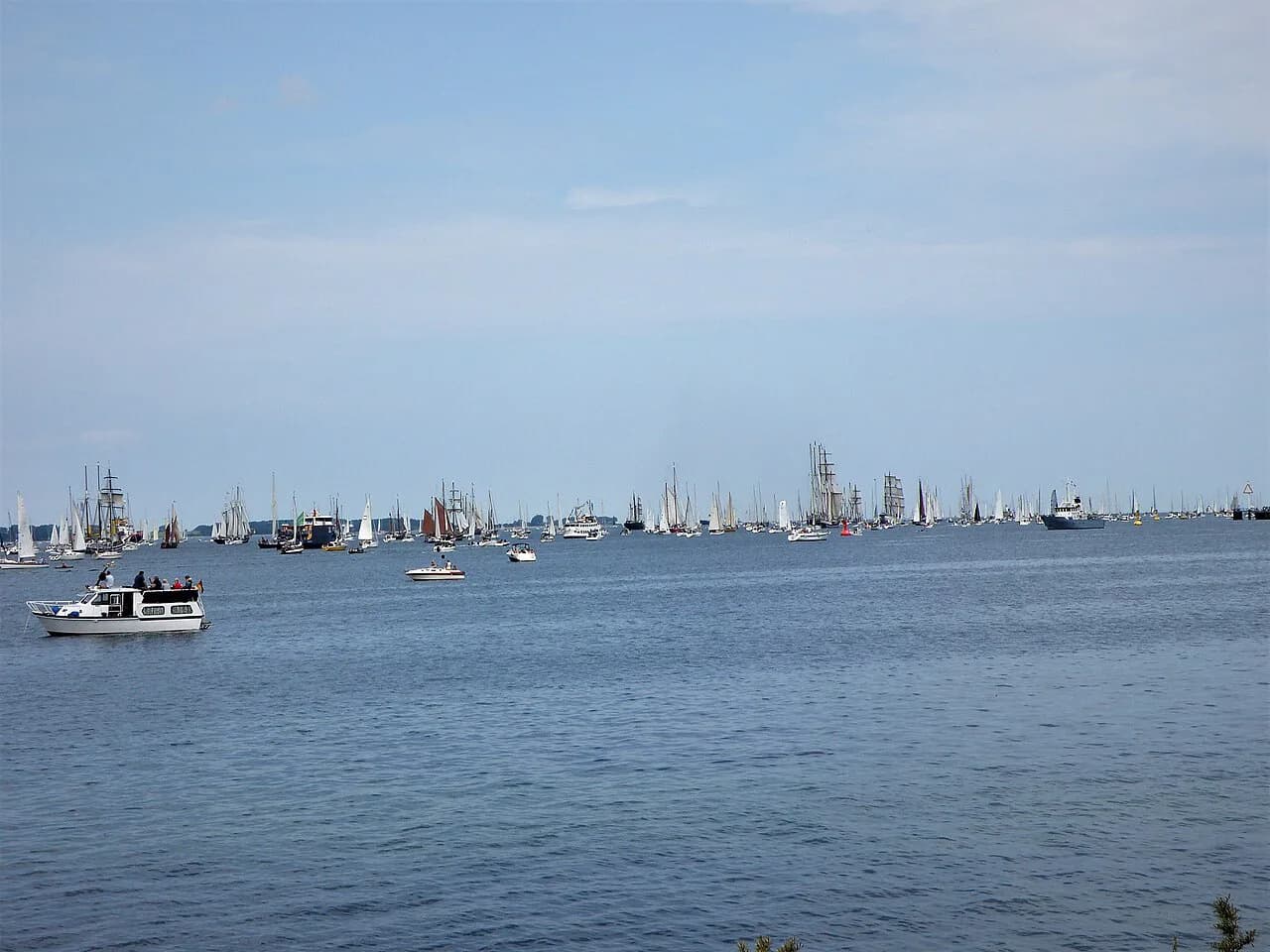
Every June, the German port city of Kiel swells with visitors for Kieler Woche – the world’s largest sailing regatta and a sprawling city-wide festival. For families, the appeal goes far beyond the boats: think puppet theatres, hands-on science labs, and a funfair that stretches along the fjord. With the right plan, you can experience the spectacle without the stress.
Before you go, it helps to understand the festival’s layout. Most family activities cluster along the waterfront and in central parks, but some gems like the teen Playground and the Hörn funfair sit a little further out. Our comprehensive Kieler Woche Guide covers the overall schedule and highlights so you can map your route with confidence.
Understanding Kiel Week: A festival of sailing, fun, and more
Kiel Week is more than a regatta – it’s a nine-day public festival with over 300 concerts, international food stalls, and dozens of family-focused areas scattered across the city. Most of the action is concentrated along the Kiellinie waterfront and in the central parks, which makes it easy to explore on foot with children in tow.
Top family-friendly zones at Kiel Week
The Spiellinie at Krusenkoppel is a huge creative zone where children can build, paint, and get muddy. It opens at 11 am on weekends and 2 pm on weekdays, closing at 6 pm each day, and sits at Düsternbrooker Weg 98 – a short walk from the main promenade. The highlights are hands-on workshops, interactive theatre, and children’s concerts. According to the official Kiel tourism site, this year’s theme is ‘Secrets of the Night’, inviting kids to explore what happens after dark through art and play.
For teenagers, the Playground in Ratsdienergarten is a dedicated hangout. It’s free for ages 10 to 17, open daily from 1 pm to 6 pm, and offers VR graffiti, painting, and black-out poetry sessions. The nearby Junge Bühne stage features up-and-coming local performers in the afternoons and concerts in the evenings.
Interactive learning: The Schlaumach Meadow and Electricity Workshop
For curious kids, the Geomar Meadow – located right next to the seal pool on Kiellinie near Düsternbrooker Weg 20 – offers eco-themed activities run by local organisations. Children can go ‘on air’ with the Offener Kanal Kiel, craft from recycled materials, and learn about climate protection through play. It’s a popular spot, so consider visiting early in the day to avoid the largest crowds.
In the castle gardens, the adventure area includes the Football Park and the Electricity Workshop, where kids can experiment with circuits and learn about renewable energy. The workshop is open from Saturday to Thursday, but exact hours vary, so check the daily schedule on site. At weekends, the Spielmacher children’s disco invites families to sing and dance together.
Tips for navigating the festival with a stroller and young kids
The main festival areas are largely flat and pedestrianised, but the Kiellinie promenade can become packed, especially on weekends. For easier strolling, arrive before 11 am on weekdays and head straight to the waterfront before the crowds peak. If your plans change, you can easily hop on a bus or train – the city centre and all festival zones are well connected by Kiel’s public transport network.
Strollers are allowed everywhere, but you’ll navigate more smoothly if you stick to the wider paths. A lightweight umbrella stroller is a better bet than a bulky travel system. If you’re coming from outside the city, our guide on how to get to kiel week can help you choose the most convenient arrival point and avoid parking hassles.
Finding quiet moments: Where to take a break
Even a bustling festival needs a few quiet corners. The castle gardens – home to the adventure area – offer grassy knolls where you can rest out of the main foot traffic. Alternatively, the Ratsdienergarten, which hosts the teen playground, has shaded benches and a relaxed atmosphere. Pack a blanket and some snacks for an unhurried picnic break between activities.
Another less crowded option is the Blaupark in Gaarden Sports and Community Park, which transforms into a creative meeting place with outdoor games and face painting. It’s a bit off the main circuit, so you’ll find more space to spread out. Check the festival map for its exact location and plan a visit on a weekday afternoon if you can.
Pocket-money friendly food and drink options
Eating at Kiel Week doesn’t have to break the bank. The Junge Bühne, right next to the teen playground, sells snacks and soft drinks at pocket-money-friendly prices. For a fuller meal, the international food market in the city centre has reasonable street-food portions that are easy to share with little ones. Try the classic Fischbrötchen or a German bratwurst to keep energy levels up.
Plan your day: How to choose what to see and do
With so much on offer, you need a strategy. Decide on one or two flagship activities each day – like the Spiellinie or the Geomar Meadow – and fill in the gaps with spontaneous wandering. Check the daily schedule posted at the official information points, as many children’s shows and workshops run at specific times. If you’re staying overnight, you can look at where to stay for kiel week options that offer easy access to the festival grounds.
What not to miss: Puppet shows, playgrounds, and the funfair
Make sure to catch a performance at the Kieler Woche Hoftheater, a courtyard puppet theatre festival featuring companies from across the world. It’s a charming experience that kids remember long after the festival ends. And don’t forget the Waterfront Funfair at the Hörn, where you can find candy floss and Ferris wheel rides in between the sailing events. The festival offers a host of free activities, including playgrounds and puppet shows, so you don’t have to spend on every attraction.
Plan Your Visit
Kiel Week is a festival that genuinely welcomes families, with dedicated zones for every age group, plenty of free activities, and a relaxed, maritime atmosphere. By planning your days around quieter morning hours and focusing on a few key areas – like the Spiellinie, the Geomar Meadow, and the funfair – you’ll create a memorable trip that suits the whole family.
Remember to check the official event website for the most current schedule and any last-minute changes. With a little preparation, your family can make the most of this incredible celebration on Germany’s Baltic coast.
Frequently Asked Questions
What is the best time to visit Kiel Week with kids?
The festival takes place in June, and the best times are weekday mornings and early afternoons when crowds are thinner. Many family areas open between 11 am and 2 pm, so arriving right at opening time lets you enjoy the activities with more space and shorter queues. Weekends are busier, but the festival is still manageable if you go early.
Are there free activities for children?
Yes! Many of Kiel Week’s family areas and activities are free, including the Spiellinie creative zone at Krusenkoppel, the teen playground in Ratsdienergarten (ages 10–17, free daily from 1–6 pm), and the Geomar Meadow next to the seal pool. Puppet shows at the Kieler Woche Hoftheater are also free. Only some special performances or fairground rides may charge a fee.
Are strollers allowed at Kiel Week?
Yes, strollers are allowed in all festival areas. The main promenades and park paths are flat and accessible, but be prepared for crowds, especially on weekends. For smoother strolling, use public transport to get between zones and consider visiting during weekday mornings when it’s less congested.
What can children do at Kiel Week?
Children can enjoy a wide range of activities, from creative arts and crafts at the Spiellinie to science experiments at the Electricity Workshop. There are also puppet shows, playgrounds, a youth-focused Playground in Ratsdienergarten, and eco-educational activities at the Geomar Meadow. The Hörn funfair offers classic rides like a Ferris wheel.
Is Kiel Week suitable for teenagers?
Absolutely. The Playground in Ratsdienergarten is designed specifically for ages 10–17, offering VR graffiti, painting, and poetry sessions. The Junge Bühne stage nearby hosts concerts and performances by up-and-coming local artists, and the festival’s diverse atmosphere offers plenty for teens to explore.