
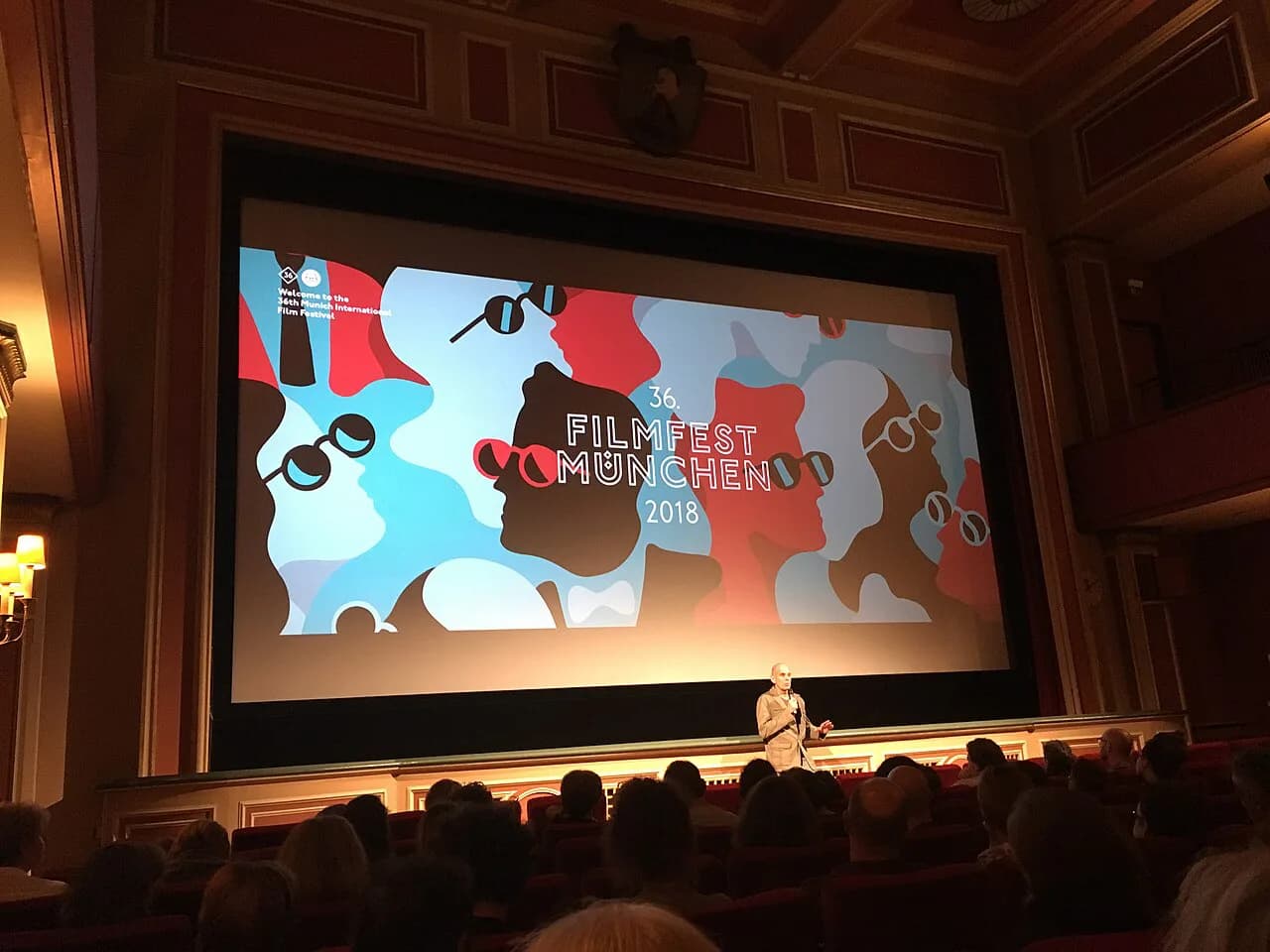
Munich International Film Festival for First-Timers: An Insider's Guide
The Munich International Film Festival is one of the most important film festivals in Germany, drawing cinema lovers from across the globe to the Bavarian capital each summer. For a first-timer, the sheer size and variety of the program can feel overwhelming: how do you decide what to see when you only have a few days? Knowing a little about how the festival is structured will let you enjoy the best of world cinema without the stress.
As a first-time attendee, you're part of a public audience that includes locals, international guests, and industry professionals. Unlike some festivals that are closed to the general public, this one is open to anyone who buys a ticket, making it a great place to experience the buzz of a major international event. You don't need a special pass or accreditation to attend regular screenings or many of the public film talks.
This guide walks you through what the festival includes, how to choose which films to see, what to expect from tickets and venues, and the practical mistakes first-timers often make. By the end, you'll have a clear plan for your first visit to the Munich International Film Festival.
What Makes the Munich International Film Festival Special
The Munich International Film Festival, held in late June and early July, is known for its diverse program that includes world cinema, German feature films, American independent productions, and TV movies. It also presents retrospectives, tributes, and special screenings, so you'll often find hidden gems alongside bigger premieres. For first-timers, this variety means you can tailor your day to whatever genre or region you love most.
One of the festival's traditions is the CineMerit Award, which honors a prominent figure from international cinema. Past recipients include Geraldine Chaplin, Milos Forman, Jacqueline Bisset, and, more recently, Gillian Anderson and Stellan Skarsgård. If you attend a ceremony, you'll see the honoree in person, making it a memorable moment for newcomers and seasoned festival-goers alike.
How the Festival Works: Sections, Screenings, and Venues
The festival uses several venues across Munich, from historic cinemas in the city center to multiplex-style screens. Each screening generally takes place at a specific cinema, and the program marks each film with its venue and time. As a first-timer, you'll want to map out the locations ahead of time so you can travel between screenings without stress; some venues are a short walk apart, while others may require a tram or U-Bahn ride.
The program is divided into sections that reflect the kind of film you'll see, such as 'International Program,' 'New German Cinema,' or 'American Independents.' For a first-timer, choosing a section that matches your taste is a good starting point. The official festival website updates its schedule closer to the event date, so bookmark the site and check it regularly for announcements.
One unique feature is the 'Filmfest' calendar where you can create a personal schedule. On the official site, you can browse films and mark the ones you want to see. This tool is useful for planning your day, especially because screenings often overlap. Take advantage of the search filters to shortlist films by section or premiere status.
Choosing Films Like a Pro (and Avoiding Newcomer Pitfalls)
First-timers often make the mistake of trying to see as many films as possible, but quality beats quantity when you're adjusting to the rhythm of a festival. Instead of back-to-back screenings, which can lead to fatigue and less enjoyment, pick two or three films a day that you genuinely care about. Leave room for spontaneous discoveries—some of the most memorable festival moments are the movies you stumble upon because you had time to browse.
Pay attention to early-buzz titles, but don't ignore the smaller sections. The Munich festival is known for introducing international and European premieres, so you might catch a film that hasn't been released worldwide yet. For a first-timer, it's often more exciting to see a world premiere than a film that will come out in wide release a few months later.
If you're not sure what to pick, look for official 'Best of' compilations or daily recap videos the festival posts online after each day. These summaries give you a brief sense of the highlights, so you can adjust your schedule for the following day. Some screenings also have audience reactions, so chatting with fellow attendees between shows is a great way to get a recommendation.
Tickets and Pricing Basics for First-Timers
Ticket prices for the Munich International Film Festival are not published far in advance, and they can change edition to edition. Rather than expecting a fixed price, check the official festival website for the latest ticket information before you go. You'll likely have the option to buy single-film tickets or day passes, and some events might be free but require a reservation.
One tip from festival veterans is to buy tickets online as soon as the sales window opens, because popular screenings and galas sell out quickly. If you're flexible, you can also try to buy tickets at the venue box office, but you risk missing out on highly anticipated films. The festival's own FAQ section explains how refunds and exchanges work, so read it before you commit to a schedule.
For a more detailed look at ticket prices and the exact venues, refer to our separate guide on Munich Film Festival tickets and venues. That article breaks down the typical costs and which cinemas host which sections.
Where the Festival Takes Place and How to Get Around
The festival is spread across multiple cinemas in central Munich. Most are well-connected by public transport, with tram and U-Bahn stops nearby. Before you head out, check the venue address on your ticket and plan your route using the MVV transit app or a map app. Some venues are within walking distance of each other, making it easy to hop from a matinee to an evening screening.
If you're coming from outside the city, you'll likely arrive at Munich Hauptbahnhof or the airport. The festival's main office is located at Arnulfstr. 195, 80634 Munich, which is convenient if you need to pick up press credentials or have a question. However, for regular attendees, you don't need to visit the office unless you have a special request.
Festival Timing and What to Plan For
The festival typically runs for about ten days in late June and early July. The 2025 edition, for instance, took place from 27 June to 6 July and featured 164 films from 54 countries, including 141 premieres. Future editions follow a similar pattern, but you should confirm exact dates on the official website, as they shift slightly from year to year.
Evenings are the busiest and most atmospheric time, with galas and many premieres scheduled after 6 pm. If you prefer a quieter pace, morning and early-afternoon screenings tend to have shorter queues and a more relaxed vibe. Remember that Munich in late June can be warm, so bring a light jacket for air-conditioned cinemas.
Typical Mistakes First-Timers Make (and How to Avoid Them)
A common mistake is underestimating travel time between venues. Even if two cinemas look close on a map, Munich's traffic or a short tram delay can make you late for a screening. To avoid that, always plan to arrive at least 15 minutes before the start time, and check if the cinema has assigned seats or open seating.
Another pitfall is buying tickets for too many consecutive screenings without a break. You'll need time to eat, stretch, and digest what you've seen, so schedule at least one hour-long gap between films. That also gives you a chance to walk between venues without rushing and to grab a quick coffee or snack.
Finally, don't ignore the social side. Many first-timers think a film festival is just about watching movies, but the real joy often comes from the talks, Q&As, and chance encounters. Make a point of attending at least one public discussion, even if the topic isn't your favorite, because you'll learn behind-the-scenes insights you can't get anywhere else.
Making the Most of the Social Side: Talks and Q&As
The festival regularly hosts FilmTalks with directors and actors, which are open to the public. Past talks have featured Ira Sachs, Arnaud Desplechin, and many others, with discussions covering everything from American independents to emerging filmmakers. These events are usually recorded and posted on the festival's website, but nothing beats being in the room when a director shares an anecdote about the film.
To find talks during your visit, check the festival's daily schedule, which lists all side events and their locations. Some talks are held in the same venues as the screenings, making it easy to walk from a film to a Q&A. If you have specific questions, you may even get a chance to ask them, so prepare a thoughtful question in advance.
Beyond official talks, the festival atmosphere encourages mingling at nearby cafés and bars. Don't be shy about striking up a conversation with the person next to you in line; you'll often hear about lesser-known films that deserve a spot on your schedule.
Final Checklist for Your First Visit
Prepare for your first Munich Film Festival by confirming the exact dates on the official website, then map out the venues you'll need. Decide in advance how many films you realistically want to see per day, and leave room for spontaneous choices. Buy tickets as soon as they go on sale, especially for popular galas and previews.
Final checklist: check the schedule, buy your tickets, plan your routes, and don't forget to attend at least one talk. With these tips, you'll enjoy the festival like a seasoned pro. If you're looking for a place to stay, see our guide on where to stay for Munich Film Festival for neighborhood recommendations.
Frequently Asked Questions
Can normal people attend film festivals?
Yes, the Munich International Film Festival is open to the general public. You don't need a special accreditation or industry pass to buy tickets for regular screenings. Just purchase a ticket online or at the box office, and you can enjoy the films like any other audience member.
What are the best film festivals for first-time filmmakers?
For first-time filmmakers, festivals that are open to the public and have a diverse program are good choices. The Munich International Film Festival offers a range of films and regularly features emerging directors. Additionally, smaller festivals like Dok.fest for documentaries or Bunter Hund for short films are more approachable and often provide networking opportunities.
What are the hardest film festivals to get into?
It's hard to generalize, but the most prestigious festivals like Cannes, Venice, and Berlin typically have strict selection processes for films and high competition for tickets. In contrast, the Munich International Film Festival has a more accessible public program, though premieres and gala screenings can still sell out quickly.
Who will attend Berlinale 2026?
The lineup of attendees for Berlinale 2026 is not announced yet. Such information is speculative and usually shared closer to the event date. Check the official Berlinale website for updates if you're curious about who might attend.