

8 Things to Know About the Munich Film Festival in 2026
Last updated August 2026. Filmfest München, the Munich film festival held each summer, runs June 26 through July 5, 2026, for its 43rd edition, screening roughly 150 films across the city center and nearby neighborhoods. This guide covers the festival's programming sections, key venues, and ticket timing so you can build a workable schedule instead of guessing at the door.
What Is Filmfest München?
In short, Filmfest München is Munich's largest annual film event, built around German, European, and world premieres rather than repertory screenings. Every film in competition is a German, European, or world premiere, apart from retrospectives, tributes, and homage screenings. Organizers rank it second in scale to the Berlinale in Berlin, Germany's winter counterpart. Where the Berlinale runs in February's cold, Filmfest München lands in the last week of June and first days of July, overlapping with Munich's beer garden season. Recent editions have drawn around 80,000 attendees to more than 18 screens, with over 600 accredited press and 2,500 industry professionals in town for premieres and panels. Eberhard Hauff founded and ran the festival from 1983, followed by Andreas Ströhl from 2004 to 2011 and Diana Iljine from 2011 to 2022. Christoph Gröner has served as artistic director since 2022, part of a leadership line that reflects how established the festival's institutional footing is. The festival is hosted by Internationale Münchner Filmwochen GmbH, whose backers include the City of Munich, the Free State of Bavaria, Bavarian Broadcasting, and the German film industry association SPIO. That same alliance also runs the International Festival of Film Schools each November, a separate event from the summer program. Beyond the competitions, an annual Homage strand adds retrospectives and tributes to a single filmmaker's body of work, screened outside the main prize categories. Recent Homage tributes have honored figures including Julie Delpy and Nicolas Winding Refn. Ticket buyers researching the festival for the first time often start with the CineMasters and Spotlight lineups, since those sections carry the highest-profile premieres. For hotel neighborhoods and broader trip planning around the festival dates, see the Munich city guide.
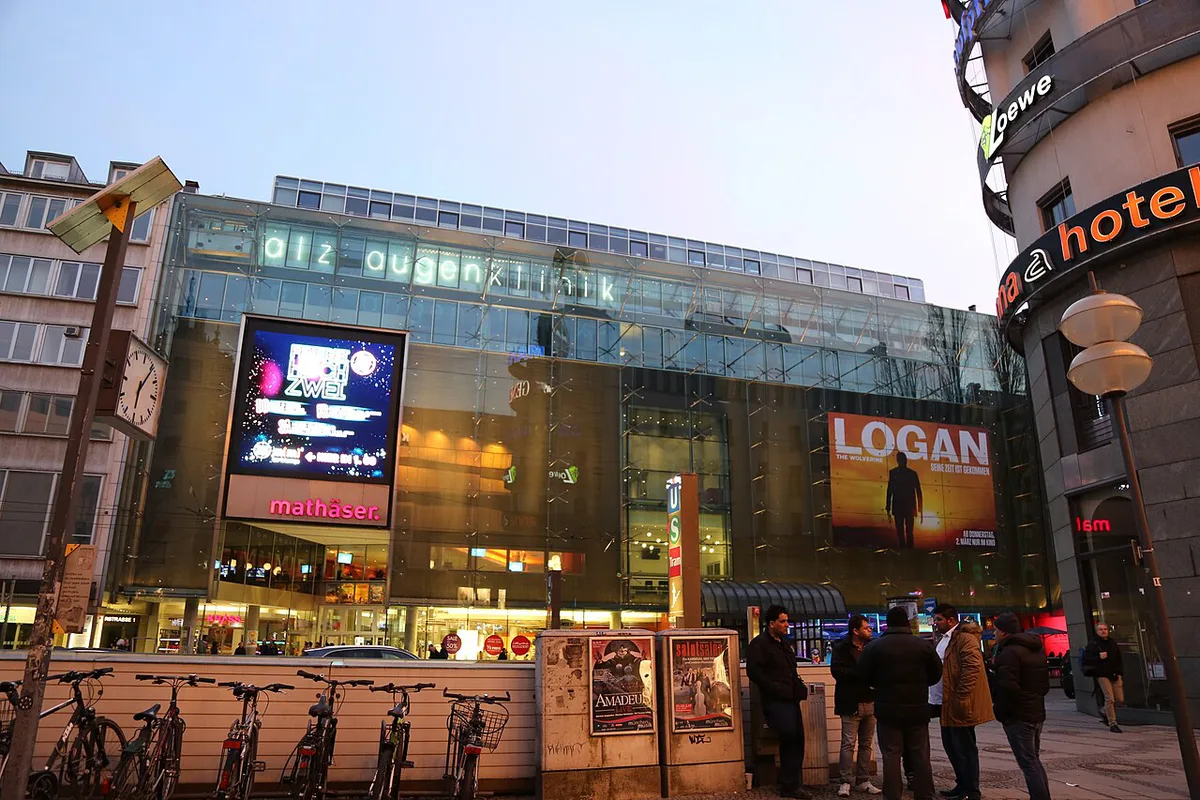
8 Things to Know About the Munich Film Festival Before You Go
Filmfest München packs a dozen-plus competitions, honorary awards, and free public screenings into ten days. These eight facts cover the programming sections, prizes, and events worth planning around for the 2026 edition. Expect a dozen award categories in total, from directing prizes to a dedicated TV movie award, spread across the sections below. Bookmark the sections that match your interests, since overlapping screening times make it hard to catch everything in one trip.
With roughly 150 films across more than 18 screens creating a dense program, most visitors plan only 2–3 screenings per evening to avoid overcommitting.
- The 2026 Dates and Where It Ranks in Germany
- Filmfest München's 43rd edition runs June 26 to July 5, 2026, with roughly 150 feature films and documentaries screening across more than 18 screens.
- It is Germany's largest summer film festival, and prizes across its program total more than €250,000.
- The 2025 edition presented 164 films from 54 countries, including 141 premieres, so expect a similarly dense slate in 2026.
- CineMasters vs. CineVision: Established Names or New Directors
- CineMasters showcases films from acclaimed international directors outside Germany, competing for the ARRI/OSRAM Award for Best Film, worth €50,000 in production services.
- CineVision spotlights first and second features by emerging directors, competing for a separate award worth €12,000 and sponsored by Wild Bunch.
- Pick CineMasters for polished, established-name cinema, or CineVision to catch a director's early work before wider release.
- CineCoPro: The International Co-Production Track
- CineCoPro is a competition for German co-producers working on international projects.
- The winning production takes home a €100,000 prize funded by FFF Bayern.
- It draws industry attendees as much as general audiences, so expect panel discussions alongside the screenings.
- New German Cinema and CineRebels: Where Discoveries Happen
- New German Cinema is an all-world-premiere section where directors compete for the German Cinema New Talent Awards in directing, production, screenplay, and acting.
- Several Academy Award-nominated films had their world premieres here before going on to wider release.
- CineRebels is a newer section built around unusual film formats, worth a stop if the main competitions feel too familiar.
- The CineMerit Award and FilmTalk Sessions Bring Star Power
- Filmfest München's CineMerit Award, established in 1997, honors a career in international film.
- David Duchovny received the award in 2026, following Gillian Anderson in 2025 and Kate Winslet in 2024.
- FilmTalk sessions add on-stage conversations alongside the screenings, including 2026 talks with Ira Sachs and Arnaud Desplechin.
- CineKindl Brings Family-Friendly Programming
- CineKindl has screened feature films and shorts for kids ages 4 and up since 1983.
- Children in the audience vote for their favorite film to win the CineKindl Audience Award.
- It runs alongside the main festival, so families can mix a CineKindl matinee with an adult screening the same day.
- Free Open-Air Screenings on the Gasteig Piazza
- Every festival night, the piazza at the Gasteig festival center hosts a free open-air screening.
- No ticket is required, and each year carries a different theme, from Rock 'n' Roll to Skate films in past editions.
- Arrive early, since the free format draws large crowds on clear summer evenings.
- Spotlight and International Independents: Glamour vs. Uncompromising Cinema
- Spotlight showcases big-name, traditionally crafted movies with well-known casts, often screening at glamour venues like the Deutsches Theater.
- International Independents leans the other way, with young, uncompromising cinema from the Americas, Asia, Africa, Australia, and Europe.
- For a lower-key evening, pair an International Independents screening with the indie-focused Rio Filmpalast instead of a red-carpet premiere.
Awards and Prize Money at a Glance
Filmfest München's competitions carry real prize money, and the numbers help explain why filmmakers treat the festival as more than a regional stop.
| Award | Prize / Recognition | Category |
|---|---|---|
| CineMerit Award | Career honor, established 1997 | Individual achievement |
| ARRI/OSRAM Award | €50,000 in production services | Best Film, CineMasters (non-German) |
| CineVision Award | €12,000, sponsored by Wild Bunch | Best Film by a New Director |
| CineCoPro Award | €100,000, funded by FFF Bayern | Best international co-production |
| Bernd Burgemeister TV Movie Award | €25,000 | Best German TV movie |
| Fritz Gerlich Preis | €10,000 | Courage on a public-concern topic |
| German Cinema New Talent Awards | Career-launching recognition, 4 categories | New German Cinema section |
Venues and Getting Around Filmfest München
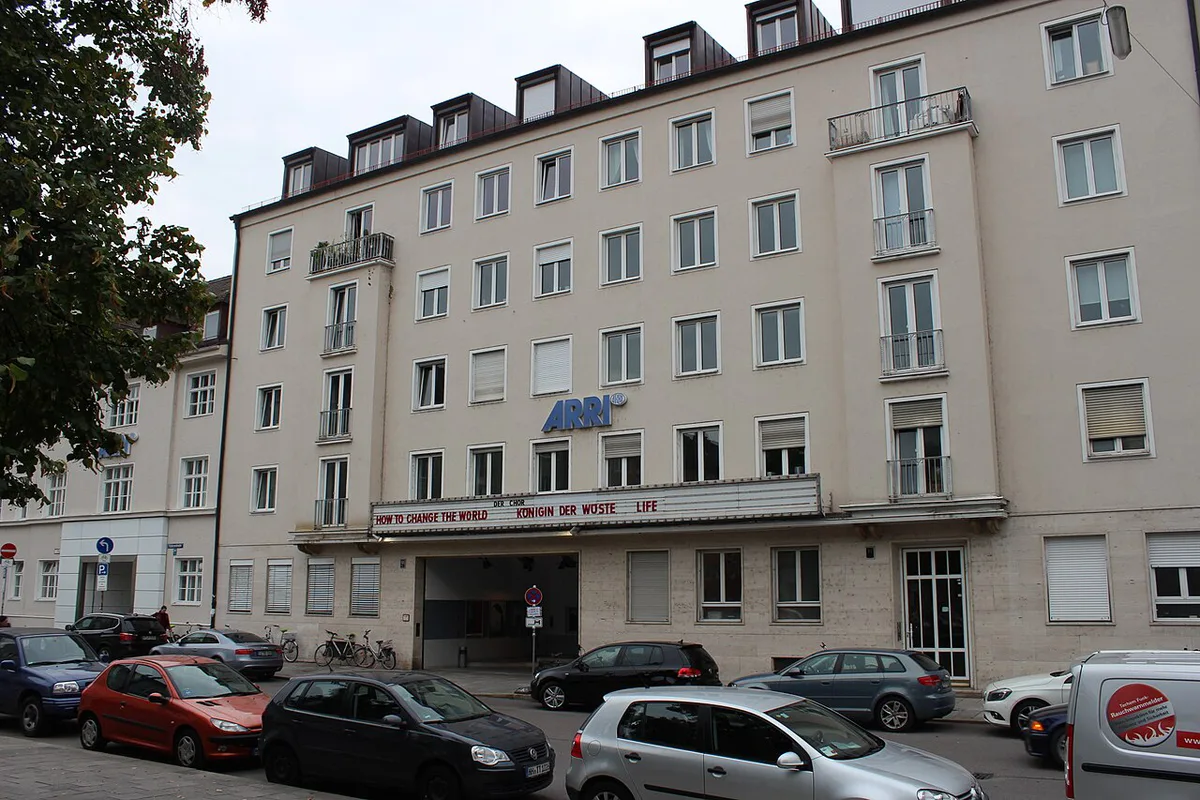
Screenings spread across roughly a dozen venues, grouped loosely by neighborhood. The festival center sits in Munich's museum district, or Maxvorstadt, with Amerikahaus and the Hochschule für Fernsehen und Film hosting panels, ceremonies, and the festival offices. Gasteig HP8, in the Sendling area, forms the second major hub, with screenings and the nightly open-air program on its piazza. Additional participating cinemas across the city center include the Gloria Palast, Deutsches Theater, ASTOR Filmlounge inside the ARRI building, City-Atelier, Theatiner Filmkunst, and Pavillon 333. Kino, Mond & Sterne adds a separate outdoor summer program at Westpark, distinct from the festival's own piazza screenings. Munich's public transit connects the museum-district and Gasteig HP8 clusters, and the tickets and venues guide maps specific walking times if you're stacking multiple screenings in one day. A Munich Card & City Pass bundles public transit with museum discounts and starts at €5.90, per the city's official tourism listing. Screenings run across the festival's full ten-day window, so a repeat visitor to one cluster can plan three or four venues without needing a car. Public transit, not driving, is the practical way to move between clusters during festival hours. Walk times between the museum-district cluster and Gasteig HP8 are long enough that most visitors treat them as separate festival days rather than combining both in one evening. Check each screening listing for its specific venue before building a schedule, since sister theaters in the same cluster still sit blocks apart.
Tickets, Subtitles, and Timing Your Visit
Ticket sales for Filmfest München typically open in mid-June, according to Munich's official tourism site. Confirm exact 2026 on-sale dates directly on the official festival site before locking in travel plans. Published sources do not list a fixed per-ticket price for 2026 screenings. Treat the €5.90 Munich Card rate as a transit and museum-discount cost, not a festival ticket price. Most non-German screenings carry a subtitle label, either OmU for German subtitles or OmeU for English subtitles. International visitors should check each listing for OmeU specifically, since some screenings only carry German subtitles. Munich summers bring occasional rain, and open-air screenings on the Gasteig piazza can be affected by weather. Keep an indoor screening as backup for any evening you're counting on the piazza program. If you're weighing a same-day flight change, note that the on-sale window has historically opened with little lead time, so flexible fares are worth the extra cost. Screenings at smaller venues like the Theatiner Filmkunst tend to have more last-minute availability than headline premieres at the Gloria Palast. Press accreditation, listed separately from public ticket sales, follows its own application process on the official festival site. Screenings that pair with a FilmTalk or CineMerit ceremony tend to move fastest once sales open, based on how quickly past editions' headline events have filled. Budget extra time at the door for any screening followed by a director Q&A, since these sessions often run past the listed end time.
Free open-air piazza screenings require arriving at least 30 minutes before for a clear view; however, rain can interfere with Munich summer evenings, so book an indoor backup screening.
Mistakes to Avoid at Filmfest München
First-time visitors tend to repeat the same handful of planning mistakes.
- Waiting on Box-Office Tickets
- Popular CineMerit and Spotlight screenings can sell out, so waiting for box-office tickets at high-demand venues like the Gloria Palast is risky.
- Box office lines at the busiest venues can form well before a popular CineMerit screening starts.
- Ignoring Travel Time Between Clusters
- Booking back-to-back screenings across the Maxvorstadt and Gasteig HP8 clusters without checking travel time is a common scheduling mistake.
- Some visitors resolve this by picking a home-base cinema cluster and only crossing town once per day.
- Skipping the Subtitle Label
- Missing the subtitle label on a listing can mean sitting through a film with only German subtitles, so double-check for OmeU if you need English.
- Screenings at smaller, single-screen venues are more likely to run only the German-subtitled OmU version.
- Treating Open-Air Seats as Guaranteed
- The free open-air piazza screenings are first-come, and clear summer nights draw large, standing-room crowds.
- Plan to arrive at least 30 minutes before an open-air screening's advertised start if you want a seat with a clear view.
- Skipping the Rain Backup Plan
- Munich summers bring occasional rain, so pair any open-air piazza plan with an indoor screening you can pivot to.
- Overlooking the Homage and Retrospective Screenings
- Focusing only on competition titles means missing the annual Homage strand's retrospectives and tributes, which run outside the main prize categories.
- Underestimating Cannes Carryover Demand
- Recent editions have folded in Cannes premieres, including 17 titles from Cannes in 2026 alone, and those screenings can draw extra demand.
Munich Film Festival vs. Dok.fest, Bunter Hund, and Fantasy Filmfest
Filmfest München isn't Munich's only film event. Three smaller festivals fill out the city's film calendar across the rest of the year.
| Festival | Best For | Typical Timing | Vibe |
|---|---|---|---|
| Filmfest München | General audiences and industry premieres | June 26 – July 5, 2026 | Red-carpet premieres mixed with beer-garden informality |
| Dok.fest München | Documentary fans | May | Bavarian nonfiction discovery |
| Bunter Hund | First-time festival-goers, short-film fans | Dates vary by year, check the official site | Audience-judged, informal |
| Fantasy Filmfest München | Horror, sci-fi, and thriller fans | July–August | Genre-focused, two participating cinemas |
Planning Your Festival Days: One Day or a Full Pass
A single day at Filmfest München works if you pick one venue cluster and stack two or three screenings with breathing room between them. A longer stay across the full June 26 to July 5, 2026 run lets you mix competition screenings, a FilmTalk session, and at least one free open-air night. Ten days is enough time to sample CineMasters, New German Cinema, and CineKindl without repeating a venue cluster twice in one day. A one-day plan might pair a CineMasters morning screening near Amerikahaus with an evening Spotlight premiere at the Deutsches Theater. A full ten-day pass approach works best for industry visitors tracking CineCoPro pitches and multiple FilmTalk sessions. Families splitting time between CineKindl matinees and adult screenings should plan for separate lines and separate ticket types at each showing. Either approach benefits from checking the daily lineup a few days ahead, since the festival publishes showtimes venue by venue rather than one master schedule. For trip dates that don't overlap the festival, or to weigh it against Oktoberfest and Christmas markets, check the Festivals in Germany: The Complete 12-Month Calendar for Germany's year-round events.
Frequently Asked Questions
What are the 2026 dates for the Munich Film Festival?
Filmfest München's 43rd edition runs June 26 to July 5, 2026. It screens roughly 150 films across more than 18 screens in Munich's city center and nearby neighborhoods.
How much do Filmfest München tickets cost?
Published sources do not list a fixed 2026 per-ticket price. Ticket sales typically open in mid-June, so check the official festival site once the box office opens. A separate Munich Card & City Pass for public transit and museum discounts starts at €5.90.
What does OmU mean at Filmfest München?
OmU means the original-language version with German subtitles. OmeU means the original-language version with English subtitles, so look for that label if you need English.
Is the Munich Film Festival good for kids?
Yes, through the festival's CineKindl section for ages 4 and up. Kids in the audience vote on their favorite film for the CineKindl Audience Award, and CineKindl runs alongside the main adult program.
How does Filmfest München compare to the Berlinale?
Filmfest München is Germany's largest summer film festival, while the Berlinale runs in February and ranks larger overall. Expect a warmer, beer-garden atmosphere at Filmfest München, versus the Berlinale's winter, industry-heavy focus.
Which Filmfest München venue works best for a first visit?
Amerikahaus and the Hochschule für Fernsehen und Film sit at the festival center in Munich's museum district, with the most panels and premieres nearby. Pair a screening there with a trip to the ASTOR Filmlounge or Gloria Palast if you want two films in one afternoon.
What other film festivals does Munich host besides Filmfest München?
Dok.fest München covers documentaries each May, Bunter Hund is a short-film festival judged by its audience, and Fantasy Filmfest München brings horror, sci-fi, and thriller titles to two cinemas each July and August.
What are the biggest prizes at Filmfest München?
The ARRI/OSRAM Award for Best Film carries €50,000 in production services, and the CineCoPro Award for co-productions carries €100,000. Altogether, the festival's competitions distribute more than €250,000 in prizes each year.
Explore Munich Film Festival & Beyond
Plan your Filmfest München trip and see how it fits into Munich's year-round festival calendar and Germany's wider film scene.
Plan Your Visit
Munich Festivals Year-Round
- Munich Spring Festival: Practical Frühlingsfest Guide
- Tollwood Winter Festival Munich
- 4 Munich Christmas Market Plans for Different Trips