
Ruhrtriennale for First-Timers: Your Guide to the Festival
The Ruhrtriennale is an annual arts festival that transforms former industrial sites in Germany’s Ruhr region into stunning performance venues. For first-timers, it can feel overwhelming: productions span music, theatre, and dance, and venues are scattered across cities like Bochum, Duisburg, and Essen. This guide cuts through the confusion with practical advice on choosing shows, buying tickets, and getting to the ruhrtriennale with ease.
Understanding how the festival works and what makes it unique will help you plan a day that feels both exciting and smooth. Whether you’re drawn to avant-garde theatre, classical concerts in a former power plant, or free parties at the festival centre, the Ruhrtriennale offers something for everyone.
What is the Ruhrtriennale?
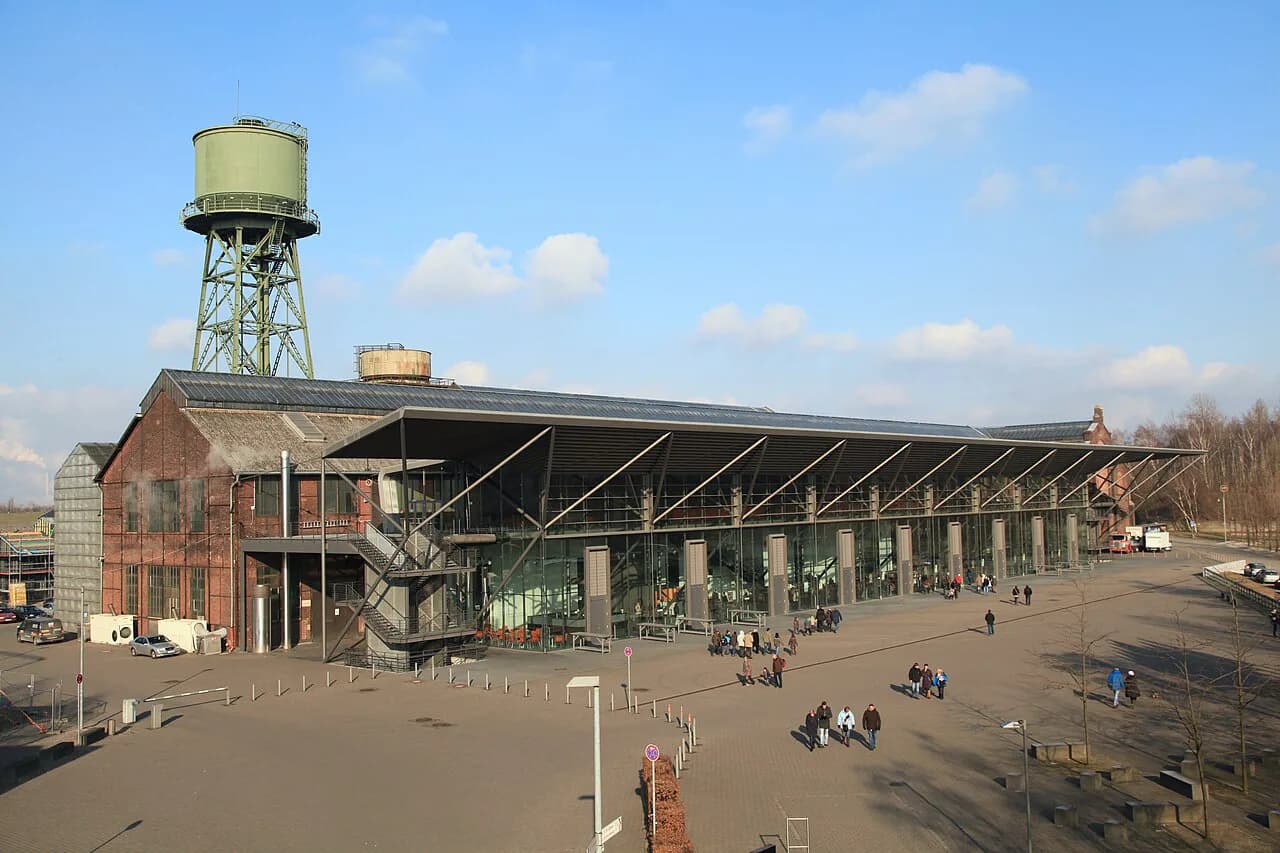
The Ruhrtriennale is a theatre, music, and arts festival held each summer in the Ruhr area of North Rhine-Westphalia, Germany. It was founded in 2002 and is known for staging productions in impressive industrial heritage buildings such as the Jahrhunderthalle in Bochum and the Maschinenhalle Zweckel in Gladbeck.
What makes the festival special is not just the artistic quality but the locations: think turbine halls, gasometers, and former factories that provide a dramatic backdrop. Each edition is curated by a different artistic director, which keeps the programme fresh and varied.
How the festival works and what makes it unique
The festival typically runs from mid-August to late September, with the 2026 edition scheduled from 20 August to 20 September. Performances take place across cities including Bochum, Duisburg, Essen, Gladbeck, and Dortmund, each with its own industrial character.
One of the most significant features is the free entry formats at Wunderland, the festival centre in Bochum, including poetry slams, concerts, and parties. These free events make the festival accessible to first-timers who want to sample the atmosphere without committing to a full show.
The opening weekend often includes special performances and workshops that are ideal for newcomers. For example, the 2025 edition featured an opening production by artistic director Ivo Van Hove, alongside free concerts and the Do-It-Yourself-Saturdays workshops. To know exactly what to expect, check the official programme closer to the time.
Choosing your first production: what to expect
When selecting your first Ruhrtriennale show, consider your comfort with conventional theatre versus experimental performances. The festival is known for avant-garde and immersive productions, so don’t be surprised if there’s no traditional stage with rows of seating.
Popular genres include theatre, music concerts, dance, and special formats like ‘Sunday Dancers’ and ‘Relaxed With’ concerts. These relaxed performances are ideal for newcomers, as they allow you to enjoy the atmosphere without the pressures of a typical concert.
For example, the Brave New Voices discussion series brings together playwrights and sociologists, while concert series like Ruhr Diamonds highlight regional talent. These events are great for easing into the festival.
Buying tickets and understanding day tickets
You can purchase tickets for the Ruhrtriennale online through the official website, which usually goes on sale a few months before the festival. It’s wise to sign up for their newsletter to receive updates on ticket releases and programme announcements.
One of the best-kept secrets for first-timers is that festival tickets double as public transport passes for the entire VRR network (Verkehrsverbund Rhein-Ruhr). This means you can travel to and from the venue on all buses and local trains for free on the day of your performance.
The tickets are valid from the start of the travel day until 3am the following day, so you can also get home after late shows. If you plan to attend multiple events across the Ruhr area, this can save you a lot on travel costs.
The festival also offers day tickets for some venues, but it’s better to check individual show pages for details. Avoid buying from secondary markets; use the official ticket office to ensure full benefits and authentic tickets.
Getting there: transport, shuttles, and access
Getting to the Ruhrtriennale is straightforward thanks to the integrated public transport system. The festival website provides detailed travel options including public transport, carpooling, and on-demand shuttle services like myBUS in Duisburg and Bussi in Essen.
If you’re driving to the Jahrhunderthalle in Bochum, there’s a car park with a flat rate of €6 per 24 hours, paid cashless. For other venues, check parking details on the individual venue pages to avoid surprises.
Cycling is also a great option, with routes along former railway lines that are flat and car-free. The festival provides bike racks and access to metropolradruhr bike-sharing at the Jahrhunderthalle.
Remember that due to ongoing construction work on regional rail lines, you should check your route in advance and allow extra time for delays.
Maximizing your day: opening weekend, workshops, and free events
The opening weekend at the Ruhrtriennale is packed with free concerts, parties, and workshops designed to kick off the festival with a community feel. This is an excellent time for first-timers to explore the Wunderland festival centre, which serves as a hub for free activities.
For families, the Kids & Family Workshops offer creative activities where children can make their own art under professional guidance, from poi juggling to painting with bubbles. These workshops are free and require no prior knowledge, making them ideal for curious youngsters.
The festival also offers a ‘Relaxed With…’ series, which provides a casual atmosphere, perfect for those who prefer a laid-back concert experience. And don’t miss the Sunday Dancers, a chance to move your body alongside professional dancers.
Practical tips for families and first-timers
If you’re attending with children, check age restrictions for each production—some shows may not be suitable for young ones. Family workshops are designed for all ages and are a great way to introduce kids to the festival environment.
Accessibility varies by venue, so be sure to contact the festival’s service team if you have specific needs. Many venues are industrial sites with uneven floors, so plan accordingly.
Pair your festival visit with a stay nearby to avoid long commutes. Consider our guide on where to stay for ruhrtriennale for convenient accommodation options.
Common mistakes newcomers make
Most first-timers underestimate travel time. The Ruhr area is vast, and venues can be an hour apart by train. Always account for extra journey time and check the latest schedules before setting out.
Another mistake is not taking advantage of the free events. Many newcomers book only ticketed shows and miss the vibrant atmosphere of Wunderland’s free concerts and parties.
Finally, some arrive without comfortable shoes. Industrial venues often have long walking distances between entrances and seating areas, so dress for the event—layers are key as temperatures can fluctuate.
Plan Your Visit
Planning ahead is the key to a successful first Ruhrtriennale experience. Remember that your festival ticket includes access to public transport across the VRR, making it easy to explore multiple venues in one trip.
For the latest programme, ticket release dates, and any changes, always refer to the official Ruhrtriennale website or our dedicated sister page for up-to-date information. With a little preparation, you’ll be ready to enjoy one of Europe’s most unique arts festivals in the incredible industrial heartland of the Ruhr.
Frequently Asked Questions
When is the Ruhrtriennale 2026?
The Ruhrtriennale 2026 is scheduled to run from 20 August to 20 September 2026. Dates are subject to change, so always verify on the official website.
Where are Ruhrtriennale venues located?
Venues are spread across the Ruhr area, including Bochum, Duisburg, Essen, Gladbeck, and Dortmund. Each venue is an industrial heritage site, such as the Jahrhunderthalle in Bochum.
Is there an age restriction for the Ruhrtriennale?
Age restrictions vary by production. Some performances are not suitable for young children, while family workshops are designed for all ages.
Are there free events at Ruhrtriennale?
Yes, the festival includes numerous free events, particularly at the Wunderland centre in Bochum, such as concerts and workshops. Check the festival programme for details.
How do I buy tickets for Ruhrtriennale?
Tickets are available online via the official Ruhrtriennale website. It is recommended to buy early, as popular shows sell out quickly.
What should I wear to a Ruhrtriennale production?
Dress comfortably for standing or walking in industrial venues, and bring layers as halls can be cool. For outdoor events, consider weatherproof clothing.
How do I get to the Ruhrtriennale festival?
You can use public transport, with tickets valid across the VRR network. On-demand shuttles like myBUS and Bussi are available in Duisburg and Essen, respectively.