
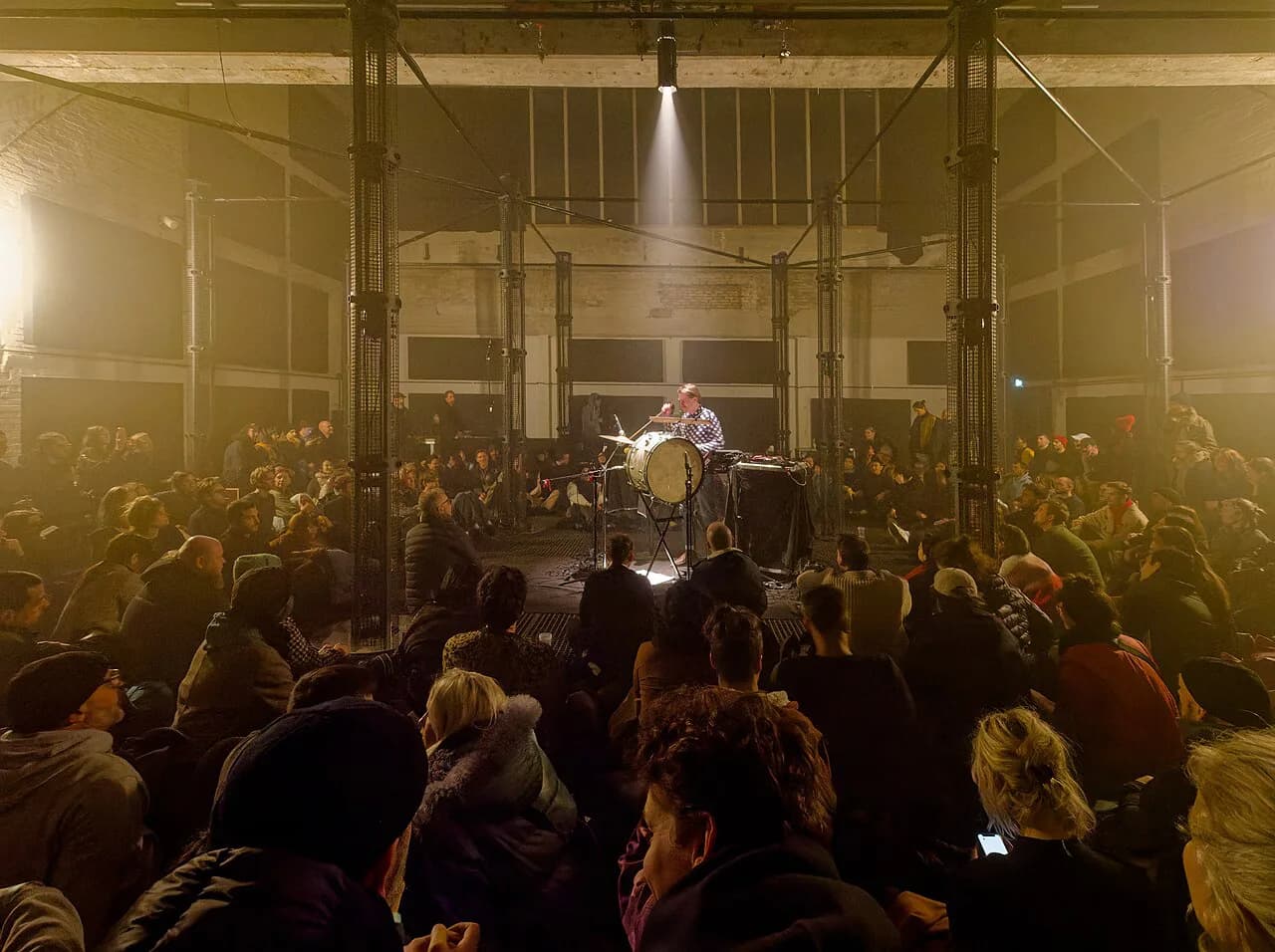
transmediale: Berlin’s Annual Festival for Art & Digital Culture
transmediale is Berlin’s annual festival for art and digital culture, an event that has grown from a niche video programme into one of the world’s most influential gatherings for artists, researchers, and activists. Each year, it invites participants to examine how technology shapes culture, politics, and daily life, often through provocative exhibitions, conferences, and performances.
For over three decades, the festival has been a space where critical theory meets hands-on experimentation, attracting a diverse community. Its official site describes it as a platform for critical reflection on cultural transformation from a post-digital perspective, a concept that drives its continually evolving programming.
Historical Roots: From VideoFilmFest to transmediale
The festival began in 1988 as VideoFilmFest, a special video and media art programme within the Berlinale’s International Forum of New Cinema. Co-founded by Micky Kwella and the independent video production group MedienOperative, it aimed to showcase electronic media productions that fell outside the scope of traditional film festivals, as detailed on Monoskop.
In 1997, the festival renamed itself transmedia, and a year later became transmediale, reflecting its expanding focus on internet and software art. This evolution mirrored the early embrace of multimedia, positioning the festival as a pioneer in media art on an international stage.
Evolution of Focus: From Media Art to Digital Culture
With Andreas Broeckmann’s appointment as artistic director in 2001, transmediale adopted annual themes that offered specific perspectives on media culture, starting with transmediale.01 and its exploration of DIY and hacker culture. The festival moved to the Haus der Kulturen der Welt in 2002, where its programme attracted an increasing number of visitors, and in 2004 it was included in the German Federal Cultural Foundation’s funding for "beacons of contemporary culture".
In 2006, the subtitle changed from “international media art festival” to “festival for art and digital culture”, reflecting a broader focus on the socio-political dimensions of technology. This shift also marked the launch of the annual Marshall McLuhan Lecture in 2008, which invites Canadian cultural figures to expand McLuhan’s media theories in a contemporary context.
Festival Structure: Themes, Exhibitions, and Awards
Each edition revolves around a central theme, exemplified by transmediale.08 under the motto "CONSPIRE...", which critically examined conspiracy and remote opinion-making in digital discourse. The programme typically includes exhibitions, conferences, performances, and workshops, connecting multi-perspective experiences with collaborative learning.
Since 2001, the transmediale Award has recognized outstanding works, and in 2007 it was complemented by the Vilém Flusser Theory Award for theoretical and research-based practice, created in collaboration with the Vilém Flusser Archive. In 2011, the latter was transformed into the Vilém Flusser Residency Programme, offering artists a chance to develop research projects.
Venues: From Berlinale to silent green
From 2002, the Haus der Kulturen der Welt served as the festival’s main venue, becoming synonymous with transmediale’s identity. However, in a notable shift, the festival established its year-round studio space at silent green Kulturquartier in 2021, hosting various event formats throughout the year for the first time in its history. This venue change reflects the festival’s growing emphasis on continuous activity beyond the annual event.
Beyond the Festival: Year-Round Activities
transmediale operates as a transversal platform with year-round commissions, publications, and a residency programme in partnership with different institutions. These initiatives foster a vibrant community and network, allowing conversations to continue long after the festival concludes. Following its official channels is an effective way to stay informed about these ongoing projects.
How to Participate: Open Calls and Residencies
Artists and researchers can engage with transmediale through open calls, submissions for awards, and residency applications. The festival regularly announces opportunities on its website, so checking the official news section is a reliable way to discover current calls. Participation is not limited to established figures; emerging voices are encouraged to apply as part of the festival’s commitment to diverse perspectives.
Planning Your Visit: Dates and Tickets
transmediale is an annual event, with each edition taking place around February, but exact dates vary from year to year. To avoid relying on outdated information, always consult the official festival website for the current edition’s schedule and ticket details. Advance booking is generally recommended due to high demand, and the site provides practical information for visitors.
Attending any festival in the capital involves transport and accommodation decisions. For helpful planning resources tailored to this event, consider consulting guides on how to get to transmediale and transmediale tickets.
Related Festivals: CTM and the Berlin Scene
In 1999, the club transmediale was founded, focusing on electronic music and club culture; it became independent as CTM Festival in 2011, now organised by a separate curatorial and financial team. While both festivals occur in Berlin around the same time and share overlapping audiences, they remain distinct entities with different programmes and mandates, so festival-goers should plan accordingly.
transmediale is part of a rich ecosystem of cultural events in the city, each with its own character. For a broader view of what Berlin offers, you can explore the Festivals in Berlin guide.
Key People and Influences
Several artistic directors have shaped transmediale’s trajectory: from Micky Kwella’s foundational role, through Andreas Broeckmann’s thematic restructuring, to Stephen Kovats and Kristoffer Gansing, who each brought new emphases. The festival’s intellectual legacy is further enriched by initiatives like the Marshall McLuhan Lecture and the Vilém Flusser Theory Award, which link contemporary digital culture with broader media theory.
Plan Your Visit
transmediale offers a unique opportunity to dive into critical conversations at the intersection of art, technology, and society. Whether you attend as an artist, researcher, or curious visitor, the festival’s dynamic programme invites fresh perspectives.
To keep track of upcoming editions and opportunities, bookmark the official transmediale website and follow its social media channels. For first-timers, planning ahead with practical tips can enhance your experience.
Explore more Berlin guides
- How to Get to transmediale 2026 in Berlin
- transmediale for First-Timers
- transmediale Tickets 2026
- Where to Stay for transmediale 2027
- Berliner Festspiele Tickets
- Where to Stay for Rave the Planet Berlin 2026
- Berliner Theatertreffen Tickets
- Where to Stay for the Berliner Theatertreffen
- Berliner Festspiele for First-Timers
- Where to Stay for Berliner Festspiele
- Rave The Planet Tickets 2026
- How to Get to Berliner Theatertreffen
- How to Get to Berliner Festspiele
- Berliner Theatertreffen for First Timers
Frequently Asked Questions
What does "transmediale" mean?
The name transmediale combines 'trans-' meaning across or beyond, and 'media', reflecting the festival's pioneering focus on media art that transcends traditional formats. It was adopted in 1998 to signify a shift toward multimedia and digital culture.
When does transmediale take place?
transmediale is an annual festival, typically held in February, but specific dates for each edition vary. To plan your visit, always check the official transmediale website for the most current schedule.
Where is transmediale held?
transmediale is based in Berlin, Germany. From 2002 to around 2020, the main venue was the Haus der Kulturen der Welt. Since 2021, the festival also runs a year-round studio space at silent green Kulturquartier. Venues may change annually, so confirm on the official site.
Who can submit work to transmediale?
transmediale welcomes artists, researchers, and activists to submit via open calls, which are announced on its official website. Both emerging and established practitioners are encouraged to apply, and submissions may encompass a wide range of formats including exhibitions, performances, and research projects.
What is the transmediale Award?
The transmediale Award is an annual prize recognising outstanding works in art and digital culture. It was established in 2001 and has been complemented by other awards, such as the Vilém Flusser Theory Award, to honour theoretical and research-based practice. Details about eligibility and winners can be found on the official site.