
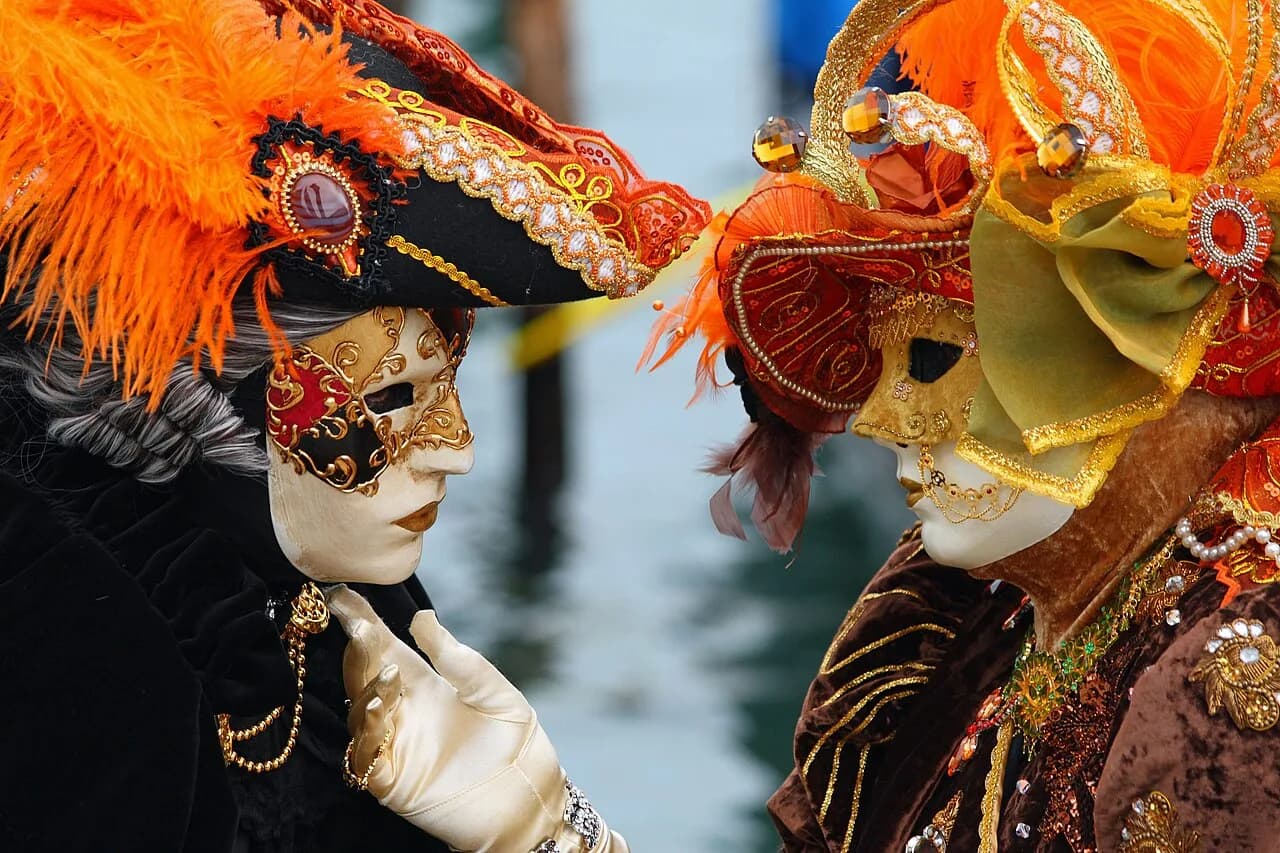
German Carnival Costumes: A Practical Visitor Guide
Last updated August 2026, this guide explains how to choose german carnival costumes without confusing visitor fancy dress with regional ceremonial clothing. Your safest option is a comfortable, layered outfit suited to the exact city, venue, weather, and event guidance. Simple accessories work well for many visitors, while traditional masks and guild clothing require more caution.
What Do People Wear to Carnival in Germany?
Germany does not have one universal Carnival outfit. Visitors may encounter ordinary fancy dress, coordinated group themes, simple accessories, and clothing connected to local organizations. Your destination and event type should guide the decision.
Karneval, Fasching, and Fastnacht are regional labels rather than interchangeable costume categories. A shop may use those words broadly, but a retail label does not establish cultural meaning. Start with the German Carnival season before researching the customs of your chosen destination.
For general participation, build an outfit around clothes you can walk, sit, and use public transportation in. Add a removable hat, wig, cape, colorful layer, or clearly fictional theme. Ordinary clothing with one noticeable accessory is enough when luggage or preparation time is limited.
Traditional-looking clothing needs a separate check. A mask, uniform, or decorated garment may represent a guild or defined local role. Visual similarity does not make it public fancy dress. Confirm the context through an organizer, municipal source, museum, or recognized cultural institution before copying it.
Tracht also needs regional context. Dirndl and Lederhosen are not universal German Carnival uniforms. Avoid presenting either as the standard answer to what you should wear across Germany.
Choose a Costume for the Event You Are Attending
Match your costume to the setting before choosing its appearance. An outdoor procession requires different layers and footwear from an indoor party. Family activities add mobility and bathroom-access concerns. Traditional local celebrations demand closer attention to participant roles.
Cologne’s session season opens on November 11, while Rottweiler Fasnet begins on January 6; even the calendars differ before costume roles are considered. Check the exact destination and organizer rather than treating Karneval, Fasching, or Fastnacht as interchangeable shopping labels.
For an outdoor event, test the complete outfit over your planned base layers. Walk in it, climb stairs, sit down, and carry your essentials. Shoes should suit the current forecast and the amount of standing you expect.
Indoor venues may have themes, coat arrangements, entry conditions, or limits affecting masks and props. Check the host's current information before relying on storage or bringing a bulky accessory. Removable pieces help when the room temperature differs from conditions outside.
Children need secure components, clear vision, easy movement, and uncomplicated bathroom access. Avoid trailing fabric or loose pieces that require constant adjustment. Pack a normal clothing option if the costume becomes uncomfortable.
| Outdoor parade or street celebration | Layers, footwear, mobility, and hands-free storage | Flexible clothing with removable accessories | Forecast, route information, access guidance, and prop rules |
| Indoor party or costume ball | Comfort, theme, ventilation, and coat handling | Complete costume or adaptable separates | Entry conditions, dress expectations, masks, and storage |
| Family event | Warmth, visibility, secure parts, and bathroom access | Simple outfit with soft, removable pieces | Organizer guidance and venue conditions |
| Traditional local celebration | Respect for defined roles and regional customs | Visitor fancy dress that does not copy ceremonial clothing | Official cultural guidance and participant boundaries |

Cologne Carnival Costumes and Rottweil Fasnet Masks Are Not Interchangeable
Cologne and Rottweil show why you should research the exact celebration. Cologne Carnival follows a movable schedule from Weiberfastnacht, the Thursday before Ash Wednesday, through Karnevalsdienstag. Its session season opens on November 11. Those recurrence rules describe timing, not permission to copy every outfit you see.
Use the Cologne Carnival guide for destination-specific planning. Before packing, compare current information from the official Cologne organizer with the requirements of your particular venue or activity.
Rottweiler Fasnet has a different costume context. Its season begins on January 6. Narrensprung takes place on the mornings of Rosenmontag and Fasnetsdienstag, whose calendar dates move with Easter.
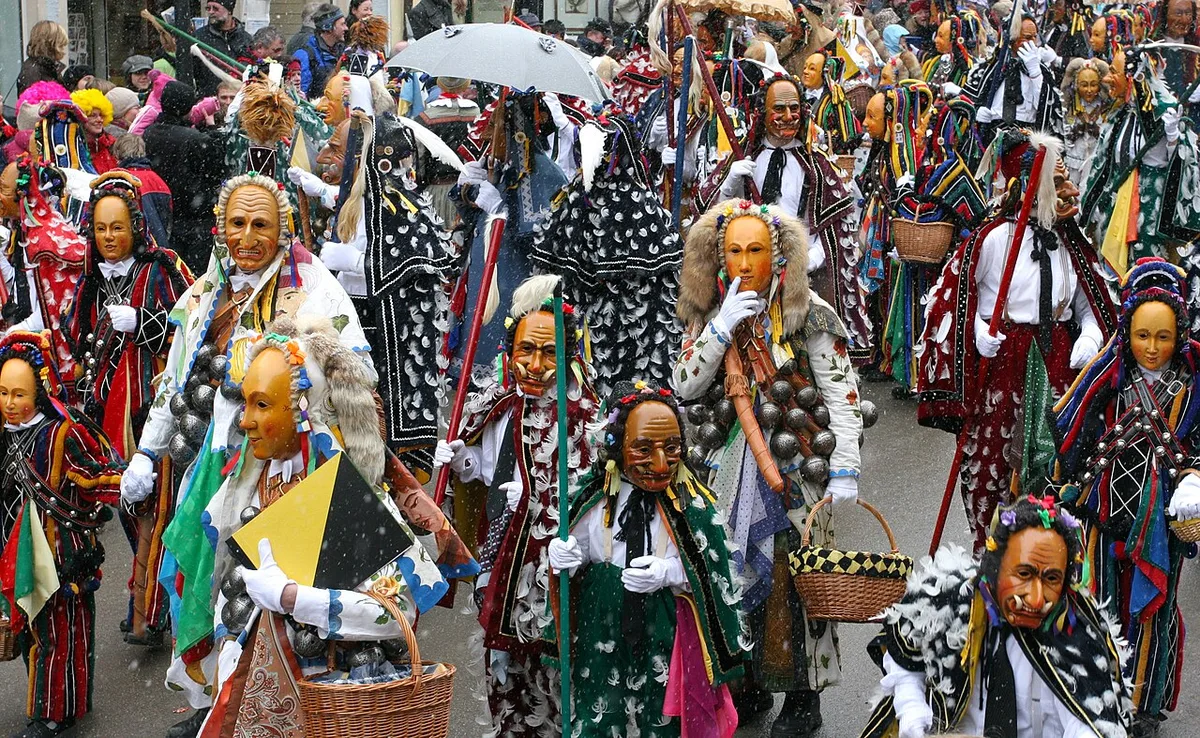
Traditional Swabian-Alemannic masks and associated clothing should not be treated as generic visitor costumes. Guild-owned pieces may identify an organized participant and a defined role. Do not assume that finding a similar mask online makes it appropriate to wear.
Read the Rottweil Fasnet guide before deciding how to participate. Spectators can choose practical, non-imitative clothing and observe local roles without presenting themselves as guild members.
Modern Fancy Dress or Traditional German Carnival Costume?
Modern fancy dress lets you create a temporary character without claiming membership in a regional tradition. Color-based themes, fictional concepts, coordinated everyday clothes, and removable accessories offer flexible choices. They are usually easier to pack and adjust than rigid outfits.
Traditional Carnival clothing can carry an identity beyond decoration. Masks, uniforms, and matched garments may belong to guilds, associations, or ceremonial groups. Treat those items as cultural attire until a reliable local source explains otherwise.
Use a four-part check before wearing anything presented as traditional. Identify the exact region, the represented group, the garment's function, and any participation rule. Stop if a seller or image collection cannot explain those points.
Dirndl and Lederhosen require the same caution. Tracht has regional meanings, but that does not make it a universal Carnival costume. Wear neither as a shortcut to appearing German. Check the destination's official cultural guidance if you are considering regional dress.
A safe visitor outfit does not need to look historically authentic. It needs to fit the event, respect local participants, and remain manageable. When uncertainty remains, use ordinary clothing with a playful accessory instead of reproducing a ceremonial design.
For broader destination research, the German tourism portal can help you identify relevant regional organizations. Confirm costume and security questions with the event organizer itself.
German Carnival Costume Ideas by Traveler Type
Choose an idea by practical constraint rather than gendered retail categories. Fit, warmth, mobility, preparation time, and reuse matter more than whether a shop labels an outfit for men or women.
- First-time visitor: Start with comfortable clothes in a coordinated color scheme. Add one removable accessory that clearly creates a costume without restricting your sight or hearing.
- Limited luggage: Pack a flat accessory, makeup that suits the event rules, or a lightweight outer layer. Use clothing that also serves another part of your trip.
- Tight budget: Rework clothes you already own around a simple theme. Borrow reusable accessories instead of buying a full outfit for one occasion.
- Couple or group: Coordinate through colors, symbols, or one repeated accessory. Avoid large shared props that complicate transportation or separate movement.
- Children: Choose soft pieces with secure fastenings and room for layers. Test walking, sitting, visibility, and bathroom access before leaving your accommodation.
- Plus-size wearer: Use your body measurements rather than a familiar size label. Check garment dimensions, stretch, closure placement, and space for base layers before ordering.
- Mobility concern: Keep fabric clear of wheels, walking aids, and feet. Select hands-free storage and avoid rigid pieces that narrow your turning space.
- Sensory concern: Skip noisy accessories, tight masks, and materials that irritate skin. Carry a plain alternative that can replace the costume quickly.
Buy, Rent, Make, or Use Accessories?
No supplied official source establishes a dependable current market price for costumes or rentals. Check a specific retailer or rental provider for the euro price, deposit, included pieces, delivery date, size availability, and return deadline. Record those terms before paying.
Relative cost offers a better planning comparison than an unsupported average. Clothes you already own generally require the least new spending. Accessories add a small packing burden, while a complete purchase creates storage and reuse questions. Rental can provide an elaborate outfit but adds collection and return obligations.
Online shoppers should allow time for delivery, a complete try-on, and any return. Compare measurements with the seller's size chart. A size name alone cannot confirm room for winter layers or comfortable movement.
| DIY or clothes already owned | Tight budgets and last-minute planning | Lowest | Moderate creative effort | High when built from layers | May appear less elaborate |
| Accessories with ordinary clothing | Travelers packing light | Low | Low | High with removable pieces | Creates a simpler overall look |
| Full purchased costume | Travelers wanting one complete design | Higher | Delivery and try-on time | Depends on fabric and fit | Requires luggage space and later storage |
| Rental | An elaborate one-time outfit | Variable; check the local euro quote | Reservation, fitting, and collection | Depends on available stock | May involve a deposit and strict return deadline |
Make Your Costume Work in Real Conditions
Test the complete costume rather than evaluating each piece separately. Put on the planned base layer, outerwear, shoes, bag, headpiece, and accessories. Spend enough time moving around to reveal pressure points or slipping fasteners.
Check the local forecast shortly before the event. Build a wet-weather or cold-weather alternative without assuming you can buy missing items nearby. A waterproof outer layer can cover the visual design temporarily while preserving comfort.
Masks and headpieces deserve extra scrutiny. Confirm that you can see steps, hear instructions, turn your head, and breathe comfortably. Remove face-obscuring pieces whenever event staff or security guidance requires it.
Keep essentials in a zipped, hands-free bag that fits beneath or close to the costume. Avoid props that strike other people when you turn. Fragile extensions are difficult to manage on transportation and in dense public areas.
Bathroom access is part of costume design. Test every fastening and layered piece without assistance. If changing takes too long, simplify the outfit before the event.
- Wear base layers that fit beneath every closure.
- Choose footwear for the forecast and expected standing.
- Keep identification, payment, and essential items hands-free.
- Test sight and hearing with every mask or headpiece.
- Remove accessories that obstruct walking, sitting, or transportation.
- Confirm that you can use a bathroom without help.
- Pack a simple replacement for wet or uncomfortable pieces.
- Recheck current organizer, venue, and access guidance.
German Carnival Costume Etiquette and Mistakes to Avoid
Respect begins with avoiding assumptions. Customs can differ by city, event, venue, and organized group. Advice for Cologne should not automatically be transferred to Rottweil or another destination.
Do not call commercial fancy dress traditional unless a reliable cultural source establishes that connection. Likewise, avoid copying guild masks, ceremonial garments, or participant uniforms without clear permission and context. Similar appearance is not evidence of an open tradition.
Reject costumes that demean an ethnicity, nationality, religion, disability, gender identity, or other community. Avoid caricatured skin color, sacred symbols used as jokes, and clothing that imitates a marginalized identity. Humor does not remove the effect on people around you.
Realistic weapons, face-obscuring masks, oversized props, and hard accessories may affect security or access. Check the organizer and venue rules before bringing them. Leave an item behind when its status remains unclear.
Photography also requires judgment. Do not touch a traditional participant, mask, or garment for a picture. Ask before arranging a close portrait or entering an organized group's space.
Practical mistakes matter too. Thin fabric, painful shoes, blocked vision, trailing material, and complicated fastenings can end your participation early. Test the outfit under realistic layers and movement before travel.
- Verify before wearing: traditional masks, Tracht, guild clothing, uniforms, realistic weapons, face coverings, and oversized props.
- Avoid presenting a purchased costume as authentic regional attire.
- Do not touch masks, garments, or participants for a photograph.
- Replace restrictive or fragile pieces before entering crowded areas.
- Check current local rules instead of relying on another city's customs.
Quick German Carnival Outfit Decision Checklist
Use this sequence when several options seem workable. Each step removes a common source of discomfort or misunderstanding. Finish the check before buying an outfit or packing a prop.
- 1. Identify the exact city, celebration, venue, and activity you plan to attend.
- 2. Read current official guidance covering costume, security, photography, and access.
- 3. Decide whether your plans are mainly outdoors, indoors, family-focused, or connected to a traditional local event.
- 4. Choose one route: existing clothes, accessories, DIY, a complete purchase, or rental.
- 5. Confirm measurements, layering room, closure access, and any delivery or collection deadline.
- 6. Test footwear, walking, sitting, sight, hearing, bathroom access, and hands-free storage.
- 7. Review the forecast and prepare a wet-weather or cold-weather alternative.
- 8. Remove any mask, uniform, cultural symbol, or prop whose meaning or permission remains uncertain.
Frequently Asked Questions
What should a tourist wear to Carnival in Germany?
Choose comfortable fancy dress that fits the exact event and current weather. Layered ordinary clothes with one removable accessory provide a practical option when local costume traditions are unfamiliar.
Can you wear any costume to German Carnival?
No universal permission applies across every city or venue. Check organizer rules and avoid demeaning designs, realistic weapons, obstructive props, or clothing that copies ceremonial roles.
Are Dirndl or Lederhosen appropriate for Carnival?
Neither item is a universal German Carnival uniform. Research the destination and occasion before wearing Tracht, and do not describe it as authentic Carnival attire without reliable local support.
What is the difference between Karneval, Fasching, and Fastnacht costumes?
Those terms reflect regional naming and context, not three fixed costume categories. Research the specific destination because commercial shops may apply the words more broadly than local cultural organizations.
Can visitors wear traditional German Carnival masks?
Do not assume so. Some traditional masks and related garments belong to guilds or defined participant roles. Ask the relevant local organization before copying or wearing one.
Do you need a costume to attend?
Requirements depend on the activity and venue. Check the host's current guidance. When costumes are optional, ordinary practical clothing with a small accessory offers an easy middle ground.
Should a Carnival costume fit over winter clothing?
Plan around the forecast and time spent outdoors. Try the complete costume over your intended layers, then check closures, movement, visibility, and bathroom access.
Is it better to buy, rent, or make a costume?
DIY suits a tight budget, while accessories help with limited luggage. Purchasing provides a complete look but needs delivery and storage. Rental adds collection, sizing, deposit, and return considerations.