
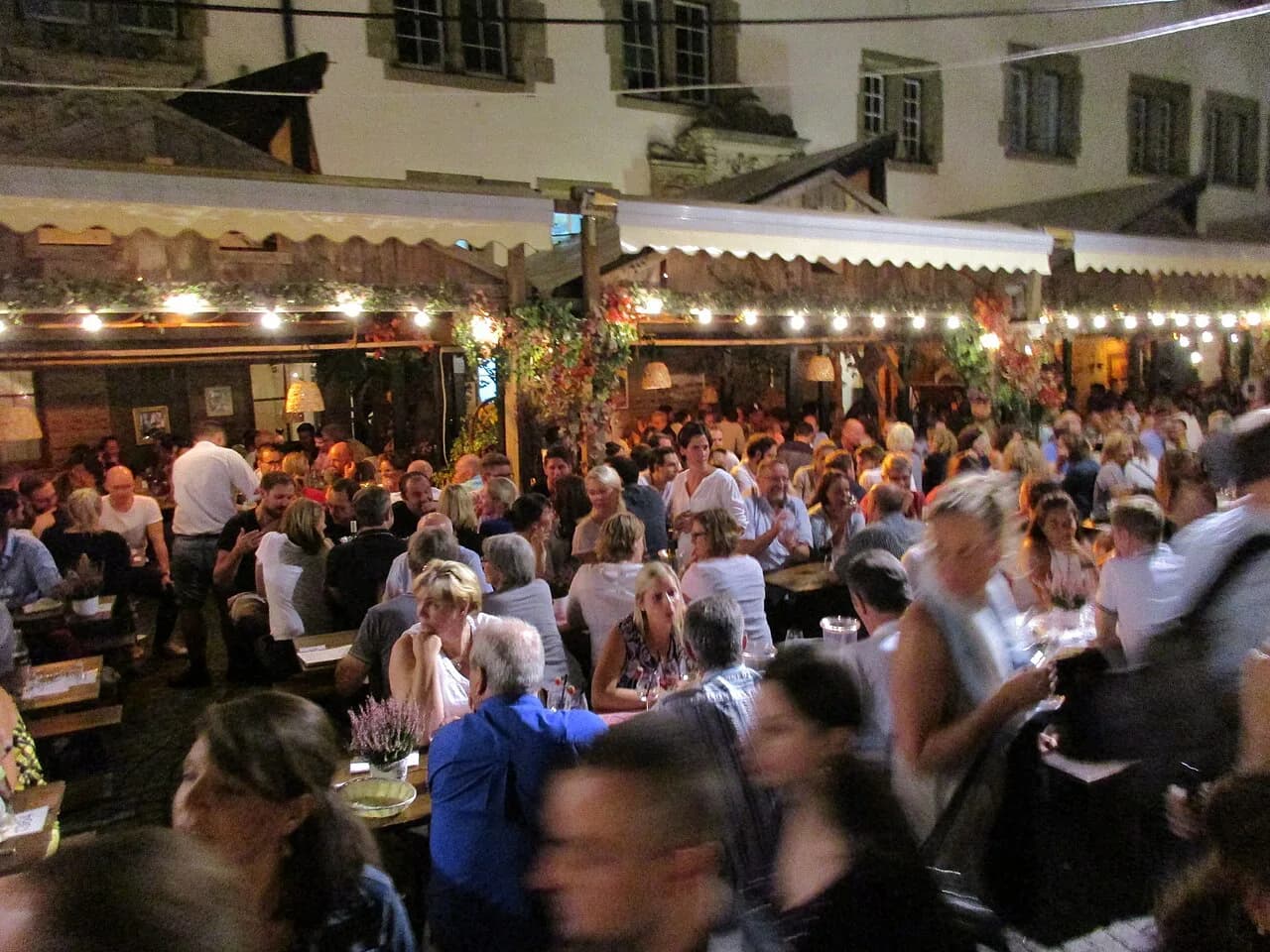
German Wine Festival Guide for First-Timers: Tips, Etiquette & What to Expect
German wine festivals, or Weinfeste, are more than just places to drink; they are community celebrations steeped in regional pride. For first-timers, they offer a relaxed, approachable way to explore Germany's diverse wine culture, from the steep slopes of the Mosel to the sunny hills of Baden. Unlike formal tastings, these festivals are lively, often featuring local food stalls, music, and a convivial atmosphere that welcomes newcomers.
The sheer variety of festivals can be daunting, but understanding the basic formats helps. The Rick Steves travel forum notes that wine festivals occur all summer and into fall in Southern Germany, wherever grapes are grown, and they vary widely in size and style. This guide will walk you through what to expect, how to taste like a pro, and how to choose a festival that matches your comfort level.
Understanding Festival Formats: Weinfest, Weindorf, and Wine Markets
German wine festivals come in several formats, each with a distinct character. A classic Weinfest is typically a village or town celebration centered around wine, often held in a central square with booths from local wineries. A Weindorf, or 'wine village,' is a larger affair that may transform an entire town center into a temporary wine-themed village, with multiple tasting areas and food stalls.
Wine markets, or Weinmärkte, are generally smaller and more intimate, focusing on direct sales from vintners. For a first-timer, the difference matters: a Weinfest in a small town may be easier to navigate, while a large Weindorf like Stuttgart's offers more variety but also more crowds. To understand which format suits your travel style, explore our overview of Trips for German Wine Festivals, which breaks down the options.
How Wine Tasting Works: Tokens, Pours, and Glasses
At most German festivals, you'll purchase tokens or a glass upfront, then use them to sample wines at each booth. The pours are usually smaller than a full glass—think a taste, not a drink—so you can try a variety without getting overwhelmed. The commemorative glass you receive is often yours to keep, as noted in the Salt Lake Magazine guide to wine festivals, which highlights this common practice.
Don't be shy about asking for a taste before committing your tokens. Vintners are usually happy to explain their wines, and you're not obligated to finish a pour you don't enjoy. The Salt Lake Magazine guide advises, 'If you don’t love it, you don’t have to finish it,' a tip that applies perfectly to German festivals. Also, remember to pace yourself: decide in advance how many wines you want to try, and treat the event as a marathon, not a sprint.
Pacing Yourself and Staying Hydrated
With hundreds of wines potentially available, it's easy to overdo it. The Salt Lake Magazine guide suggests setting a realistic number of tastings before you start—for example, 10 to 15 wines—and sticking to it. Alternate wine with water throughout the day, and take breaks to enjoy the food or music. Staying hydrated helps you appreciate the flavors and keeps you comfortable for the long haul.
Eating is crucial: festivals typically offer small bites, but you should plan a proper meal beforehand to buffer the alcohol. The guide underscores this: 'Plan to eat a decent meal before you start sipping.' In Germany, you'll find plenty of hearty options like bratwurst, pretzels, and Käsespätzle, which pair well with the wines and help you last through the afternoon.
What to Wear and Bring
Dress for comfort and weather. Festivals are often outdoors, so layers are smart—mornings can be cool, afternoons warm. Wear comfortable shoes because you'll be standing and walking a lot. Bring a small backpack or bag for your glass, a rain jacket just in case, and sunscreen for sunny days.
Don't forget to bring cash or a card, though tokens might be sold at a central booth. Some festivals may have ATMs, but they can be crowded. Also, consider bringing a notebook or using a wine app to record your impressions, as recommended in the Salt Lake Magazine guide—this helps you remember which wines you loved and might want to buy later.
Food Pairing and Eating Before You Sip
Pairing food with your tastings enhances both the wine and the experience. Many festivals offer small plates from local restaurants, as noted in the Salt Lake Magazine guide, which mentions a variety of gourmet options at the Park City event. In Germany, look for regional specialties that complement the wine, such as Spundekäs with Riesling or Flammkuchen with a dry Silvaner.
Strategic eating helps pace your alcohol consumption and cleanses your palate between tastings. The guide recommends a decent meal before you start sipping, so don't arrive on an empty stomach. With food in your system, you'll be able to taste more distinctly and enjoy the event longer.
Etiquette and Cultural Norms
Toasting is common at German festivals, and it's customary to make eye contact and say 'Prost!' before clinking glasses. If you're at a communal table, it's polite to engage with fellow festival-goers, but it's also fine to just enjoy your wine quietly. When asking for a taste or buying a glass, a simple 'bitte' and 'danke' go a long way.
Tipping isn't standard at festival booths, but rounding up or leaving a small amount is appreciated if you're getting table service. Most importantly, don't hesitate to ask questions. As the Salt Lake Magazine guide states, 'Ask questions. Everyone is about education; they want you to know their wines and love them as much as they do.' Vintners are usually passionate and happy to share their knowledge.
Choosing a Festival: Region, Grapes, and Atmosphere
Germany's wine regions each offer a distinct character. The Mosel is famous for Riesling, while the Palatinate (Pfalz) is known for its mild climate and hearty reds. Consider what you want to taste and the atmosphere you prefer: small villages offer intimacy, while larger cities like Stuttgart host big events like the Stuttgart Weindorf, which is a great choice for first-timers due to its variety and accessibility.
If you're looking for a classic, the Weinfest der Mittelmosel in Bernkastel-Kues is often cited as an excellent introduction. According to Wine Travel Guides, it's held the first weekend of September and is a good fit for first-time visitors, though you should verify current dates before planning. The festival features top Mosel wineries and a festive setting along the river.
Recommended Festivals for First-Timers
Beyond Bernkastel-Kues, consider the Dürkheimer Wurstmarkt, which claims the title of the world's largest wine festival. While it's more crowded, it's also a spectacle worth experiencing at least once. Our guide to the Dürkheim Wurstmarkt offers practical tips for navigating the crowds and making the most of your visit.
The Stuttgart Weindorf is another beginner-friendly option, with hundreds of wines from the region's vineyards and a central location that's easy to reach. Since it happens in late summer, it's a great addition to a city break. For a more comprehensive overview of festival formats and how to pick the right one, refer back to our pillar on German Wine festivals.
Plan Your Visit
Attending a German wine festival is a rewarding way to dive into the country's wine culture, and with the right preparation, it can be an unforgettable experience. Remember to pace yourself, eat well, and don't be afraid to ask questions. Whether you're sipping Riesling on the Mosel or exploring a Weindorf in Stuttgart, the goal is to enjoy the journey, one sip at a time.
Now that you know the basics, you're ready to plan your trip. Check the official festival websites for up-to-date dates and details, as schedules can change. And remember, the best wine festival is the one that leaves you with new favorites and fond memories.
Frequently Asked Questions
What is the dress code for a German wine festival?
There is no strict dress code, but comfort is key. Wear layers to adapt to changing weather, comfortable shoes for walking and standing, and consider a hat and sunscreen for outdoor events. Some people dress smart-casual, but the atmosphere is generally relaxed.
How do I know which wine to try if I'm a beginner?
Start with the region's signature grape—for example, Riesling in the Mosel—and don't be afraid to ask the vintner for recommendations. You can also attend educational sessions or talks at the festival to learn more. Trying a flight of similar wines can help you develop your palate.
Are German wine festivals family-friendly?
Yes, many festivals are family-oriented, with activities for children and a casual, communal atmosphere. However, some events may be more adult-oriented, so check the festival's website for details. It's always a good idea to plan ahead if bringing kids.
What is the best time of year to visit a German wine festival?
Festivals typically run from late spring through early fall, with the peak season in late summer and September. The exact timing varies by region, so verify the specific festival dates before planning your trip. Some festivals, like the Dürkheimer Wurstmarkt, occur in September.