

4 Trips for German Wine Festivals in Bad Duerkheim and Stuttgart
Last updated August 2026. German wine festivals range from large destination celebrations to urban wine villages, but only Duerkheim Sausage Market and Stuttgart Wine Village meet this guide’s verification standard. Choose Bad Duerkheim for a festival-focused Palatinate trip or Stuttgart for an urban Württemberg experience, then confirm the current program with official sources.
German Wine Festivals at a Glance
These two verified festivals represent distinct ways to plan a wine-focused visit. Duerkheim Sausage Market follows a two-weekend structure in September and suits travelers willing to organize the trip around one event. Stuttgart Wine Village runs for twelve days from late August into early September. Its urban format can fit inside a broader city stay. Neither recurrence rule confirms daily hours, admission terms, table policies, or the current program. Review those details before reserving transport or accommodation. Suggested time commitments below are editorial planning frameworks, not organizer requirements. Crowd conditions can also change by day, weather, and scheduled entertainment.
| Festival | Town and region | Verified recurrence rule | Setting | Best fit | Suggested time | Cost status | Transport decision |
|---|---|---|---|---|---|---|---|
| Duerkheim Sausage Market | Bad Duerkheim, Palatinate | Two September weekends: Friday to Tuesday, then Friday to Monday | Large destination festival | Travelers building a trip around one headline event | Full day or overnight in our editorial assessment | Current admission and tasting costs require an official check | Confirm the last practical return connection before tasting |
| Stuttgart Wine Village | Stuttgart, Württemberg | Twelve days from late August into early September | Urban wine-village format | Travelers combining regional wine with a city break | Evening or full day in our editorial assessment | Current seating, reservation, and tasting costs require an official check | Compare the venue with your accommodation and planned return route |
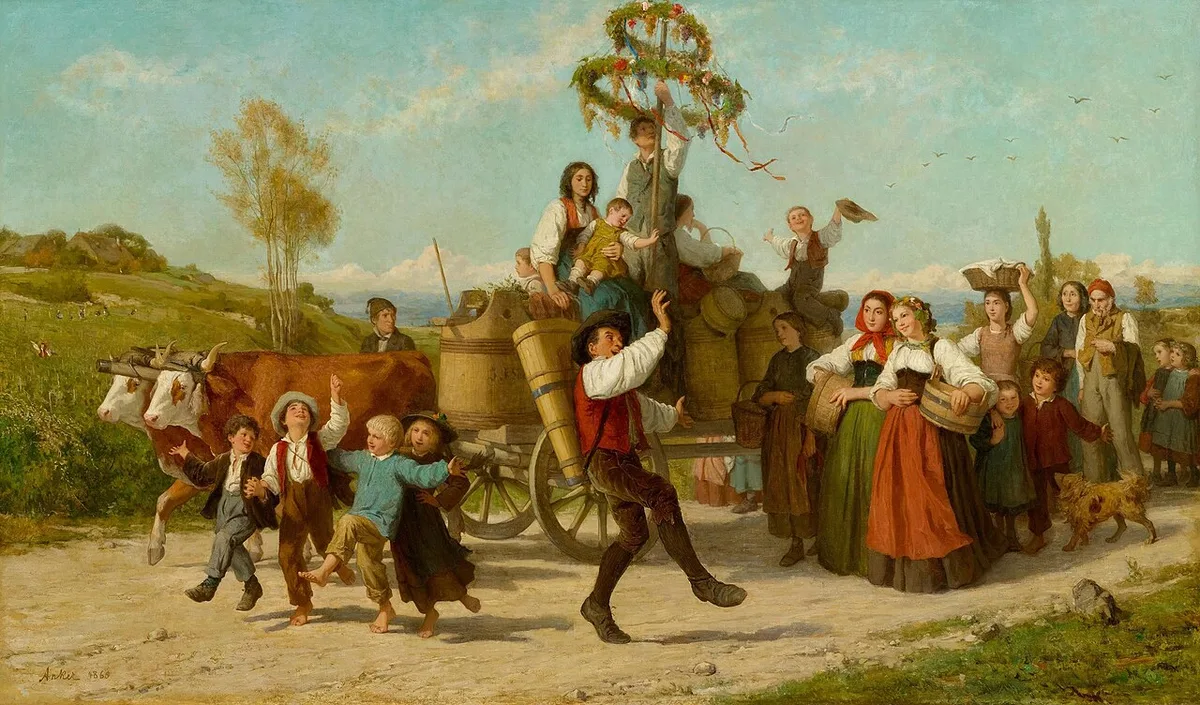
4 Trips for German Wine Festivals by Travel Style
Four practical trip formats let you compare these two verified events without padding the shortlist with unsupported festivals. Pick the format before booking rooms or long-distance transport. That decision determines how much flexibility you retain if the organizer changes a program, opening period, or reservation policy. Each option below uses the supplied recurrence rule rather than an unconfirmed calendar date.
- Bad Duerkheim as a festival-centered overnight
- Choose Duerkheim Sausage Market when a large Palatinate celebration is the main reason for your trip.
- Its fixed rule covers a five-day opening block and a four-day second block across two September weekends.
- Use the Duerkheim Wurstmarkt guide to organize the venue, current program, accommodation, and return journey.
- Bad Duerkheim as a structured day visit
- A day visit works best when you confirm both an arrival plan and a realistic evening departure before drinking.
- Select one tasting goal, allow time for food, and avoid treating every available stand as a checklist.
- Review the official Duerkheim event page for current dates, program details, access notices, and organizer instructions.
- Stuttgart as a wine-focused city break
- Choose Stuttgart Wine Village when you want Württemberg wine within a broader urban itinerary.
- The twelve-day rule offers more scheduling flexibility than a festival divided between two specific weekends.
- Start with the guide to planning Stuttgart Wine Village, then verify current seating, service periods, and venue information.
- Stuttgart as a short urban tasting session
- A shorter visit suits travelers who want a regional introduction without making the festival their entire day.
- Set a tasting limit, choose food before a second pour, and preserve enough time for the confirmed return route.
- Current operating periods and reservation requirements need organizer verification, even though the annual twelve-day recurrence rule is fixed.

Why This List Includes Only Two Verified Festivals
A long calendar can look helpful while mixing old schedules, duplicate listings, and unsupported future dates. FestJourney uses a closed verified inventory instead. Only Duerkheim Sausage Market and Stuttgart Wine Village qualify as wine festivals in the supplied inventory. Other names found on competitor pages are therefore excluded, even when their descriptions sound plausible. This policy protects you from planning around a copied date or an event whose current status remains unclear. It also explains why four trip formats appear instead of four different festivals. Repeating the two verified events through distinct travel plans provides useful choices without presenting unverified celebrations as confirmed. Consult Germany’s official travel portal for wider destination context, but confirm event details with the relevant organizer.
How to Read the Festival Date Rules
Both entries use fixed recurrence rules, yet those rules describe timing rather than a complete operating schedule. Duerkheim Sausage Market occupies two September weekends. Its first block runs Friday through Tuesday, while the second runs Friday through Monday. Stuttgart Wine Village lasts twelve days from late August into early September. Those patterns are safer planning references than dates copied from an older calendar. Still, a recurrence rule does not confirm opening hours, individual sessions, entertainment, transport changes, or table availability. Treat the rule as a trip-planning window. Treat the organizer’s current notice as the final authority. Before paying for a room, compare the published edition dates with your arrival and departure days. Repeat that check shortly before travel because operational details may change after the main dates appear.
Choosing Between a Destination Festival and an Urban Wine Village
Bad Duerkheim favors a festival-centered plan. You travel to the Palatinate town because Duerkheim Sausage Market is the principal activity. That approach works for visitors who want a full day shaped around wine, food, and the published program. An overnight stay can reduce pressure from an early final departure, although accommodation terms still need comparison. Stuttgart offers another model. Stuttgart Wine Village can sit beside other city plans because the event uses an urban format. A shorter tasting session may be easier to place within a multi-day stay. Urban convenience should not be assumed, however. Venue access, evening connections, road restrictions, and walking conditions require current checks. Decide which trade-off matters more. Bad Duerkheim concentrates the trip around the festival, while Stuttgart lets the festival share time with a city itinerary.
Matching the Festival to Your Wine Interests
Regional focus gives the clearest difference between these two choices. Duerkheim Sausage Market provides a route into Palatinate wine, while Stuttgart Wine Village centers the decision on Württemberg. Use the current producer or wine list to identify what will actually be poured. Do not assume every regional variety appears at every stand. Riesling, Silvaner, Spätburgunder, and Grauburgunder belong in a broader discussion of German festival wine, but availability remains vendor-specific. A useful tasting plan starts with one style you recognize and one you want to compare. Ask for the wine’s origin when the stand information does not make it clear. Sweetness, vintage, and serving format can matter as much as grape variety. Water and food should remain part of the schedule. Visitors primarily interested in regional comparison may prefer Stuttgart’s urban model. Travelers seeking a Palatinate-centered occasion may find Bad Duerkheim the stronger fit.
When German Wine Festival Season Requires Extra Planning
The verified schedule concentrates both choices around late summer and early autumn. Stuttgart Wine Village begins in late August and continues into early September under its fixed twelve-day rule. Duerkheim Sausage Market follows across two September weekends. This overlap affects more than the weather. Accommodation demand, evening transport, and restaurant availability may tighten around event days. Exact conditions are not supplied, so compare refundable rooms before committing. Avoid merging dates from separate calendar years into one itinerary. A competitor page may preserve an old edition after the organizer has moved on to the next program. Screenshots and search snippets can also omit later corrections. Record the official date page when booking. Recheck it before the cancellation deadline and again before departure. This three-stage review catches many changes without requiring constant monitoring.
What to Expect at a German Weinfest
Weinfest is a general German term for a wine festival. Weindorf means wine village and often describes a village-style arrangement of stands or hospitality spaces. Weinkerwe is regional wording associated with a wine fair or festival. Names describe local identity, but they do not guarantee one standard layout. Open-air stands, town spaces, winery courtyards, music, processions, and ceremonial wine figures can appear in German wine culture. None should be promised for a specific edition without a current program. Wine queens, wine princesses, brass bands, or Bacchus figures are possible regional traditions rather than universal features. Approach each festival as an organized public event with its own rules. Read signs at individual stands, ask about serving sizes, and return reusable glassware as directed. Plan food, water, and the journey home before the first tasting.
Food Pairings and Regional Choices
Festival food supports a longer tasting session and helps reveal regional preferences. Federweisser with Zwiebelkuchen is a recognized seasonal pairing in German wine-festival coverage. The first component is young, still-fermenting wine, while the second is onion tart. Sausages, pretzels, cheeses, roasts, and Spätzle also appear in broader descriptions of German Weinfests. Franconian coverage sometimes mentions wine jellies, although this guide does not connect them to either verified event. Vendor menus change, so treat these dishes as possibilities rather than promises. Check the current menu if dietary needs influence your choice. Ask about ingredients when labels are unclear. A simple sequence works well for planning. Eat before extended tasting, alternate wine with water, and avoid ordering several unknown pours at once. Regional wine should guide the meal rather than turning the day into a speed-tasting exercise.
August 2026 does not make operating details edition-confirmed: recurring dates still leave hours, table rules, menus, and return connections to verify before the first tasting.
Costs, Admission, Glasses, and Reservations
No supplied official evidence provides a current € admission price, tasting price, glass deposit, or reservation fee for either verified event. Check the official Duerkheim event page for Duerkheim Sausage Market costs. For Stuttgart Wine Village, use the current organizer page referenced through the planning guide. Separate the budget into seven parts. Consider admission, special sessions, individual pours, glass charges, food, local transport, and accommodation. Free entry, if an organizer confirms it, never means free wine. A table reservation may also differ from general access. Special tastings or entertainment can carry separate conditions. Bad Duerkheim’s festival-centered format may shift more of the budget toward an overnight stay and dedicated transport. Stuttgart’s urban format can share accommodation with a wider city break. That does not automatically make it cheaper. Compare the total trip cost rather than a single admission label. Keep a fixed spending limit for pours and food, then retain a separate amount for the return journey.
Where to Stay for Each Festival Format
Accommodation strategy should follow the event format. In Bad Duerkheim, staying in the festival town can simplify the end of a long day. Availability and cancellation terms may become more important across the two September weekends. Search only after confirming which Friday-to-Tuesday or Friday-to-Monday block fits your plans. A room booked for the gap between blocks may not serve the intended visit. Stuttgart offers a broader city-base concept. Select accommodation by its practical connection to the published venue, not by a vague city-center label. Late access, step-free routes, and the final walk deserve separate checks. Compare at least two refundable options before choosing. Record the venue address beside the hotel address. Then test the route for the actual weekday and likely departure period. Never assume the daytime connection remains equally convenient after evening service changes.
Reaching the Festivals Without Driving After Tasting
Public transport can support either trip, but this brief does not supply a verified station, line, operator, frequency, or journey time. Use current official journey planners once the organizer confirms the venue. Start with the door-to-door route rather than the town name alone. Festival entrances, temporary closures, and walking routes can differ from a general destination search. Save one planned outbound connection and two realistic return options. Confirm the final practical departure before ordering wine. A missed connection can turn a day trip into an expensive overnight problem. Bad Duerkheim visitors should test the route for the chosen festival block because weekday and weekend service may differ. Stuttgart visitors should compare the venue with their accommodation, especially after the evening program. Driving after tasting is not an acceptable fallback. Use a designated driver, remain alcohol-free, or arrange a verified alternative before arrival.
Accessibility and Comfort Checks
Accessibility information must come from the current organizer or venue because layouts can change between editions. Ask about step-free approaches, accessible toilets, seating, surface conditions, and temporary barriers. Cobblestones and gradients should never be assumed from general town descriptions. Travelers using mobility aids need the exact entrance and route. Visitors who cannot stand for long periods should confirm whether seating requires a reservation. Weather also changes the value of covered areas, shade, and suitable footwear. Carry water and any essential medication. Keep the return route available offline in case mobile service becomes unreliable. One companion should know the agreed meeting point. These checks support comfort without making unsupported claims about either event’s present facilities.
A Verification Checklist Before Booking
Begin with the recurrence rule, then locate the organizer’s page for the next edition. Match the festival name, town, and venue before using any date. Confirm daily operating periods rather than assuming the event opens continuously. Review admission terms, tasting charges, glass arrangements, and table policies. Next, inspect the current program for music, ceremonies, or special sessions you actually want. Never plan around a parade or similar feature unless the edition schedule lists it. Save the venue address and check the full transport route. Identify the final practical return connection before choosing an evening session. Compare accommodation only after those details align. Revisit the same sources before the refundable booking deadline. Complete one final check shortly before departure. This process distinguishes a fixed annual recurrence from a fully confirmed daily plan.
Mistakes That Can Disrupt a Wine-Festival Trip
Old calendar dates create the most avoidable problem. A recurring September pattern does not validate a copied date from another edition. Duplicate or translated names can also make one event appear to be several different festivals. Admission language causes another common mistake. Never equate open access with complimentary tastings. Program assumptions are equally risky. Music, processions, ceremonies, and special sessions require current confirmation. Accommodation should follow the verified venue, not an unsourced map marker. Evening transport deserves the same attention as arrival. Visitors sometimes plan the outbound journey and leave the return undecided. Food availability can also differ between vendors and days. Dietary requirements therefore need direct checking. Finally, avoid treating every German Weinfest as interchangeable. Bad Duerkheim offers a Palatinate destination format, while Stuttgart provides an urban Württemberg alternative.
Frequently Asked Questions
When do these verified German wine festivals take place?
Stuttgart Wine Village follows a fixed twelve-day rule from late August into early September. Duerkheim Sausage Market runs across two September weekends, first Friday through Tuesday and then Friday through Monday. Confirm the edition’s published dates before booking.
Which festival is better for a first visit?
Choose by trip structure rather than a universal ranking. Stuttgart suits a city break with a shorter wine-focused session. Bad Duerkheim suits a traveler prepared to build a day or overnight stay around one large festival.
What does Weinfest mean?
Weinfest is the general German term for a wine festival. Weindorf means wine village, while Weinkerwe is regional wording for a wine fair or festival. Each organizer determines the actual layout and program.
Are German wine festivals free to enter?
Current official admission terms are not supplied for these two events. Check the relevant organizer before travel. Even when general entry is free, wine, food, glasses, reserved tables, and special sessions may still cost extra.
Do tastings or tables require advance reservations?
Policies can differ by event, day, stand, and special program. Review the current organizer information for seating and tastings. Reserve only through an official channel, and confirm what the booking includes.
Can you reach these festivals without a car?
A car-free trip may be possible, but no verified line, operator, frequency, or journey time is supplied here. Check the exact venue in current official journey planners. Confirm the last practical return before drinking.
What food might appear at a German wine festival?
Broader festival coverage mentions Federweisser with Zwiebelkuchen, sausages, pretzels, cheeses, roasts, and Spätzle. Availability varies by vendor and edition. Check current menus when a particular dish or dietary option matters.
How should you choose between Palatinate and Württemberg wine?
Pick Bad Duerkheim for a Palatinate-centered festival trip. Choose Stuttgart for an urban introduction to Württemberg wine. Review the current producer list because no regional grape or wine style is guaranteed at every stand.
More German Wine Festivals
Verified event facts first, followed by the travel decision layer.