
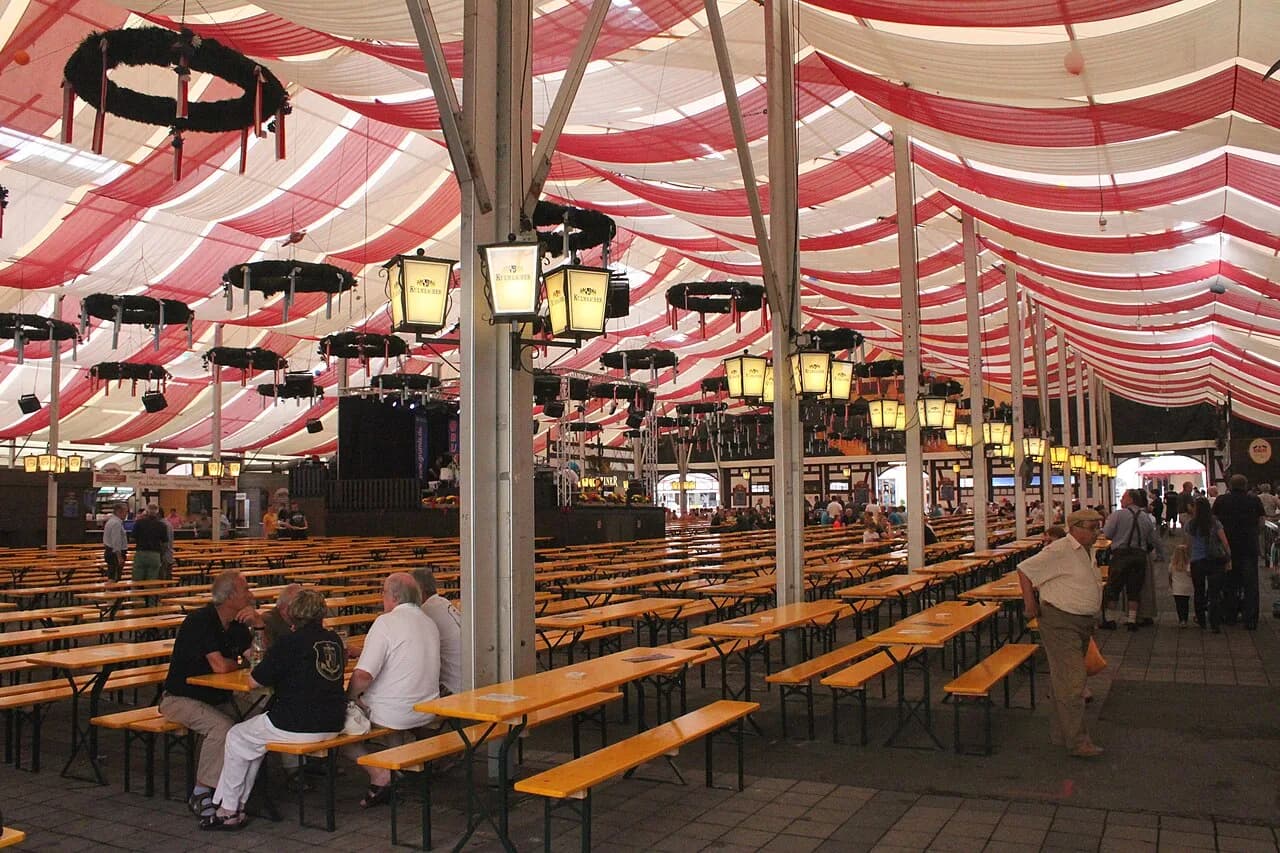
7 Best German Beer Festivals and How to Choose One
Last updated August 2026, this guide compares seven German beer festivals and beer-friendly folk fairs using verified recurrence rules. Oktoberfest remains the benchmark, but Stuttgart, Erlangen, Straubing, Bremen, and Hamburg offer different seasons and planning demands. Use the comparisons below to choose by atmosphere, tent pressure, city access, and overnight practicality.
German Beer Festivals at a Glance
German event lists often combine several formats under one label. Oktoberfest and Cannstatter Volksfest pair large beer tents with extensive fairgrounds. Erlangen Bergkirchweih uses a hill, beer-cellar areas, outdoor seating, and fairground attractions. Gaeubodenvolksfest and Munich Spring Festival are broader Bavarian folk festivals where beer is part of the experience. Bremen Freimarkt and Hamburger DOM are primarily fairs rather than dedicated brewing events. Round-up articles routinely mix these categories, which is why a list of "beer festivals" can put a dedicated brewing event and a general funfair side by side. Treat the planning levels below as editorial comparisons based on recurrence, location, tent reliance, and accommodation pressure.
| Festival | Location | Typical season | Event style | Best for | Planning level | Day trip or overnight? |
|---|---|---|---|---|---|---|
| Oktoberfest | Munich | Mid-September to early October | Large beer-tent Volksfest | First visits and international groups | High | Overnight usually works better |
| Cannstatter Volksfest | Stuttgart | Late September into October | Beer tents, rides, food, and markets | A major autumn alternative | High on popular dates | Overnight helpful |
| Erlangen Bergkirchweih | Erlangen | Pentecost period | Outdoor beer-cellar and fairground event | Regional atmosphere and daytime visits | Medium to high | Overnight favored for evenings |
| Gaeubodenvolksfest | Straubing | August | Bavarian folk festival | A summer festival trip | Medium to high | Overnight favored |
| Munich Spring Festival | Munich | Mid-to-late April | Spring fair on the Theresienwiese | A spring alternative in Munich | Medium | Either can work |
| Bremen Freimarkt | Bremen | Second half of October | Broad funfair with beer and food | Travelers prioritizing rides and city access | Medium | Day trip possible |
| Hamburger DOM | Hamburg | Three seasonal editions | Large recurring funfair | Flexible seasonal planning | Low to medium | Day trip possible |
How to Choose the Right Festival
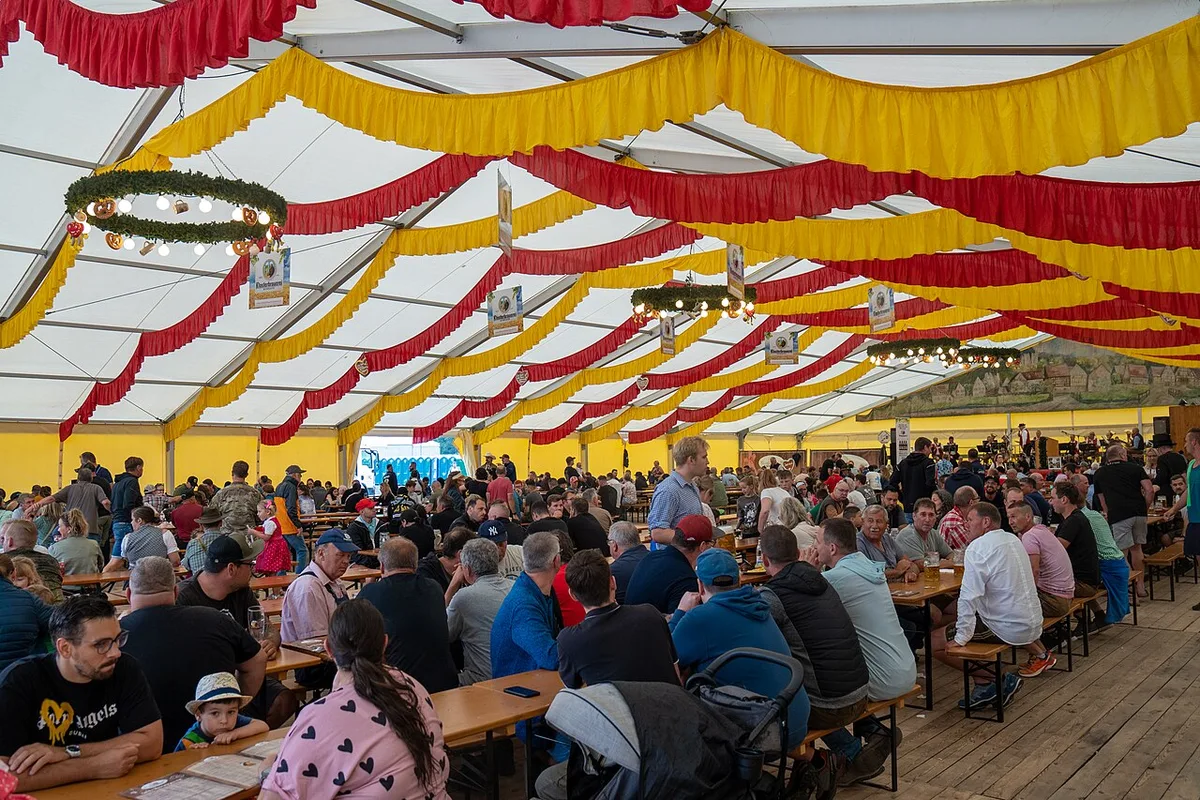
Start by deciding whether beer should be the main event or one part of a wider fair. Choose Oktoberfest, Cannstatter Volksfest, or Erlangen Bergkirchweih when communal beer areas matter most. Consider Gaeubodenvolksfest or Munich Spring Festival when you want beer alongside a broader folk-festival program. Pick Bremen Freimarkt or Hamburger DOM when rides, food stalls, and flexible city sightseeing matter more than brewery depth. Next, compare your tolerance for advance planning. Munich demands the earliest accommodation search and the closest attention to tent rules. Stuttgart also rewards preparation, especially when you want evening seating. Smaller-city festivals can feel less internationally focused, but limited lodging may still create pressure. Daytime sessions usually suit travelers seeking easier conversations and a calmer pace. Evening plans need firmer transport arrangements and a defined meeting point. Families should check current age, access, and venue rules before choosing a session. Dedicated beer travelers should also verify which breweries, beers, and serving formats apply to the next edition. None of the seven choices is universally best. Your strongest match depends on season, event format, crowd tolerance, and the cost of reaching the city.
7 Best German Beer Festivals for Different Trips
These seven choices cover the strongest verified matches in the supplied inventory. Each profile uses the same decision points: traveler fit, recurrence, time commitment, booking pressure, and the principal trade-off.
- 1. Oktoberfest, Munich
- Best for: first-time visitors seeking the best-known German Volksfest format, with beer tents and a large fairground on the Theresienwiese.
- Timing: the fixed rule gives 16 to 18 days from the Saturday after September 15 through the first Sunday in October, with a possible extension.
- Main trade-off: international demand increases tent and accommodation pressure, so allow a full day and use the Oktoberfest planning guide before booking.
- 2. Cannstatter Volksfest, Stuttgart
- Best for: travelers wanting an autumn event that combines substantial beer tents with rides, food, markets, and Stuttgart-based sightseeing.
- Timing: its fixed rule covers 17 days from the Friday after September’s last Saturday into October’s second weekend.
- Main trade-off: popular sessions still require preparation, so allow one full day and consult the Cannstatter Volksfest visitor guide for current logistics.
- 3. Erlangen Bergkirchweih
- Best for: travelers seeking a more regional Franconian setting built around a hill, beer-cellar areas, outdoor seating, and a fairground.
- Timing: this movable event lasts 12 days from the Thursday before Pentecost, so its calendar dates change with Easter.
- Main trade-off: terrain, weather exposure, and late-evening crowds require planning, while an overnight stay removes pressure from your return journey.
- 4. Gaeubodenvolksfest, Straubing
- Best for: visitors who want an August Bavarian folk festival outside Munich and can make Straubing the focus of a short trip.
- Timing: the fixed rule begins on August’s second Friday and continues for 11 days.
- Main trade-off: smaller-city accommodation and onward transport need checking, so reserve lodging before committing to an evening visit.
- 5. Munich Spring Festival
- Best for: travelers visiting Munich in spring who want a fair on the Theresienwiese without organizing an autumn Oktoberfest trip.
- Timing: the fixed rule places it across two to three weeks from mid-to-late April.
- Main trade-off: spring weather affects clothing and outdoor time, while current tent arrangements still need confirmation through the official organizer.
- 6. Bremen Freimarkt
- Best for: travelers who value a broad autumn funfair, food, rides, and urban sightseeing more than a dedicated brewery showcase.
- Timing: its fixed rule provides 17 days during the second half of October.
- Main trade-off: beer is only one element of the fair, so verify the current program before treating it as a beer-focused journey.
- 7. Hamburger DOM
- Best for: visitors who need seasonal flexibility and prefer combining a Hamburg city break with a large recurring fair.
- Timing: the fixed rule creates three editions of roughly 30 days, covering March–April, July–August, and November–December.
- Main trade-off: this is not a dedicated beer festival, so check current food, drink, and event offerings before choosing an edition.
Oktoberfest Versus the Main Alternatives
Oktoberfest offers the strongest international recognition, but that advantage creates its principal planning burden. Stuttgart provides a comparable beer-tent and fairground combination without being interchangeable with Munich. Erlangen places more emphasis on an outdoor, hill-based setting. Straubing suits a summer trip centered on a Bavarian folk festival. Munich Spring Festival keeps you in the same city and venue area during a different season. Crowd and tent labels below are editorial assessments, not official ratings.
| Choice | Beer versus fairground emphasis | Tent pressure | International crowd level | Accommodation concern | Strongest reason to choose it |
|---|---|---|---|---|---|
| Oktoberfest | Both are central | Highest in this comparison | Highest in this comparison | Book early | The benchmark experience |
| Cannstatter Volksfest | Strong beer-tent and fairground mix | High for preferred sessions | International and regional mix | Plan ahead | A major Stuttgart alternative |
| Erlangen Bergkirchweih | Outdoor beer areas with fairground elements | Time-dependent | More regional in editorial comparison | Limited supply can matter | Franconian setting |
| Gaeubodenvolksfest | Broad folk-festival mix | Check current tent arrangements | More regional in editorial comparison | Overnight planning favored | August timing |
| Munich Spring Festival | Spring fair with beer-tent elements | Lower expected pressure than autumn | Mixed city audience | Check event-period rates | Munich during spring |
German Beer Festival Dates Without Stale Calendar Claims
Recurrence rules are more reliable for evergreen planning than copying last year’s dates. Applying Oktoberfest’s fixed rule puts the next edition from September 19 through October 4, 2026. That span is a derived planning date, even though it matches the currently published schedule. Use the official Oktoberfest site as your final check for dates, hours, reservations, and visitor rules. Cannstatter Volksfest follows its own 17-day autumn rule rather than Munich’s calendar. Erlangen Bergkirchweih moves with Pentecost, so a bare date should never be carried into another year. Gaeubodenvolksfest always starts on August’s second Friday under its verified rule. Munich Spring Festival occupies a two-to-three-week period from mid-to-late April. Bremen Freimarkt runs for 17 days in October’s second half. Hamburger DOM offers three roughly 30-day editions each year. Recheck each organizer before buying transport because rules do not establish daily hours, program details, or temporary changes.
Tickets, Reservations, and Tent Pressure
Entry to festival grounds and access to a preferred table are separate questions. Never interpret free or unrestricted ground access as guaranteed seating. Tent operators may use different reservation processes, deposits, packages, or minimum commitments. The supplied evidence does not establish a current universal rule across these seven events. Munich requires special attention because each desired tent and session can have its own arrangements. Review official information before paying a reseller or accepting a package description. Stuttgart visitors should verify current tent booking rules through the event’s official sources. Erlangen’s outdoor format does not remove the need to check access and service arrangements. Straubing also requires current confirmation of tent, entry, and reservation procedures. Bremen and Hamburg are broader fairs, so your planning may revolve more around busy periods than a single beer-table booking. Keep every confirmation accessible offline. Record the date, session, party size, included items, cancellation terms, and named entrance. A reservation should never be assumed transferable unless the issuer says so.
Oktoberfest spans 16 to 18 days, but preferred seating still depends on the individual tent and session. Match accommodation dates to the exact reservation confirmation rather than relying only on the overall festival calendar.
Costs and Budget Decisions
No verified current euro price is supplied for a standard beer, meal, reservation, ride, or hotel across all seven events. Check Munich’s official source for published event costs, then use each other organizer’s official pricing and reservation pages. Compare totals rather than one advertised charge. Oktoberfest can create the greatest overall pressure because lodging and preferred tent access require early decisions. Cannstatter Volksfest can involve similar categories, although your final total depends on Stuttgart lodging and session choices. Smaller-city events may offer a different atmosphere without guaranteeing a cheaper trip. Limited rooms can offset savings elsewhere. Traditional clothing remains optional unless a current official rule states otherwise. Borrowing or skipping it protects more of your budget for transport and lodging.
Both Stuttgart and Bremen run for 17 days, but that shared duration says little about trip cost: Stuttgart has higher session pressure, while Bremen is more workable as a day trip. Compare lodging and transport for the specific dates you want.
| Budget item | What to verify | Why it changes the total |
|---|---|---|
| Ground entry | Current admission rule | Fairground and special-area access may differ |
| Tent or table | Reservation charge and included items | A booking may involve food or drink commitments |
| Food and drinks | Official menus or posted prices | Tent and stall spending accumulates separately |
| Deposits or tokens | Return process and accepted payment | You may need temporary extra funds |
| Rides | Individual attraction prices | Fairground use is separate from food and drink |
| Local transport | Festival-period service and fares | Late travel may require a different plan |
| Intercity transport | Flexible versus fixed bookings | Crowd delays can undermine tight connections |
| Accommodation | Full stay cost and cancellation terms | Event demand may outweigh admission costs |
Day Trip or Overnight Stay?
Judge a day trip by the entire door-to-door journey, not the scheduled intercity segment. Add the local transfer, walking, security checks, crowd delays, and your route back. Avoid naming a specific station, exit, line, or operator until the current event guidance confirms it. An overnight stay becomes more practical when your preferred session ends near the final dependable connection. It also suits smaller cities where missed departures leave fewer alternatives. Munich, Stuttgart, Bremen, and Hamburg support broader city-break planning, but event crowds can still affect movement. Erlangen’s terrain and outdoor layout deserve extra walking time. Straubing works best when you confirm both arrival and return arrangements before booking. One major festival per day is the safest default. Combining Munich and Stuttgart should wait until both event calendars and realistic transfer times are verified.
| Festival | Day-trip verdict | When to stay overnight |
|---|---|---|
| Oktoberfest | Possible with a conservative return plan | For evening sessions or a less rushed visit |
| Cannstatter Volksfest | Possible from a practical base | When tent plans extend into the evening |
| Erlangen Bergkirchweih | Better for a daytime visit | For evening attendance or uncertain connections |
| Gaeubodenvolksfest | Depends on your confirmed route | When Straubing is the trip’s main destination |
| Munich Spring Festival | Practical with verified connections | When combined with more Munich sightseeing |
| Bremen Freimarkt | Suitable for a planned daytime visit | When using the fair as part of a city break |
| Hamburger DOM | Suitable for a planned daytime visit | When combining the fair with Hamburg activities |
Practical Etiquette and Safety
Follow the current rules posted by each organizer, tent, or venue. Arrive with a clear plan for reservations, accepted bags, payments, and re-entry. Keep any deposit token or receipt until the related item is returned. Order food and water during a longer session rather than treating drinking as a challenge. Use public transport instead of driving after consuming alcohol. Groups should select one named meeting point before entering a crowded area. Save accommodation details and return instructions on every traveler’s phone. Daytime visits can be easier for families and guests who prefer lower noise. Evening conditions may become louder and more crowded, especially around popular tents. Parents must verify current age restrictions and family guidance directly. Non-drinkers should confirm available alcohol-free choices instead of assuming every tent has the same menu. Traditional clothing can be worn, but it is not a general admission requirement. Comfortable footwear and weather protection matter at fairgrounds and outdoor sites. Erlangen needs particular attention because its hill-based setting may complicate movement. Never rely on an old blog’s bag limit, deposit, serving rule, or closing time.
Four Planning Mistakes to Avoid
First, do not copy an old calendar date without checking the recurrence category. Pentecost-based Bergkirchweih dates move every year, while fixed-rule festivals require a fresh calculation. Second, never assume a table reservation includes admission, drinks, food, or unrestricted arrival. Read the issuer’s current conditions. Third, avoid planning around the final train without allowing for walking and crowd delays. An earlier departure or overnight stay provides more margin. Fourth, distinguish a beer-led gathering from a fair where beer is secondary. Bremen Freimarkt and Hamburger DOM may suit your trip, but neither should be presented as a dedicated brewing showcase. The German National Tourist Board can support wider destination research, while event-specific decisions still belong with official organizers.
Choosing Among These Seven Festivals
Choose German beer festivals by fit rather than an unsupported national ranking. Oktoberfest suits travelers who accept heavy planning for the benchmark event. Cannstatter Volksfest offers a major autumn alternative in Stuttgart. Erlangen favors an outdoor Franconian format, while Straubing provides an August folk-festival option. Munich Spring Festival moves the decision into April. Bremen Freimarkt and Hamburger DOM work better for travelers prioritizing broad fairs and city breaks. Verify current schedules, booking rules, and transport before committing money.
Frequently Asked Questions
What are the largest beer festivals in Germany?
Oktoberfest is the clearest benchmark among these seven events. Comparable official attendance evidence is not supplied for every festival, so claims about second or third place should be avoided. Compare format and crowd pressure instead of relying on an unsupported ranking.
What are the best alternatives to Munich Oktoberfest?
Cannstatter Volksfest is the closest match for travelers wanting large tents and a substantial fairground. Erlangen Bergkirchweih offers a hill-based outdoor format. Gaeubodenvolksfest suits an August trip focused on Straubing and Bavarian folk-festival culture.
Do German beer festivals require tickets or table reservations?
Rules differ by event, tent, and session. Ground access does not guarantee a table or service. Check the official organizer and chosen tent for current entry, reservation, deposit, arrival, and cancellation requirements.
When are most German beer festivals held?
The seven choices span spring through winter. Munich Spring Festival occupies mid-to-late April, while Bergkirchweih follows Pentecost. Straubing occurs in August, major autumn events follow, and Hamburger DOM supplies three seasonal windows.
Which festival works best for a first visit?
Oktoberfest provides the most recognizable introduction if you accept stronger booking and crowd pressure. Cannstatter Volksfest suits a Stuttgart-based alternative. A daytime Bergkirchweih visit may appeal when regional atmosphere matters more than international recognition.
Can you visit a German beer festival as a day trip?
Yes, when the full return route leaves enough margin for walking and crowd delays. Daytime visits are usually easier to manage. Stay overnight when evening plans depend on a late connection or limited smaller-city transport.
How much should you budget for a beer festival trip?
Build separate allowances for lodging, intercity travel, local transport, food, drinks, reservations, deposits, and rides. Current verified prices are not supplied across all seven festivals. Use official event pages and cancellable accommodation options before fixing your total.
Are German beer festivals suitable for families and non-drinkers?
Broader folk fairs can offer more than beer, especially during daytime visits. Suitability still depends on the current program, age rules, noise, and crowd conditions. Confirm alcohol-free choices and family guidance with the organizer before attending.
More German Beer Festivals
Verified event facts first, followed by the travel decision layer.