

What to Wear to Oktoberfest in Munich
Last updated August 2026. When deciding what to wear to Oktoberfest, choose respectful Bavarian Tracht or comfortable everyday clothing; neither is mandatory. Munich visitor guidance confirms that normal clothes are welcome, so prioritize fit, broken-in shoes, removable layers, and a secure small bag.
What to Wear to Oktoberfest: The Quick Answer
Your safest default is an outfit that handles walking, standing, sitting, crowded tents, and outdoor areas. Traditional Bavarian clothing is optional, not a condition of entry. Wear Tracht if you value the experience and can secure a comfortable fit. Otherwise, smart everyday clothing is a practical and respectful choice. Build either option around these 6 essentials.
The smallest-bag advice has a concrete ceiling: current guidance caps bags at 3 liters, while the festival-morning checklist calls for another prohibited-item check. Pack for both size and contents, keeping only securely closed essentials and leaving unnecessary valuables behind.
- Wear well-fitting Tracht or familiar everyday clothing that allows unrestricted movement.
- Choose closed-toe shoes with stable soles and a broken-in fit.
- Carry one removable cardigan, sweater, or light outer layer.
- Use the smallest bag that complies with current official security rules.
- Keep your phone, identification, payment method, and keys behind a secure closure.
- Reject untested shoes, restrictive waistbands, and accessories that already feel uncomfortable.
Choose Your Oktoberfest Outfit
Start with how many days you will attend, how much preparation you accept, and whether you will reuse the clothing. A one-day visitor may gain little from a rushed purchase. Borrowing or renting provides another route, but fitting and collection terms require advance checking. Buying makes more sense when you expect repeat use. No authoritative clothing prices were supplied for this guide, so check each seller or rental provider for the current euro price, deposit, included pieces, and return terms.
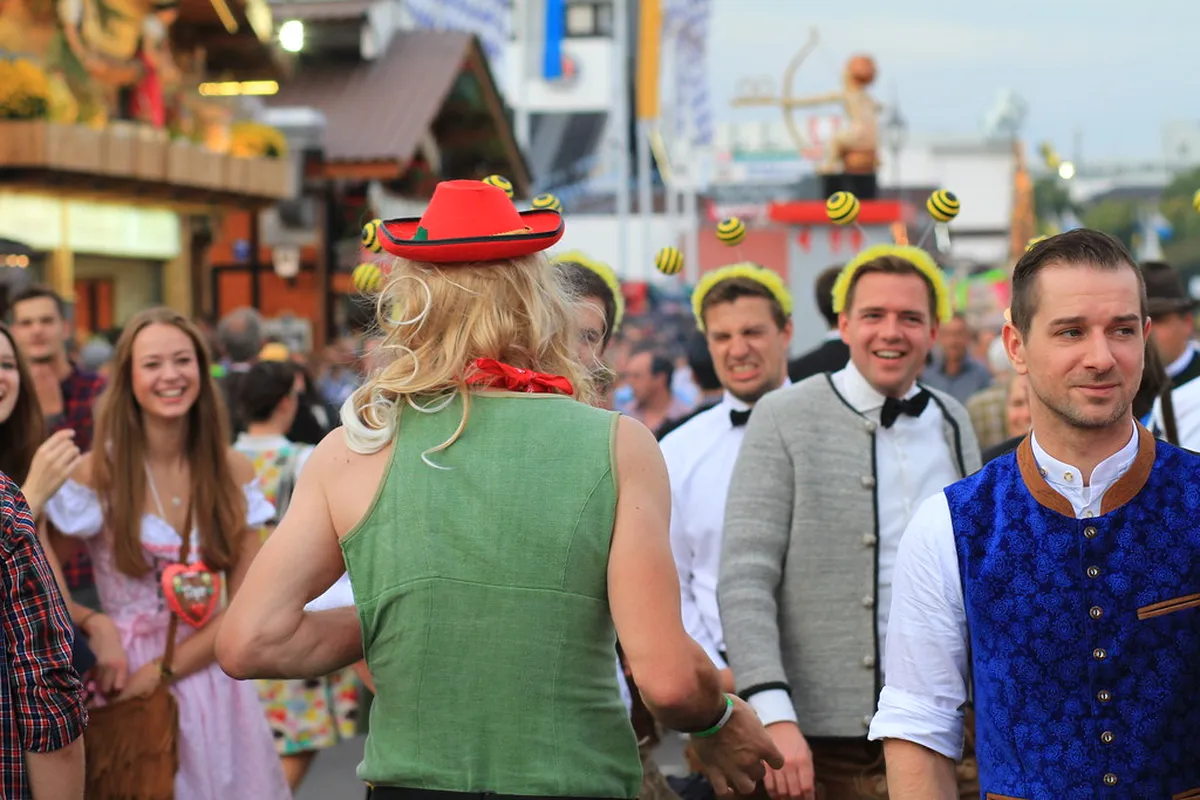
| Option | Best for | Upfront cost | Preparation time | Comfort considerations | Reuse potential |
|---|---|---|---|---|---|
| Clothes already owned | One-day visitors and minimalists | Lowest additional spend | Minimal | Test shoes, layers, and sitting comfort | High |
| Borrowed or rented Tracht | Visitors wanting traditional attire without ownership | Check the fee, deposit, and included pieces | Allow time for fitting and collection | Wear the complete outfit before the festival | Low ownership commitment |
| Purchased Tracht | Repeat visitors or people valuing long-term use | Highest commitment | Allow time for sizing, returns, or alterations | Fit and care requirements matter | Highest when genuinely reusable |
| Bavarian-inspired separates | Visitors balancing participation and flexibility | Variable | Moderate | Familiar pieces are easier to layer | High |
Traditional Oktoberfest Clothing and Fit Checklist
The relevant regional clothing is Bavarian Tracht, not a generic German fancy-dress outfit. A dirndl normally combines a dress or bodice-and-skirt structure with a blouse and apron. Lederhosen are leather breeches, while Bundhosen provide a longer variation around or below the knee. Pick garments by preference rather than gender. Styles and lengths vary, so function matters more than following a rigid template.
- Dirndl essentials: a dress or bodice-and-skirt structure, blouse, apron, and suitable shoes.
- Dirndl practical layer: add a cardigan, knit layer, or light jacket that works over the bodice.
- Dirndl fit: the bodice should feel secure without limiting breathing, reaching, or normal movement.
- Dirndl movement test: walk, sit, climb stairs, and bend while wearing the complete outfit.
- Dirndl final test: use the intended undergarments, apron, layer, bag, socks, and shoes together.
- Lederhosen essentials: leather breeches or Bundhosen, a comfortable shirt, socks, and sturdy shoes.
- Lederhosen practical pieces: use suspenders when supplied, then add a waistcoat, cardigan, or jacket if useful.
- Lederhosen fit: sit for several minutes and confirm that the waistband does not dig or restrict movement.
- Suspender check: adjust both straps so they support the garment without pulling, slipping, or chafing.
- Footwear check: test the socks and shoes together before wearing new leather clothing for a full festival day.
Dirndl Blouses, Aprons, and Lederhosen Details
Treat the blouse and apron as integral parts of a complete dirndl combination. Confirm that both are included before buying a photographed set. Skirt length should support easy walking and comfortable sitting rather than match an age or body rule. Apron-bow placement is sometimes described as signaling relationship status, but it is not an entry requirement. Interpretations can vary, so never infer or challenge another person's status from a bow.
- Check that the blouse remains comfortable under the fitted bodice for several hours.
- Tie the apron securely enough to stay positioned without tightening the waist excessively.
- Inspect buttons, hooks, zippers, apron ties, and suspender attachments before travel.
- Avoid assuming that checkered shirts, feathered hats, or decorative socks are mandatory.
- Use one optional styling piece only when it remains comfortable in a dense crowd.
What to Wear Instead of a Dirndl or Lederhosen
Ordinary clothing will not make your visit invalid or disrespectful. Familiar trousers, shirts, skirts, dresses, and knitwear can outperform poorly fitted Tracht during a long day. Age, gender, body shape, and dress preference do not require a particular garment. Keep the outfit clean, comfortable, weather-ready, and free from parody. Subtle Bavarian-inspired separates can add context without pretending that novelty clothing is authentic Tracht.
- Pair jeans or trousers with a shirt, blouse, sweater, or cardigan.
- Combine a comfortable skirt with a blouse and removable knit layer.
- Wear a familiar dress that permits easy walking, sitting, and temperature control.
- Choose lederhosen, Bundhosen, or inspired separates if you prefer trousers to a dress.
- Build a gender-neutral outfit from trousers, a shirt, knitwear, and sturdy shoes.
- Use ordinary clothing you already trust when a rental or purchase cannot be fitted properly.
Is Traditional Attire Worth It for One Day or Several?
Value depends on reuse, luggage space, cleaning, and preparation time. One festival day rarely justifies accepting a poor fit or rushed online order. Several days make comfort and clothing rotation more important. Leather, dedicated shoes, and layered outfits can also occupy substantial luggage space. Familiar clothing remains the stronger choice when Tracht would create financial pressure or fitting uncertainty.
| Decision | One festival day | Several festival days |
|---|---|---|
| Buying | Consider only if the clothing has value beyond this visit | More defensible when you expect repeat wear |
| Borrowing or renting | Useful when fitting and return timing are manageable | Confirm the rental period, cleaning terms, and outfit rotation |
| Comfort | One tested outfit may be enough | Plan spare shirts, blouses, socks, or everyday alternatives |
| Luggage | Avoid packing bulky pieces used once | Balance additional outfits against available bag space |
Shoes, Socks, Bags, and Accessories
Footwear should survive prolonged walking, standing, and crowded indoor conditions. Traditional shoes may complete Tracht, but familiar walking shoes can reduce discomfort. Closed toes and stable soles are sensible editorial recommendations, not claimed entry rules. Current official Oktoberfest guidance caps bags at 3 liters and approximately 8 by 6 by 4 inches. Large bags are generally prohibited, and small bags may still be inspected. Confirm the rules again shortly before leaving.

- Break in shoes during several ordinary outings rather than debuting them at the festival.
- Use socks or tights that add warmth and reduce friction at known pressure points.
- Select a small crossbody or similar bag with a zipper or another secure closure.
- Carry only identification, a payment method, phone, keys, and permitted comfort essentials.
- Pack blister care and a hair tie only when both comply with the latest rules.
- Treat hats, jewelry, floral accessories, waistcoats, and decorative pins as optional.
- Leave oversized props, fragile accessories, exposed footwear, and unstable heels behind.
Dress for Munich Weather and Festival Conditions
Oktoberfest follows a fixed rule, opening on the Saturday after September 15 and lasting 16 to 18 days. It closes on the first Sunday in October, with an extension rule involving October 3. That September timing can bring different conditions across one visit, so avoid relying on a fixed temperature range. Check an authoritative Munich forecast close to departure and use a 3-part layering plan.
- Warm afternoon: begin with a breathable base that remains comfortable indoors.
- Cool evening: add a cardigan, sweater, or light jacket.
- Rain risk: choose weather-appropriate outerwear, socks, and shoes with dependable grip.
- Crowded tent: wear layers that are easy to remove and carry.
- Outdoor waiting: keep one warmer backup layer available without overfilling your bag.
How to Check an Oktoberfest Outfit Online
Online photographs rarely answer the questions that determine comfort. Review garment measurements instead of trusting only a generic size label. Leave enough time for one exchange or alteration cycle before travel. Marketplace choice alone does not determine respectfulness or quality. Judge the garment by its fit, construction, included pieces, return conditions, and marketing language.
An online outfit has to work across a festival that can extend under the October 3 rule, not just match the seller’s photos. Before the return window closes, test the full combination with removable layers, socks, shoes, and the packed bag.
- Are the pictured blouse, apron, suspenders, socks, or accessories actually included?
- Does the seller provide garment measurements for each available size?
- Is the material composition stated for every main component?
- Will the return window remain open throughout your travel timeline?
- Do customer photographs clarify the garment's actual fit and length?
- Is there enough time for an exchange, adjustment, or professional alteration?
- Is the item presented as Tracht or apparel instead of a joke or sexualized costume?
Oktoberfest Outfit Mistakes to Avoid
Most outfit problems come from fit, footwear, weather, security rules, or novelty styling. Price alone does not determine whether clothing is respectful. An inexpensive, well-fitted outfit can be more suitable than an expensive but restrictive one. Focus on construction and function instead of buying solely for photographs.
- Do not present sexualized beer-server fancy dress as authentic Bavarian Tracht.
- Skip mock-military, political, stereotype-based, or unrelated regional clothing.
- Reject garments that restrict breathing, walking, sitting, reaching, or eating.
- Avoid new shoes, unstable heels, and exposed feet in crowded conditions.
- Never assume that an oversized bag or prop will pass current security checks.
- Remove clothing or accessories carrying offensive slogans or imagery.
- Do not buy a photographed set before confirming measurements, included pieces, and returns.
Before-Trip, Night-Before, and Festival-Morning Checklist
Use 3 checkpoints so outfit problems appear before you reach the entrance. Test every component together rather than approving pieces separately. A complete rehearsal should include sitting, walking, stairs, outerwear, shoes, and the packed bag. Comfort should win whenever an accessory starts pulling, rubbing, or slipping.
- Before the trip: choose owned clothing, borrowed Tracht, a rental, a purchase, or mixed separates.
- Before the trip: confirm delivery, fitting, alteration, collection, return, and cleaning arrangements.
- Before the trip: wear the complete outfit and break in the intended shoes.
- Before the trip: review current bag rules and check the Munich forecast.
- Night before: lay out every garment, sock, shoe, and removable layer.
- Night before: inspect buttons, hooks, zippers, apron ties, and suspenders.
- Night before: pack the smallest compliant bag with secure essentials.
- Night before: charge your phone and save necessary booking information.
- Festival morning: recheck the forecast and official prohibited-item guidance.
- Festival morning: sit, walk, bend, and use stairs while fully dressed.
- Festival morning: remove unnecessary valuables and troublesome accessories.
- Festival morning: allow for walking and crowded public transportation.
Complete Your Munich Oktoberfest Clothing Plan
Finalize the outfit only after matching it to your wider day. Review the Munich Oktoberfest guide before packing. A long session in one of the festival tents favors stable shoes and removable layers. Test waistband and sitting comfort before exploring traditional festival food. Your final decision should support 4 things: movement, changing conditions, secure storage, and respectful styling.
- Wear Tracht only when the complete outfit fits and functions well.
- Choose everyday clothing without apology when it serves you better.
- Keep shoes familiar, closed-toe, stable, and weather-ready.
- Carry one removable layer and the smallest compliant secure bag.
- Leave novelty styling, fragile accessories, and unnecessary valuables behind.
How to Tie a Dirndl Apron Bow
Apron-bow placement is a traditional detail, not an Oktoberfest rule. It should never be used to make assumptions about another visitor. The most common convention places a bow on the wearer’s left to indicate that they are single. A bow on the wearer’s right traditionally indicates a partner or marriage.
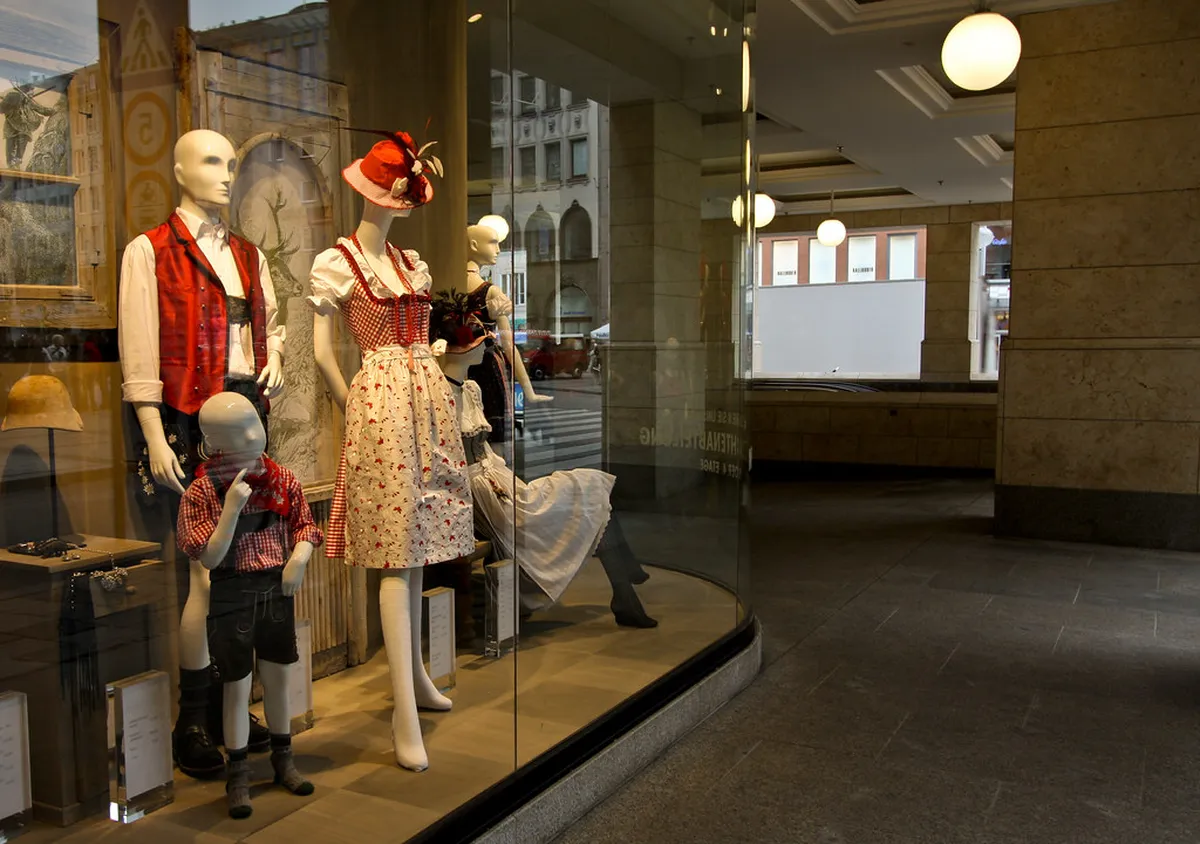
A bow tied at the center front is often associated with being unmarried or a virgin. A bow tied at the back has historically been linked with widowhood. Meanings can vary by region, generation, and personal preference. Some people simply tie the apron where it sits comfortably.
- Tie the bow securely enough to stay in place while walking and sitting.
- Keep the apron comfortable over the bodice rather than pulling it tightly.
- Do not treat bow placement as an invitation, a status check, or a conversation starter.
If the convention feels unimportant, choose a neat, comfortable placement and focus on enjoying the festival.
Frequently Asked Questions
Is there an Oktoberfest dress code?
Traditional Bavarian clothing is not mandatory for visitors. Clothing still needs to respect current security requirements and ordinary standards for safe entry.
Do you have to wear a dirndl or lederhosen?
No, both are optional forms of Bavarian Tracht. Wear either only when the garment fits comfortably and suits your preferences.
Is it acceptable to wear normal clothes?
Yes, familiar everyday clothing is a practical option. Trousers, shirts, blouses, skirts, dresses, knitwear, and sturdy shoes can form a complete outfit.
Will tourists look silly in traditional attire?
No source can guarantee how every person will react. Respectful, well-fitting clothing avoids the parody cues associated with novelty fancy dress.
Can women wear lederhosen?
Anyone can choose lederhosen or Bundhosen according to fit and preference. Gender does not require a dirndl, dress, or particular garment length.
What can you wear if you dislike dresses?
Try trousers with a shirt and cardigan, or wear properly fitted lederhosen or Bundhosen. Gender-neutral separates and sturdy footwear also work well.
Are you too old to wear a dirndl?
Age does not determine whether a dirndl is appropriate. Select a length, structure, and blouse that support your comfort and preferred coverage.
Is wearing Bavarian attire cultural appropriation?
Views on cultural participation can differ, so avoid claiming universal local approval. Treat Tracht as regional clothing, avoid parody, and do not reduce Bavarian identity to stereotypes.
Can you wear sneakers to Oktoberfest?
Broken-in, closed-toe sneakers with stable soles are a practical choice. Comfort and grip matter more than completing a traditional look with unfamiliar shoes.
What should you wear in cold or rainy weather?
Use a breathable base, removable knit layer, weather-appropriate outerwear, and shoes with dependable grip. Recheck the Munich forecast before leaving.
Do you need a different outfit for each festival day?
One outfit may be enough when its care requirements allow repeated wear. Multiple days make spare shirts, blouses, socks, and an everyday backup more useful.
Can you wear a dirndl or lederhosen elsewhere in Munich?
Tracht is clothing rather than an admission-only uniform. Consider comfort and check any separate restaurant, concert, or private venue requirements before continuing elsewhere.